

A building can look extraordinary in photographs and still fail the place it stands in. It may overheat by noon, depending on heavy mechanical cooling, or ignore the rhythms of wind, shade, rain, and terrain that define daily life. That tension sits at the heart of the question: What is sustainable architecture? At its best, it is not a style or a marketing label. It is an approach to design that creates beauty, comfort, and longevity by working with climate, landscape, materials, and human experience rather than against them.
For clients shaping a private home, a retreat, or a hospitality destination, this distinction matters. Sustainable architecture is often reduced to visible gadgets – solar panels, green roofs, high-performance glass, certification checklists. Those elements can play a role, but they are not the foundation. The deeper work begins much earlier, with how a building meets the site, how it captures daylight, how it breathes, and how it minimizes unnecessary demand before technology is added.
What Is Sustainable Architecture in Practice?

Sustainable architecture is the design of buildings that reduce environmental impact while improving the quality of life for the people who use them. That sounds straightforward, but in practice it requires a layered response. A truly sustainable building considers energy use, material selection, water management, ecological impact, durability, and the sensory experience of space.
The most successful examples do not feel technical. They feel calm, intuitive, and deeply suited to their setting. A house that opens to prevailing breezes, filters harsh sun through generous overhangs, and uses local materials with clarity will often perform better than a sealed glass box filled with complex systems. The goal is not to add sustainability after the design is complete. The goal is to let sustainability shape the architecture from the first sketch.
This is where the conversation moves beyond efficiency. Sustainable architecture also asks cultural and emotional questions. Does the building belong to its landscape? Does it support local craftsmanship? Does it age with dignity? Can it remain useful and desirable for decades rather than requiring early renovation or replacement? These are environmental questions as much as aesthetic ones.
The Core Principles Behind Sustainable Architecture
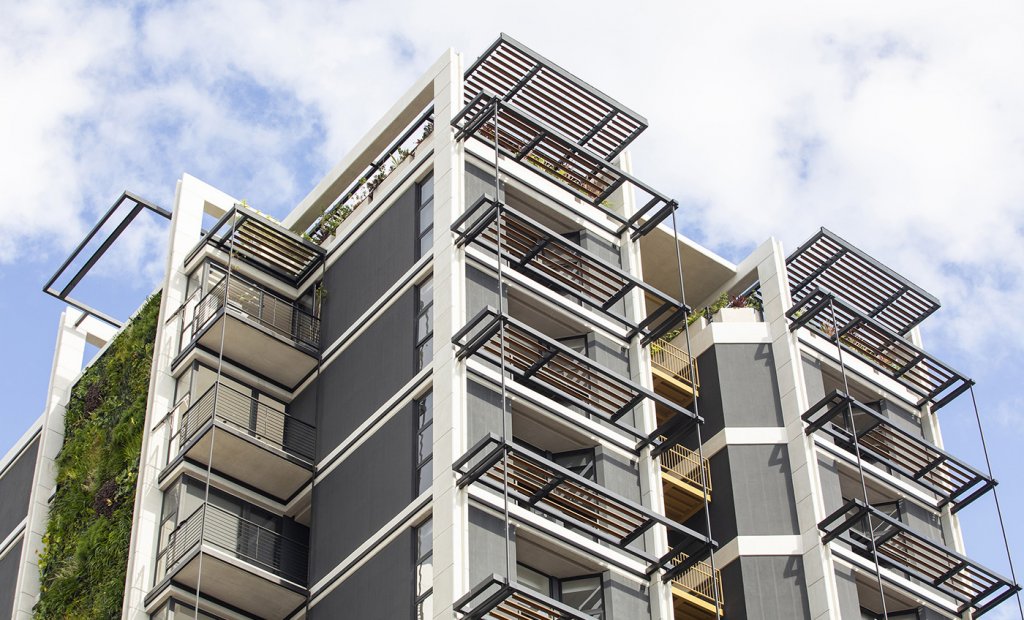
A sustainable building begins with climate responsiveness. In tropical regions, for example, architecture should address solar exposure, humidity, rainfall, and cross-ventilation as primary design drivers. Orientation matters. Shade matters. Roof design matters. Openings, thermal mass, and indoor-outdoor transitions matter. When these fundamentals are resolved elegantly, the architecture becomes more comfortable with less energy.
Material strategy is equally important. Sustainable architecture favors materials that are durable, responsibly sourced, and appropriate to the setting. Local sourcing can reduce transport impacts while strengthening the connection between building and place. It can also support regional knowledge and construction traditions. That said, local is not automatically better in every case. A poorly made local material with a short lifespan may be less sustainable than a longer-lasting product sourced from farther away. Good design weighs these trade-offs carefully.
Water is another essential layer, especially in landscapes shaped by seasonal extremes. Sustainable architecture addresses rainwater harvesting, drainage, stormwater flow, water-efficient fixtures, and the relationship between built form and surrounding ecology. On a steep or sensitive site, the right approach can reduce erosion and protect existing vegetation. On a hospitality project, it can also shape the guest experience, turning water management into part of the architecture rather than a hidden afterthought.
Then there is longevity. Buildings consume enormous resources to construct, so one of the most sustainable decisions is to create architecture with lasting value. This means structural clarity, timeless proportion, and materials that weather well. It also means designing for maintenance, repair, and adaptation. A building that is loved and cared for over generations is often far more sustainable than one that performs well on paper but becomes obsolete quickly.
Why Sustainable Architecture Is Not Just About Technology
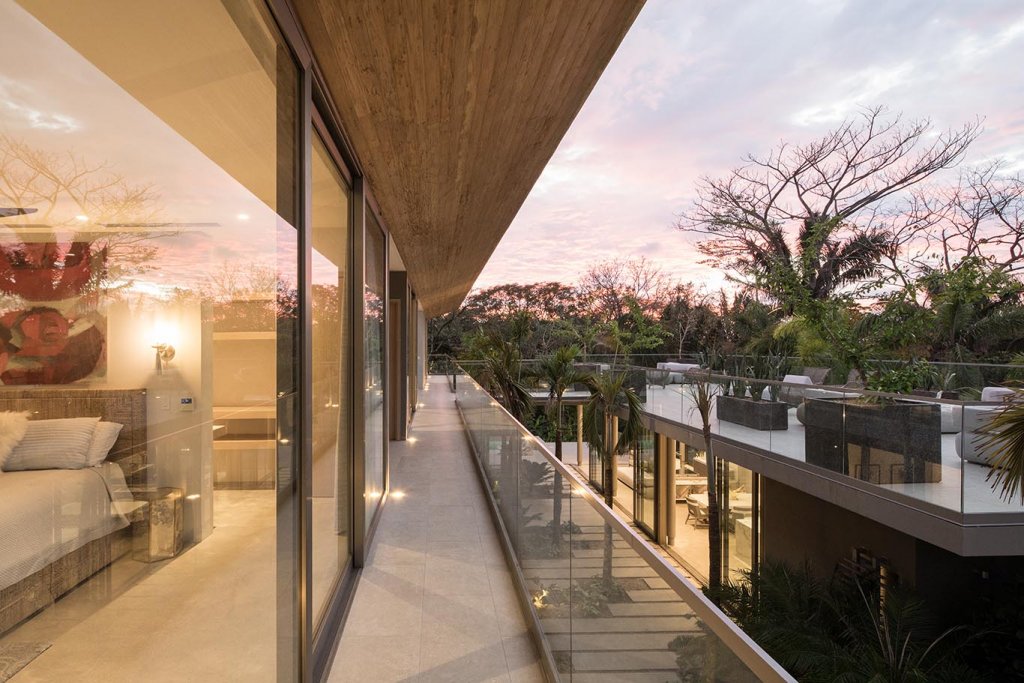
There is a persistent assumption that sustainable design depends on advanced systems and expensive equipment. In reality, some of the most intelligent solutions are low-tech. Deep roof overhangs, operable facades, shaded courtyards, screened transitions, natural ventilation, and thoughtful orientation can dramatically reduce energy demand without making a building feel overengineered.
This does not mean technology has no place. High-efficiency systems, renewable energy, smart controls, and water treatment solutions can all improve performance. But they work best when they support a strong passive design strategy rather than compensate for a weak one. If a building ignores the climate and then relies on machinery to fix the discomfort it creates, that is not sustainable architecture. It is correction by equipment.
For discerning clients, this distinction is especially relevant. A home or resort should feel effortless. The architecture should create comfort through proportion, shade, airflow, and materiality, not only through hidden mechanical force. There is a quiet luxury in spaces that respond naturally to their environment.
What Sustainable Architecture Looks Like Across Different Projects
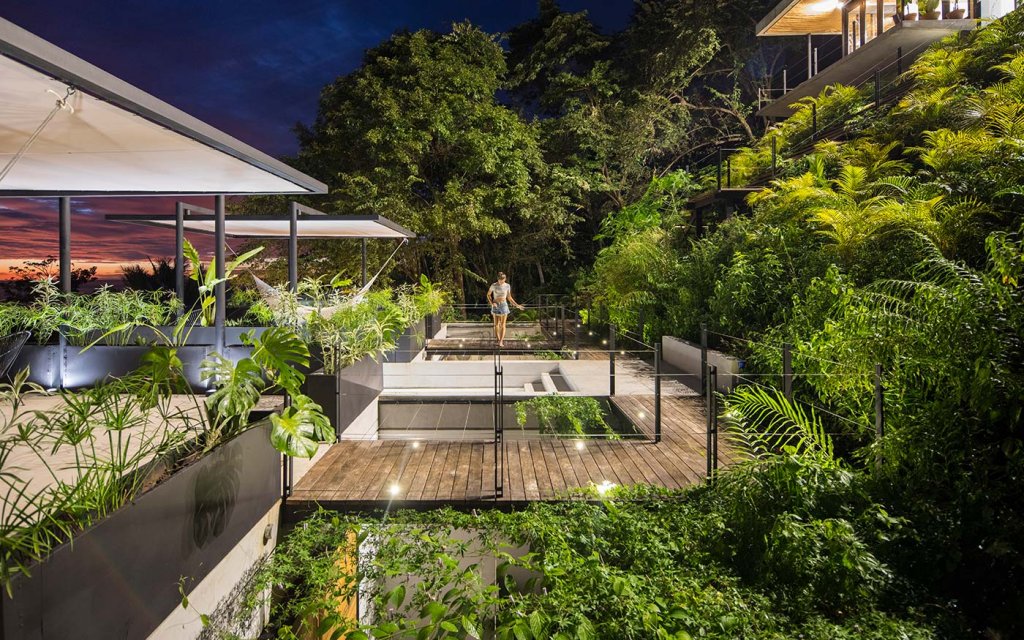
The principles remain consistent, but their expression changes with the brief. In a private residence, sustainable architecture may center on passive cooling, privacy, natural light, and a strong connection between interior life and the landscape. The result is often a home that feels open and restorative while using fewer resources over time.
In boutique hospitality, the stakes are slightly different. Guests expect comfort, atmosphere, and memorability, yet the project may sit in a fragile ecological setting. Here, sustainable architecture becomes a balancing act between immersion and restraint. Buildings should frame the landscape rather than dominate it. They should offer a sense of escape while reducing energy and water demand, preserving vegetation, and supporting durable operations in a demanding climate.
For developers and investors, sustainability also becomes a value proposition. Buildings that are climate-responsive and materially intelligent often age better, operate more efficiently, and stand apart in a crowded luxury market. They tend to offer something increasingly rare: an experience of authenticity. That does not guarantee lower upfront costs. In fact, many sustainable decisions require discipline, design time, and high-quality execution. But they can create stronger long-term performance, both environmentally and financially.
The Trade-Offs That Matter
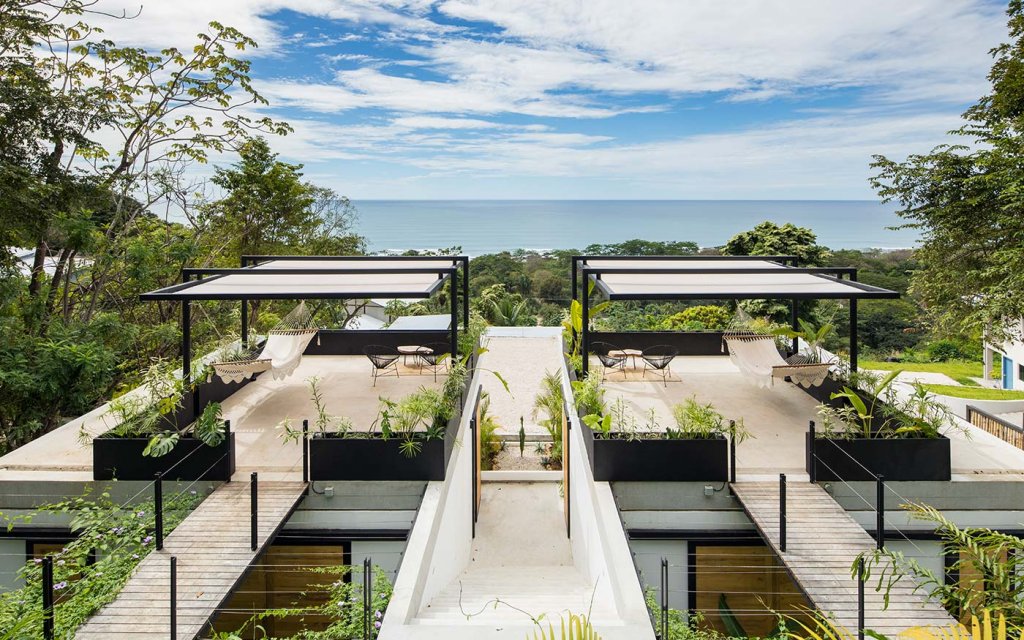
Sustainable architecture is not a checklist with universal answers. It is a process of making thoughtful choices within real constraints. A large home can be designed sustainably, but size still has an environmental cost. Imported finishes may offer beauty and precision, but they may also increase embodied carbon. Extensive glazing can create dramatic views, yet in the wrong orientation, it can raise heat gain and energy use.
This is where design judgment becomes critical. The question is rarely whether one element is good or bad in isolation. The question is how each decision participates in the whole. Sometimes a project benefits from advanced glazing because the view and thermal performance justify it. Sometimes a simpler opening, deeper shade, and stronger relationship to outdoor living create a better result. The right answer depends on site, climate, use, and ambition.
A sophisticated sustainable project does not pretend these tensions do not exist. It resolves them with clarity.
What Is Sustainable Architecture Really Trying to Achieve?
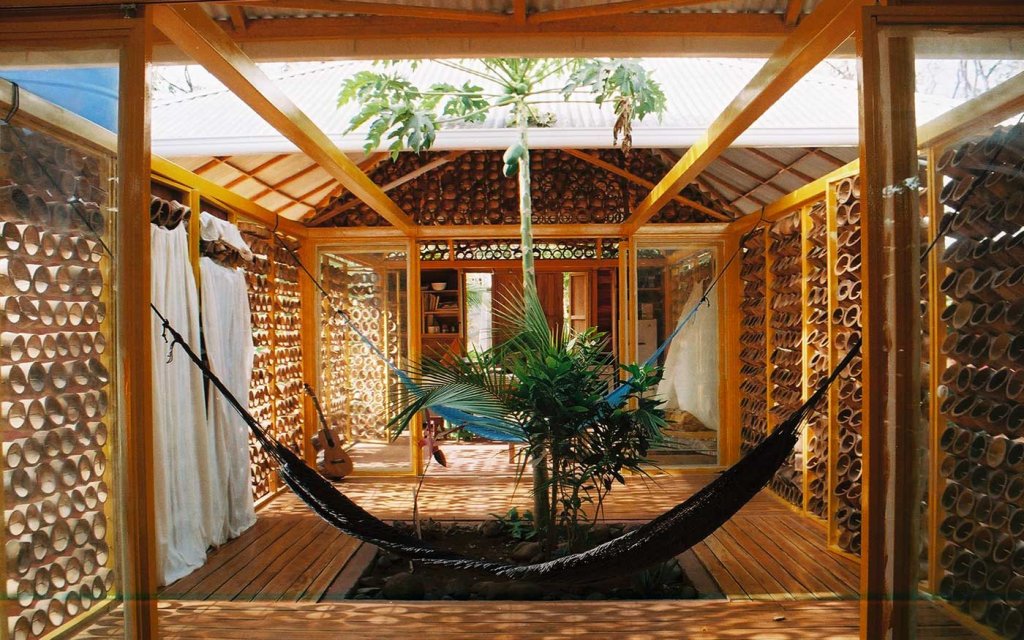
At the highest level, sustainable architecture is trying to restore a meaningful relationship between people, buildings, and the natural world. It asks architecture to do more than provide shelter or visual impact. It asks buildings to participate intelligently in their environment, to consume less, to last longer, and to enrich daily life.
That ambition is especially powerful in places where climate and landscape are not background conditions but active forces. In tropical settings, the best architecture feels inseparable from light, air, vegetation, and topography. It does not mimic nature, and it does not compete with it. It creates a framework for living within it with more ease and awareness.
This is why sustainable architecture continues to matter far beyond compliance or trend. It produces buildings with a deeper kind of luxury – one rooted in comfort, restraint, and belonging. For a practice such as Studio Saxe, that means design led by place, shaped by passive principles, and refined through craftsmanship rather than excess.
If you are asking what makes a building truly sustainable, start with a simpler question: does it understand where it is? The most compelling architecture usually does.