What Makes a Building Truly Green?
Many buildings today are marketed as green because they include solar panels, environmental certifications, or energy-efficient systems. While these elements can contribute to sustainability, they do not automatically create green architecture.
A truly green building begins long before technology is added. It starts with how a structure responds to climate, landscape, water, materials, and long-term use. The most successful examples of green architecture often achieve more through thoughtful design than through visible environmental technologies.
Green Architecture Is More Than a Checklist
One of the most common misconceptions is that green architecture can be reduced to a collection of sustainable features.
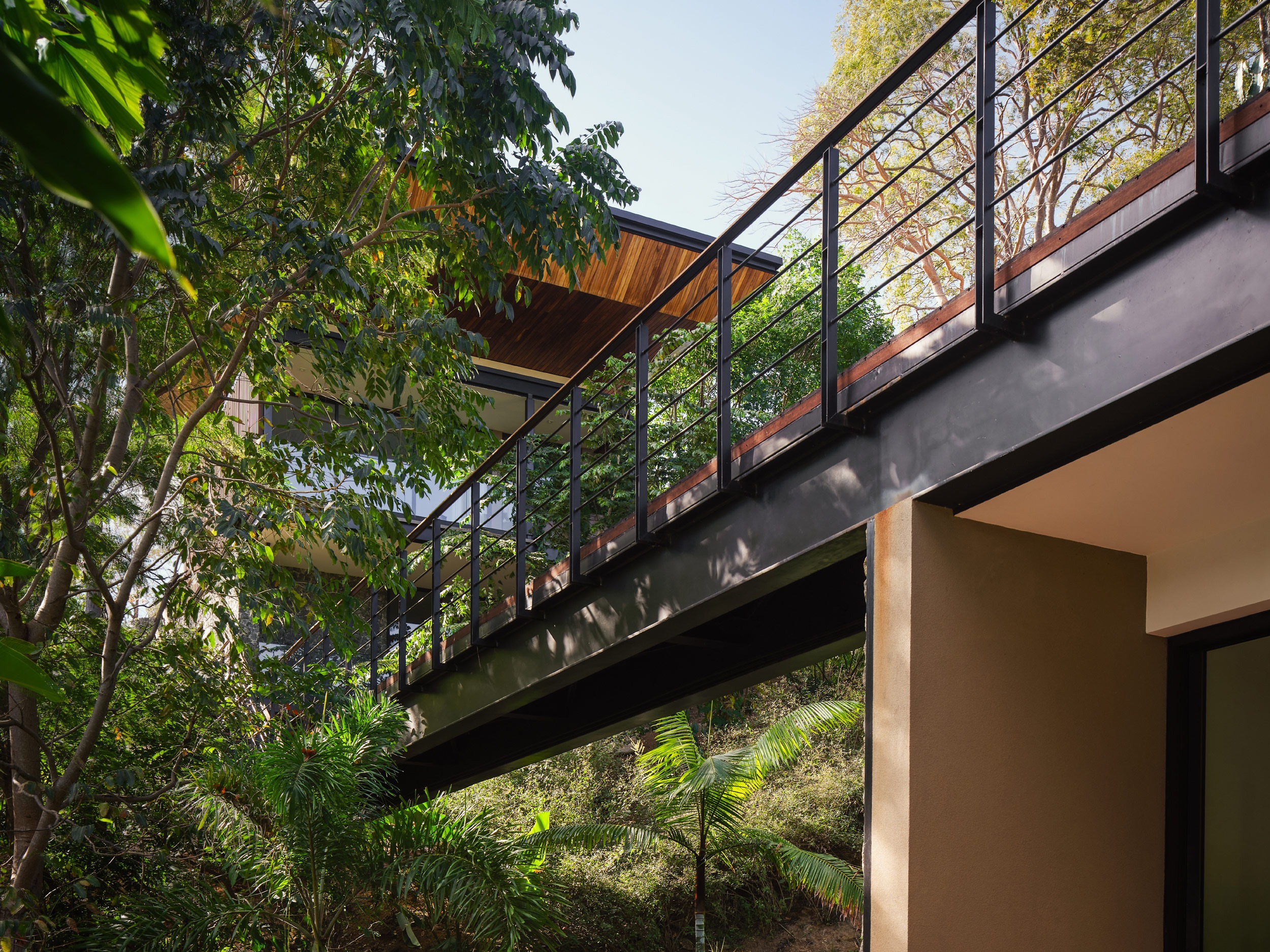
Solar panels, rainwater harvesting systems, energy dashboards, recycled finishes, and certifications all have value. However, when these elements are applied without considering orientation, shading, ventilation, and site integration, they risk becoming accessories rather than meaningful environmental solutions.
The greenest buildings are often those that require less intervention in the first place.
A Green Building Should Respond to Its Environment
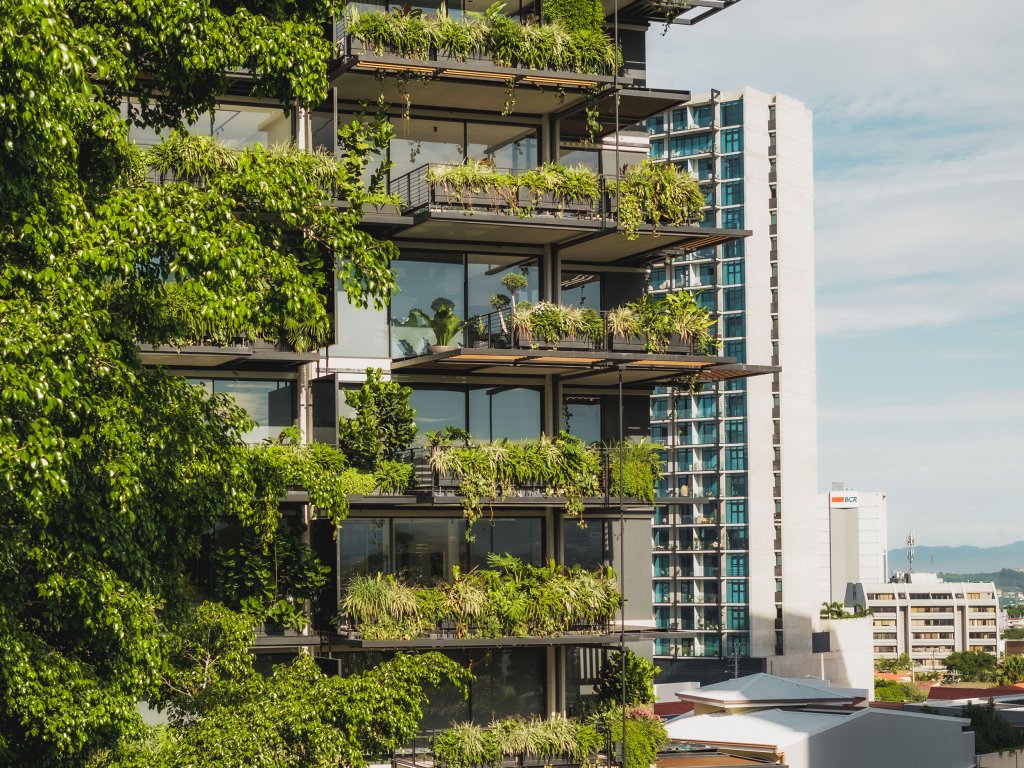
The most effective green buildings emerge from their surroundings.
A coastal project may prioritize natural ventilation and protection from salt exposure. A mountain retreat may focus on thermal performance and water management. A tropical building may rely on shading, airflow, and lightweight construction to remain comfortable throughout the year.
Rather than imposing a universal formula, green architecture responds directly to place.
This relationship between building and environment is often more important than any individual technology incorporated into the project.
Materials Matter, But Not in the Way Most People Think
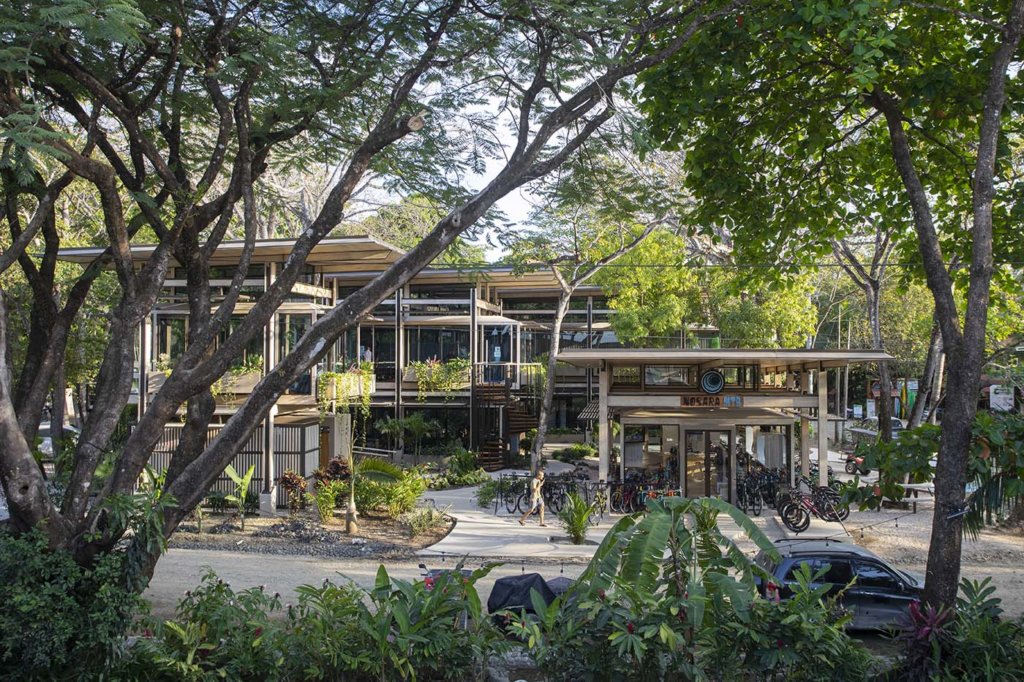
Green architecture is frequently associated with visible natural materials such as timber, stone, bamboo, or clay.
While these materials can contribute to sustainability, the real question is whether they are appropriate for the climate, responsibly sourced, and durable over time.
A material that requires constant replacement or intensive maintenance may ultimately carry a greater environmental cost than a less romantic alternative that lasts for decades.
The most successful green buildings prioritize longevity as much as environmental impact.
Green Buildings Should Age Well
One characteristic shared by many of the world’s most respected green buildings is resilience.
They continue performing decades after completion because their environmental strategies are embedded within the architecture itself rather than being dependent on technology alone.
Natural ventilation continues to function regardless of software updates. Deep overhangs continue to provide shade regardless of energy prices. Well-designed outdoor spaces continue improving quality of life without requiring additional systems.
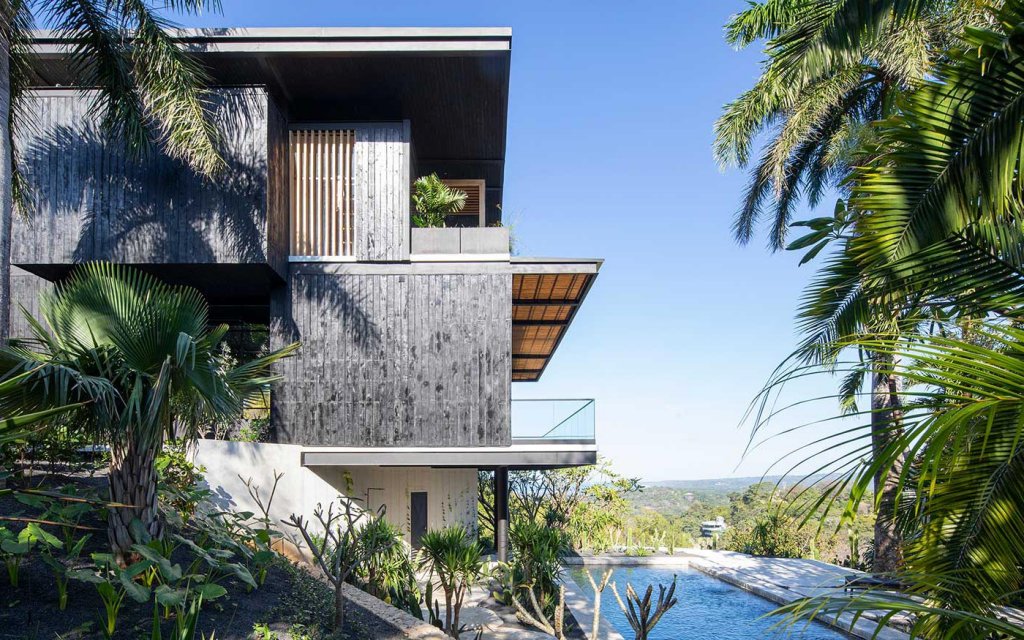
Good green architecture often becomes more valuable over time.
Why Green Architecture Matters for Luxury Homes and Hospitality
For homeowners, developers, and hospitality brands, environmental performance is increasingly linked to long-term value.
Buildings that consume less energy, age gracefully, and provide stronger connections to nature tend to remain desirable longer. They are often more comfortable, more memorable, and more resilient to changing environmental conditions.
This is particularly important in luxury residential, resort, and wellness projects where guests and owners increasingly seek authentic experiences connected to place rather than generic architectural solutions.
The Future of Green Architecture
As environmental challenges continue to evolve, the conversation around green architecture is shifting away from visible technologies and toward deeper questions about how buildings interact with their surroundings.
The most successful projects will not necessarily be the ones with the most systems or certifications. They will be the buildings that use fewer resources, work with local conditions, and create meaningful experiences for the people who inhabit them.
In that sense, green architecture is not a style. It is a way of thinking that allows buildings to contribute positively to both people and the environments they occupy.
Suitree Experience Hotel | Sardinal, Costa Rica
Concept
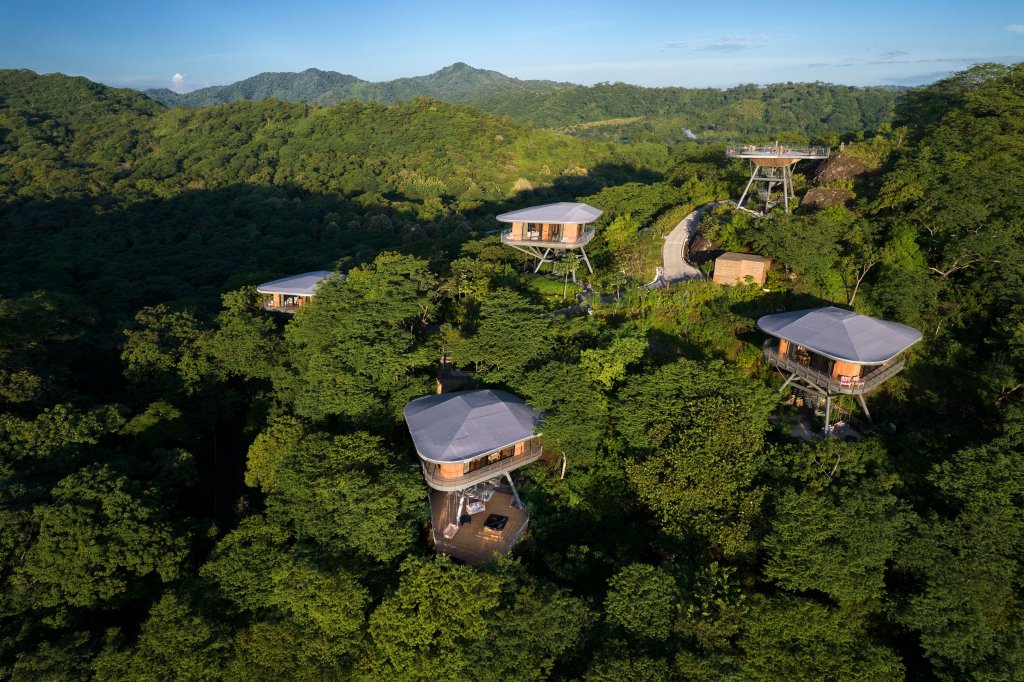
Inspired by the traditional concept of treehouses, we delved deeply into the site’s unique topographical and geological conditions to inform our design of the Suitree Experience Hotel. We’ve created tree-inspired pods, floating over the landscape, using a strong metal framework covered with natural wood. This design integrates stability and harmony, crafting a sustainable experience that respects and enhances its surroundings.
Design
In our quest to merge human living spaces with the natural world, we envision architecture not as an imposition on the landscape, but rather as a seamless extension of it. Our design philosophy revolves around the principle of ‘floating architecture,’ where structures do not disturb the existing ecosystem but instead coexist and symbiotically interact with it.
A central staircase ties the floating pods to the earth, merging internal and external terraces with the verdant surroundings. The gently undulating edges of the pods echo the organic forms of the forest, reflecting a natural symbiosis.
Sustainability
The concept of floating pods was born from our commitment to tread lightly on the earth. These structures hover gracefully above the landscape, allowing nature to flow uninterrupted beneath them and around them. Rainwater and local biodiversity move freely, ensuring the built structure coexists with the ecosystem. During construction, every tree was preserved, and each pod is designed to independently harvest water, contributing to a larger sustainable water management system.
These structures not only offer an immersive experience for inhabitants but also actively contribute to sustainability, symbolizing our respect for and commitment to the preservation of the natural environment.