
How Passive Cooling Shapes Better Homes
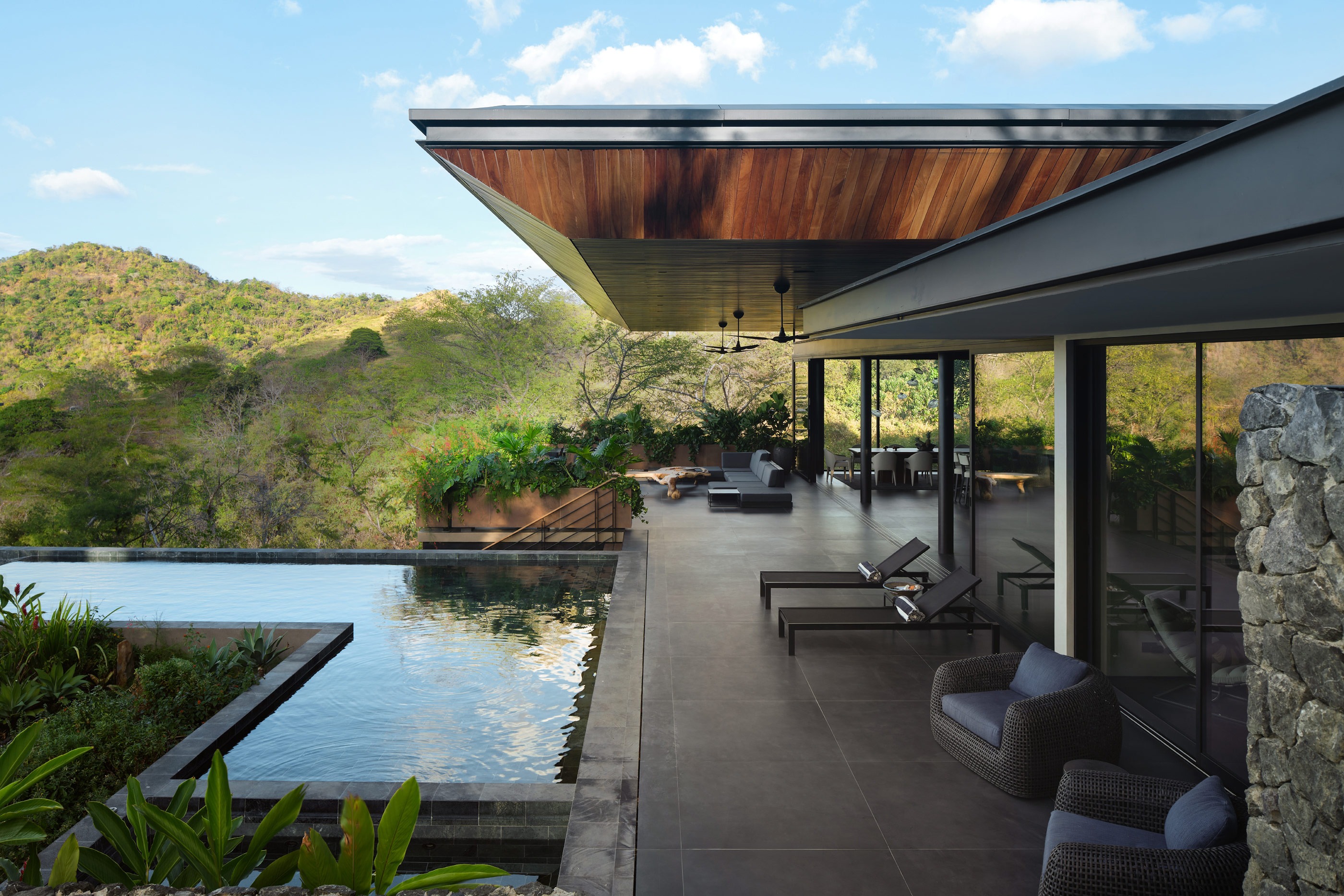
Walk into a home that remains comfortable without relying heavily on air conditioning, and the difference is immediately noticeable. The air feels fresher. Spaces feel calmer. The relationship between indoors and outdoors becomes more fluid. Rather than fighting the climate, the architecture works with it.
This is the essence of passive cooling.
At its core, passive cooling is not a technology but a way of designing buildings that respond intelligently to their environment. Through orientation, shade, ventilation, material selection, and spatial planning, a home can reduce heat gain and maintain comfort while using significantly less energy.
For centuries, architecture relied on these principles out of necessity. Today, as energy consumption rises and environmental conditions become more demanding, passive cooling is once again becoming one of the most important tools in residential design.
At Studio Saxe, passive cooling is not treated as a sustainability feature added at the end of a project. It is considered from the earliest stages of design. Understanding how the sun moves across a site, where breezes originate, how rainfall behaves, and how a building sits within its landscape often has a greater impact on comfort than any mechanical system introduced later.
Designing With the Climate Instead of Against It
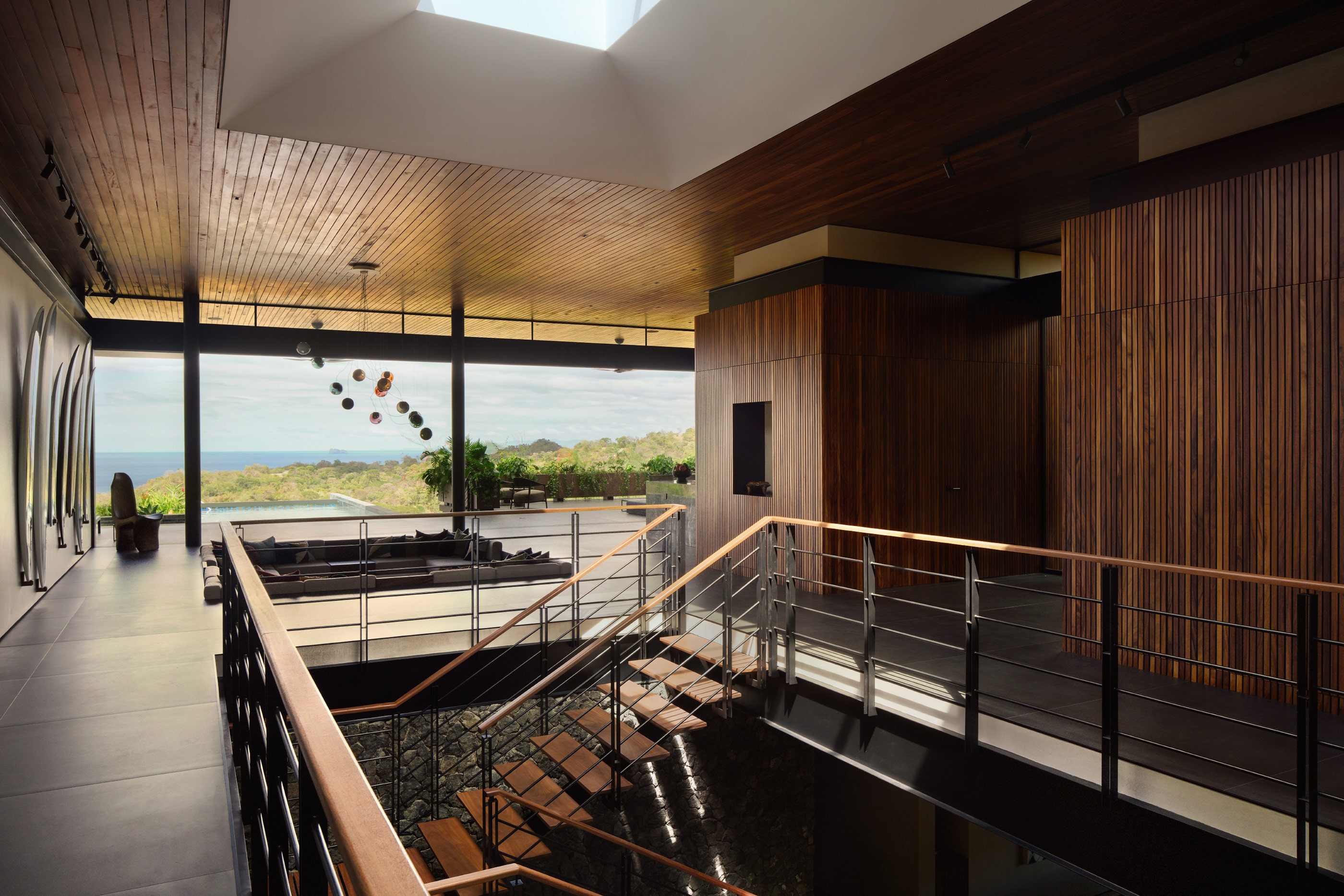
Every site contains information.
The path of the sun, prevailing winds, topography, vegetation, and seasonal weather patterns all influence how a building will perform over time. Passive cooling begins by studying these conditions and allowing them to inform the architecture.
In tropical environments, for example, managing solar exposure is often one of the first priorities. East and west facades receive intense low-angle sunlight that can introduce significant heat into a building. Careful orientation, roof overhangs, shading devices, and landscape strategies help reduce that heat before it ever reaches the interior.
The goal is not to isolate occupants from the environment but to create a more comfortable relationship with it.
Why Air Movement Matters
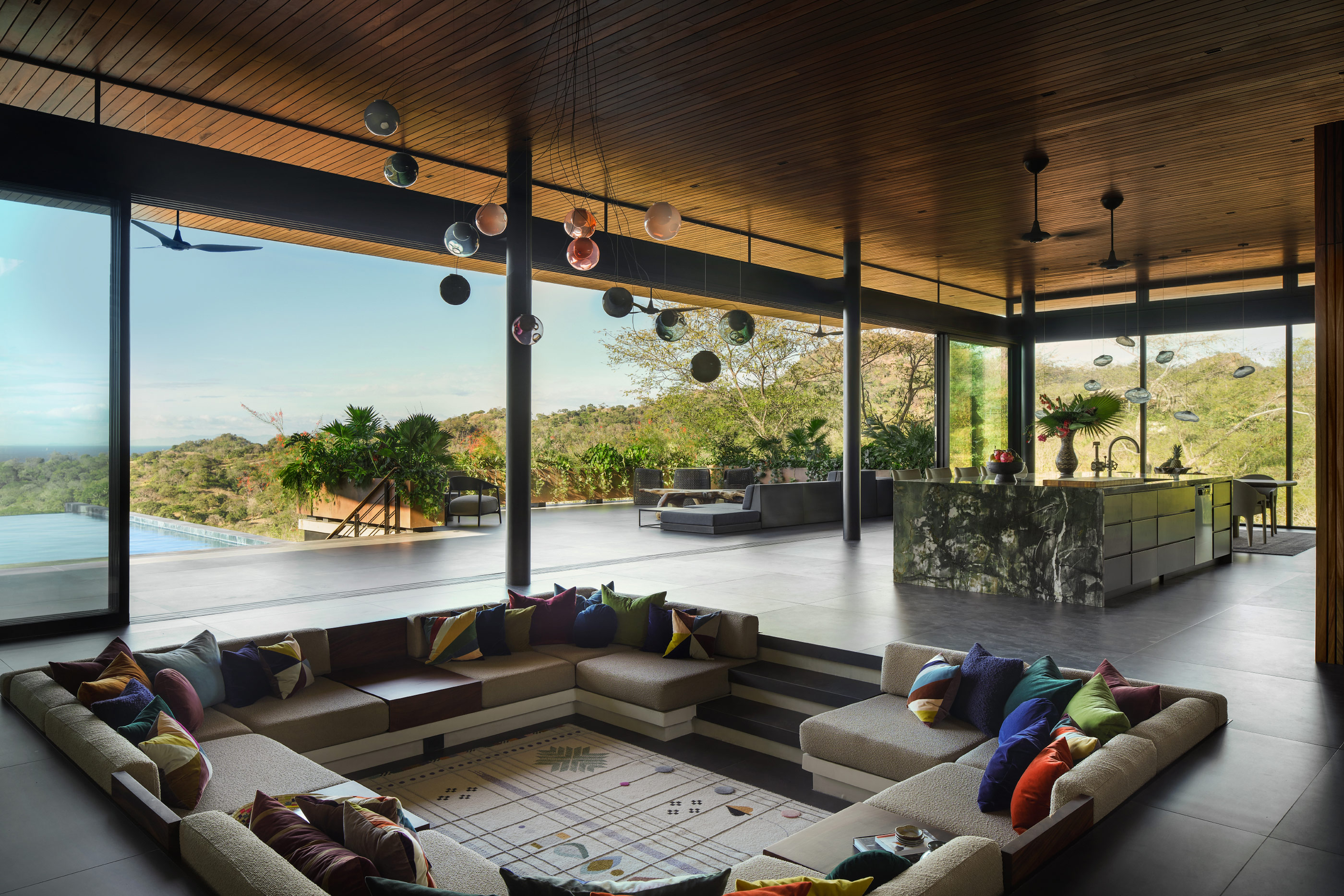
One of the most effective passive cooling strategies is natural ventilation.
When openings are carefully positioned, air can move through a building rather than becoming trapped within it. This continuous movement helps remove accumulated heat while improving comfort throughout the day.
Cross ventilation is often the most familiar example, allowing breezes to pass from one side of a home to another. However, ventilation can also be enhanced through double-height spaces, operable clerestory windows, internal courtyards, and roof designs that encourage warm air to rise and escape naturally.
These strategies are particularly effective in tropical architecture because comfort is not determined by temperature alone. Air movement plays an equally important role in how a space feels.
The Importance of Shade
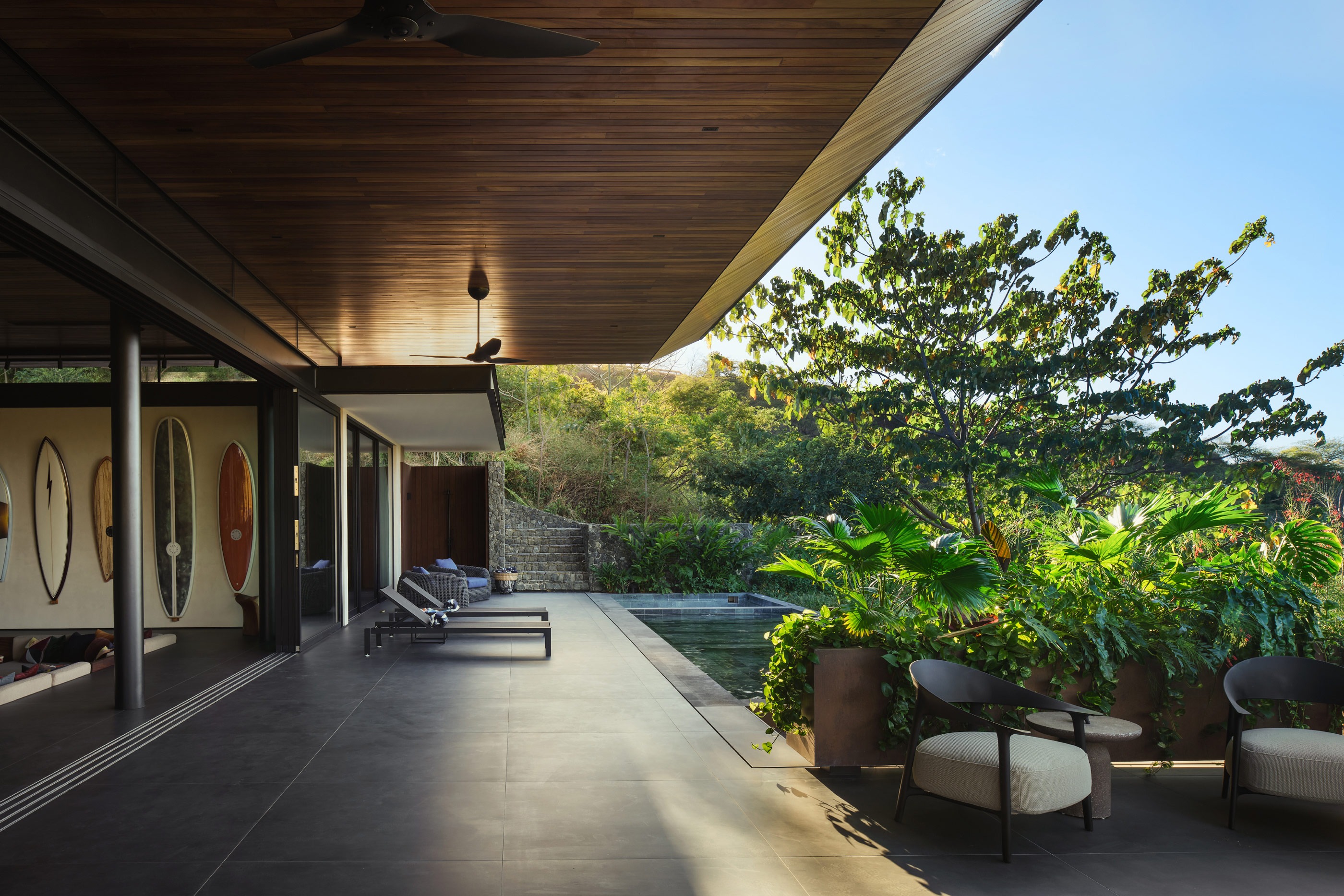
The most efficient heat is the heat that never enters the building.
Deep roof overhangs, covered terraces, pergolas, screens, and vegetation all contribute to reducing solar gain before it reaches walls and glazing. Beyond improving performance, these elements often create some of the most enjoyable spaces within a home.
In many tropical houses, covered outdoor living areas become extensions of interior rooms. They provide shelter from sun and rain while strengthening the connection between architecture and landscape.
Trees play an important role as well. Carefully positioned vegetation can cool surrounding surfaces, filter sunlight, improve biodiversity, and contribute to a more comfortable microclimate around the home.
Materials Matter
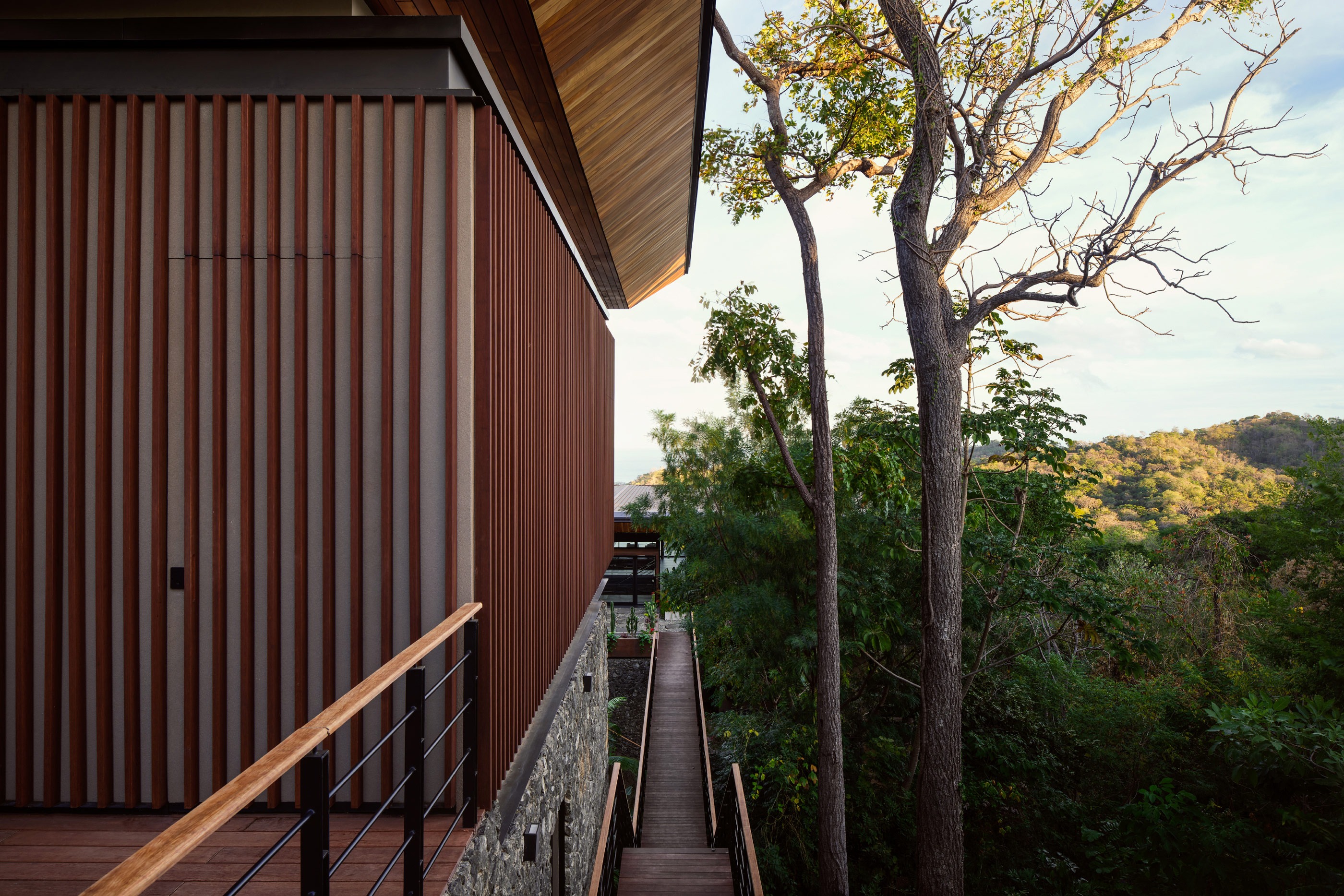
Passive cooling is also influenced by the way materials absorb, store, and release heat.
Some climates benefit from lightweight construction that dissipates heat quickly. Others may benefit from materials with greater thermal mass that help stabilize indoor temperatures. The right solution depends entirely on local conditions.
Material selection should never be separated from climate. A material that performs exceptionally well in one region may be entirely inappropriate in another.
For this reason, climate-responsive architecture often relies on a careful balance between environmental performance, durability, maintenance requirements, and architectural expression.
A Better Way to Think About Comfort
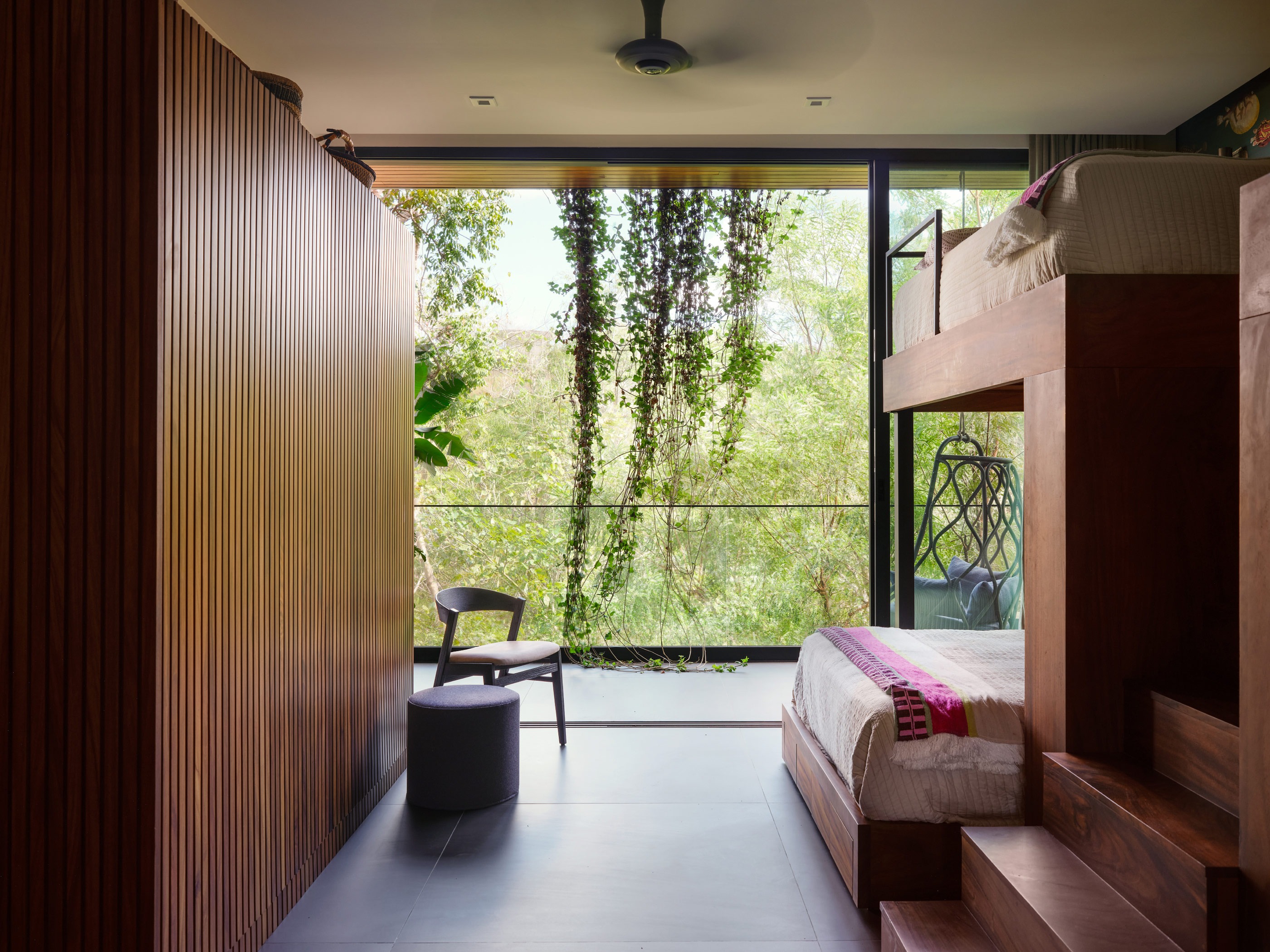
There is a common misconception that comfort is achieved solely through mechanical cooling. In reality, some of the most enjoyable spaces are those that feel naturally connected to their surroundings.
A shaded terrace with a constant breeze often provides a richer experience than a sealed room maintained at a fixed temperature. Architecture has the ability to create comfort through proportion, airflow, light, materiality, and connection to nature.
Passive cooling helps achieve this by allowing the building itself to contribute to comfort rather than relying entirely on equipment.
Looking Forward
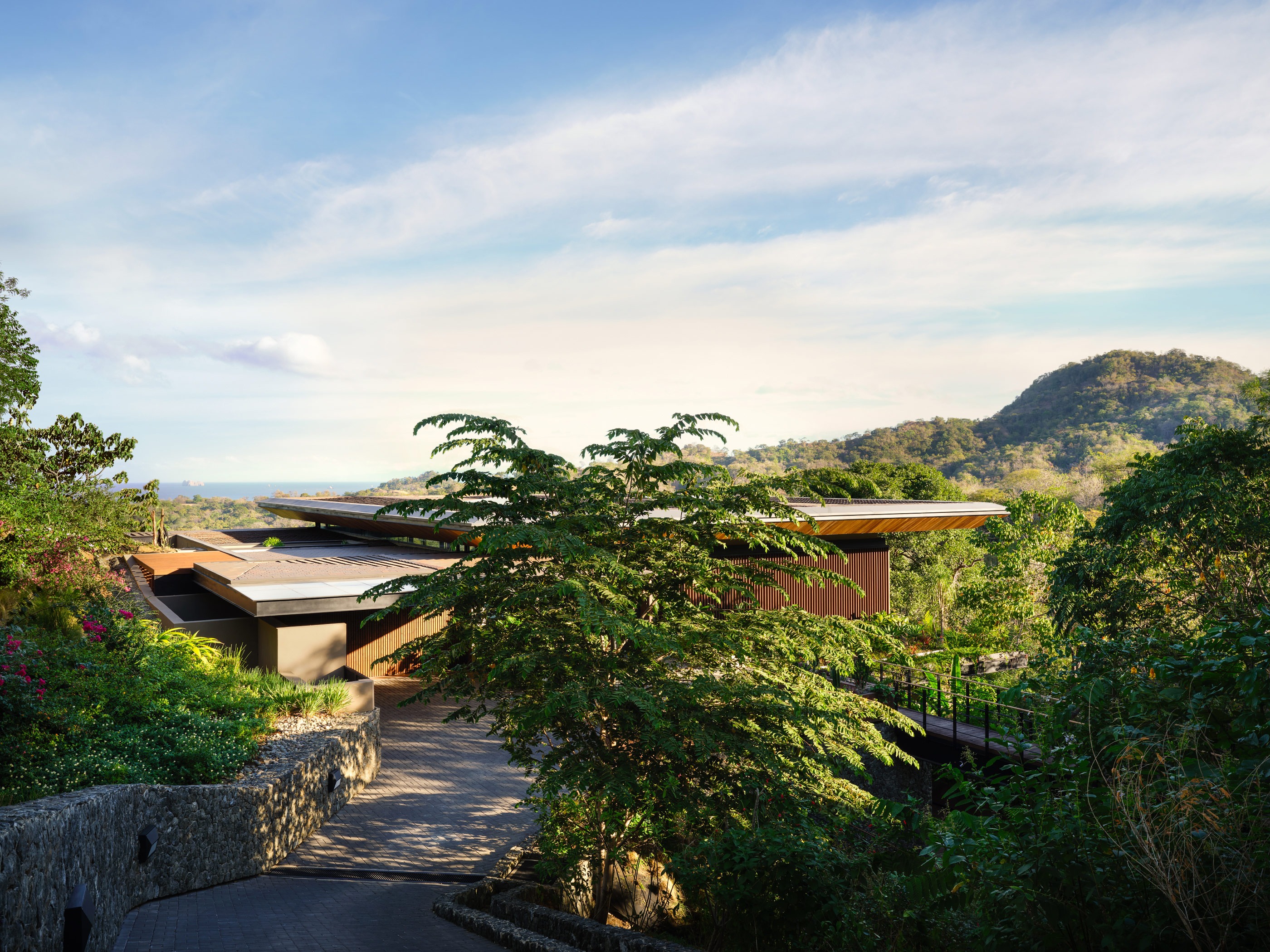
As energy costs increase and environmental challenges become more complex, passive cooling is becoming less of an option and more of a responsibility.
The most resilient homes of the future will not simply consume less energy. They will be designed with a deeper understanding of climate, place, and long-term performance.
When architecture responds intelligently to its environment, comfort becomes something that is built into the design itself. The result is not only a more sustainable home, but a more enduring and meaningful way of living.