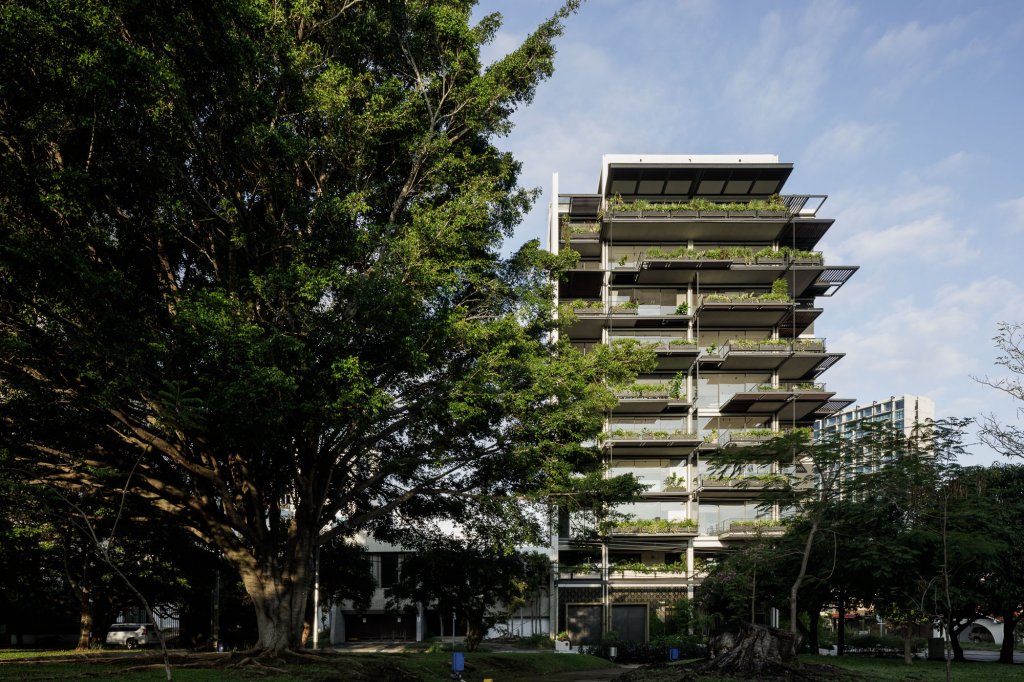
A building reveals its priorities within moments. You feel it in the air’s temperature as you enter, in the way light settles across a room, and in whether the architecture frames the landscape or competes with it. Nature-led design begins there – not with a style, but with a way of reading a place closely enough that the architecture could belong nowhere else.
For clients creating homes, hotels, and communities in exceptional settings, that distinction matters. Beautiful architecture is no longer judged only by its silhouette or finishes. It is judged by how well it adapts to the climate, how intelligently it uses resources, and how naturally it supports a slower, healthier relationship with the outdoors. In that sense, nature-led design is less a trend than a return to architectural basics, executed with greater rigor and ambition.
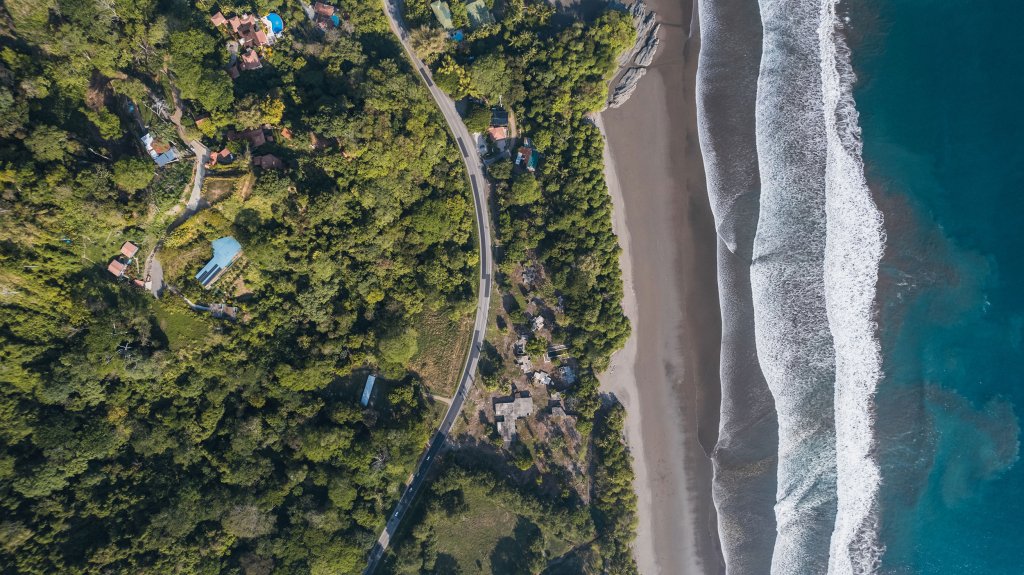
Nature-led design starts with place
The phrase can sound soft, almost decorative, until it is put into practice. In reality, nature-led design is highly disciplined. It asks the architect to begin with the forces already present on site: sun path, prevailing winds, topography, vegetation, humidity, seasonal rain, views, and local building culture. These are not constraints to work around. They are the primary design material.
That shift changes the entire process. Rather than imposing a preselected image onto the land, the project takes shape through orientation, section, massing, and material response. A roof may extend further not for drama alone, but to protect openings from tropical rain and high sun. A corridor may remain open-air because moving breezes can cool it more effectively than a sealed system ever could. A building might step with the terrain to reduce excavation, preserve existing trees, and maintain a more natural relationship to the ground.
This is where architecture becomes more refined, not less. Restraint often produces the strongest result. When a project responds clearly to site conditions, it gains an ease that cannot be fabricated later through decoration.
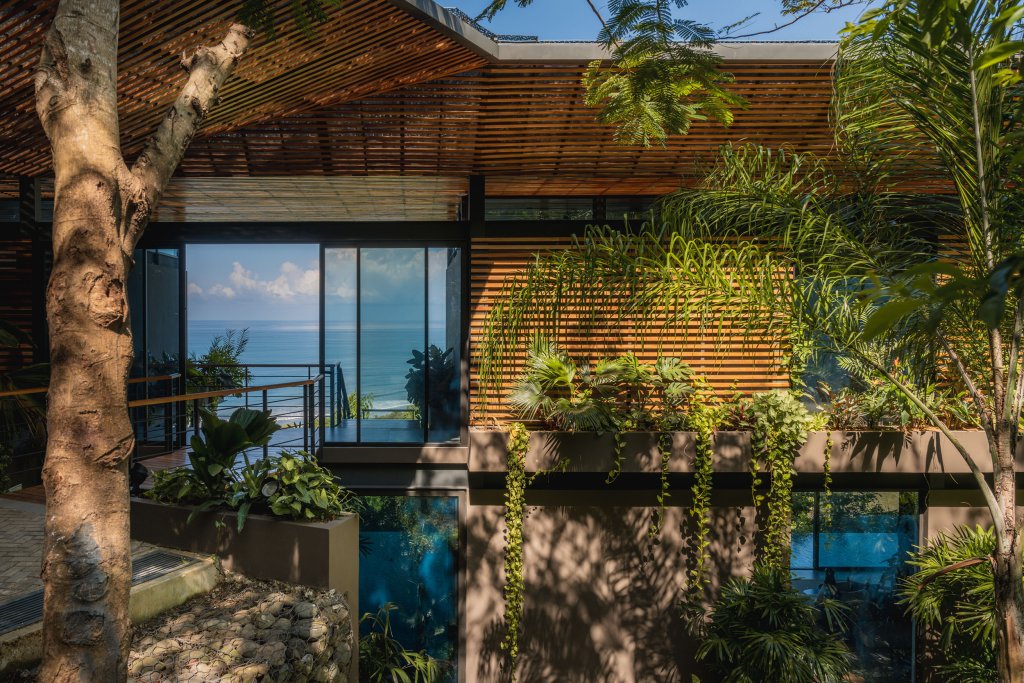
Why luxury clients are asking for more than aesthetics
High-end residential and hospitality markets have shifted. Clients still want beauty, but increasingly they want beauty with intelligence behind it. They are looking for properties that perform well over time, feel deeply connected to their setting, and offer a kind of experiential richness that generic luxury rarely achieves.
Nature-led design answers that brief because it creates value on several levels at once. It improves comfort through passive environmental strategies. It elevates wellness by strengthening the connection to daylight, vegetation, airflow, and outdoor living. It also gives a project identity. In a crowded market, that identity is not a branding exercise. It is embedded in the architecture itself.
For hospitality developers, this can shape the entire guest experience. The arrival sequence, the framing of a horizon, the sound of rain on a protected roof, and the transition from interior calm to open landscape all become part of the memory of a place. For private clients, the reward is more intimate. Daily life feels easier, lighter, and more grounded when the home works with its environment rather than shutting it out.
There is also a practical dimension. Buildings that rely on passive shading, natural ventilation, and durable local materials may reduce long-term operational demands. That does not mean every project can or should eliminate mechanical systems. Climate, program, and expectations vary. But the best outcomes usually come when technology supports architecture, rather than compensating for decisions that ignored nature from the start.
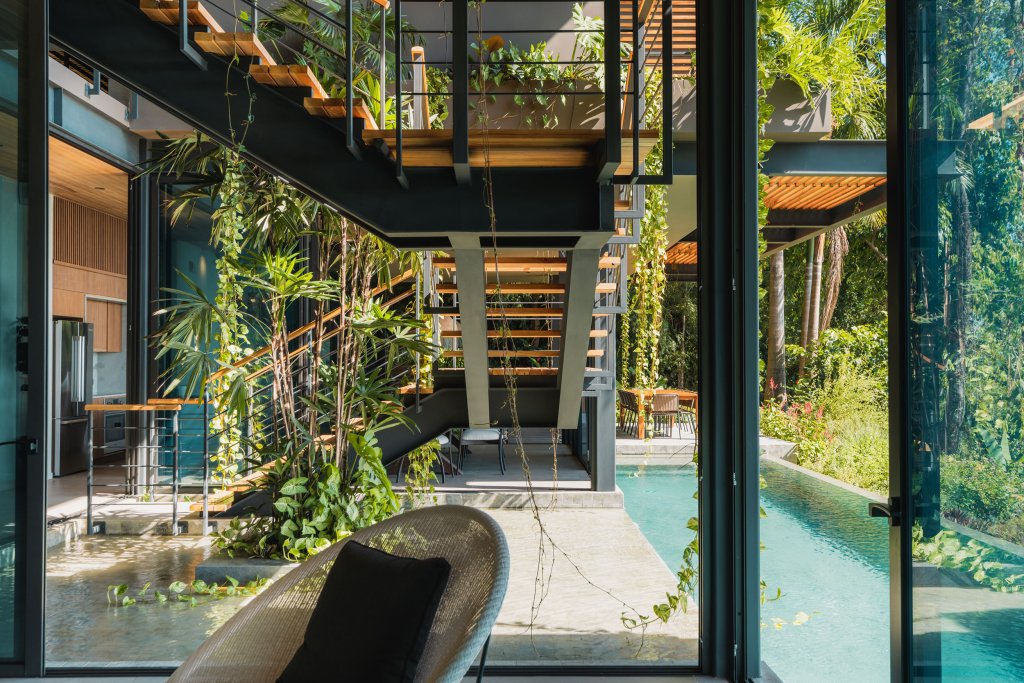
The design choices that matter most
Nature-led design is visible in the fundamentals long before it appears in finishes. Orientation is often the first major move. In warmer climates, controlling solar gain while capturing breezes can define the comfort and energy profile of the entire building. This affects room placement, window sizing, roof geometry, and the balance between exposed and sheltered spaces.
Material strategy is equally important. Local sourcing is not only an environmental gesture. It can also create greater coherence between architecture and context. Materials that belong to a region tend to weather more honestly there, and local craftsmanship often carries a level of knowledge that standardized construction cannot replicate. Stone, wood, clay, and concrete each behave differently depending on moisture, salt air, heat, and maintenance patterns. Selecting them well is part aesthetics, part performance.
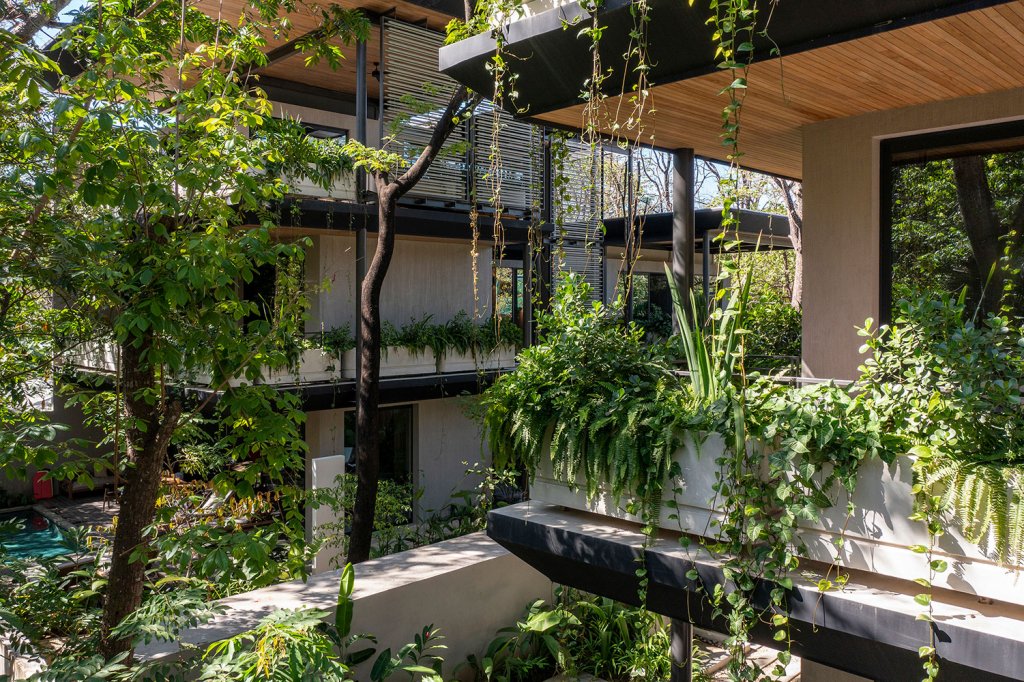
Landscape should also be treated as architecture’s partner, not its backdrop. Existing trees can reduce heat gain and shape spatial experience. Native planting can stabilize slopes, support biodiversity, and reduce irrigation demand. Water management, especially in tropical or coastal sites, must be integrated from the beginning. If the landscape is considered too late, the project usually loses both ecological intelligence and visual depth.
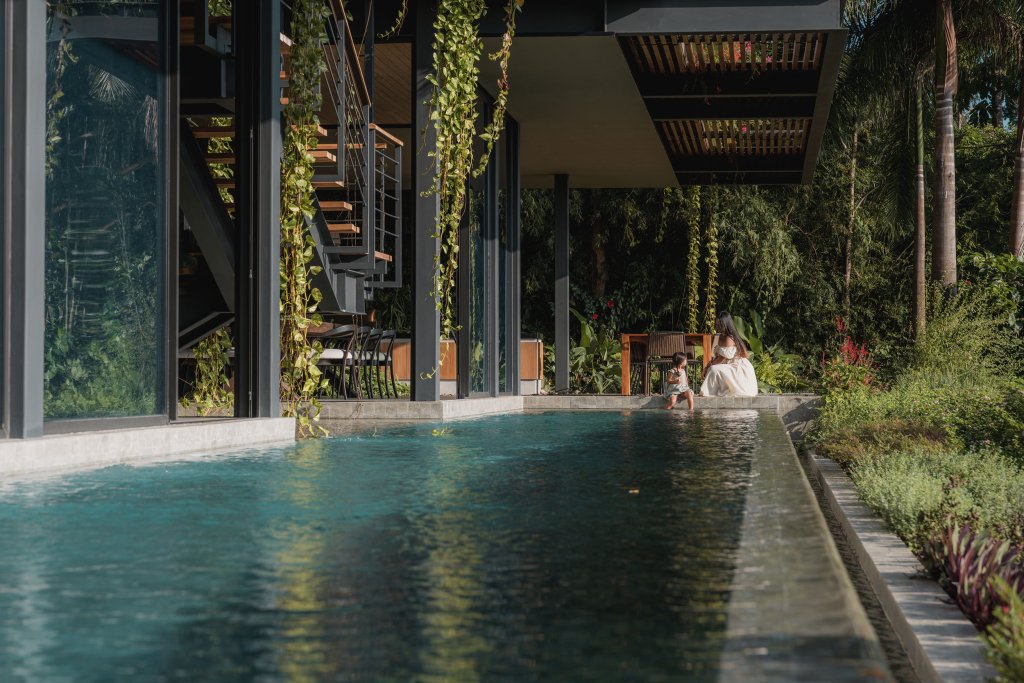
The strongest projects also understand the threshold. Much of the pleasure in climate-responsive architecture comes from spaces that are neither fully inside nor fully outside. Covered terraces, breezeways, shaded courtyards, outdoor bathing areas, and transitional lounges create a richer spectrum of living. They extend the usefulness of the building while softening the boundary between shelter and landscape.
Nature-led design is not rustic by default
One of the persistent misconceptions is that a nature-responsive building must look informal, vernacular, or visibly low-tech. Sometimes that language is appropriate. Just as often, it is not. A project can be highly refined, architecturally ambitious, and globally resonant while remaining grounded in climate and place.
That is an important distinction for design-conscious clients. Nature-led design does not ask for aesthetic compromise. It asks for alignment. The architecture can still be sculptural, minimal, or materially expressive, but each gesture should have a reason beyond novelty. The result tends to feel quieter and more confident because it is supported by environmental logic.
This is especially relevant in premium markets where visual sameness has become common. Many luxury properties borrow the same formal vocabulary regardless of latitude, rainfall, or terrain. They photograph well in isolation, but they often age poorly as architecture because they never formed a real relationship with where they were built. A more site-attuned approach may appear understated at first glance, yet it usually gains strength over time.
What good nature-led design requires from the client
Clients often assume this approach simply depends on hiring the right architect. That matters, but the process also requires a certain mindset from ownership and development teams. Good outcomes rely on valuing long-term quality over quick visual effect, and on allowing the site to influence decisions early.
This can mean preserving more of the landscape than initially expected, adjusting the footprint to protect natural systems, or investing in better envelopes and shading rather than spending disproportionately on surface-level luxury. It can also mean accepting that some of the smartest moves are not the most obvious ones in a rendering.
There are trade-offs. Open-air living may be wonderful in one climate and less practical in another. Large expanses of glass may offer dramatic views, but without careful orientation and protection, they can undermine comfort. Local materials can add richness and authenticity, yet they need to be selected with a realistic understanding of maintenance and availability. Nature-led design is not a fixed recipe. It is a framework for making better decisions, project by project.
For that reason, experience matters. A studio working fluently across architecture, climate response, and construction realities can translate environmental principles into buildings that still feel effortless. At Studio Saxe, that work has always centered on creating spaces where sustainability is inseparable from beauty, and where place is not edited out of the design but brought fully into it.
A more lasting idea of value
The appeal of nature-led design is ultimately simple. It produces architecture that feels better because it is more deeply considered. Not only visually, but spatially, environmentally, and emotionally.
For homeowners, developers, and hospitality brands building in remarkable landscapes, that depth becomes part of the asset itself. A project shaped by its climate and terrain tends to endure with more grace than one driven mainly by image. It feels grounded. It invites use. It leaves room for weather, time, and human life to enrich it rather than diminish it.
The most compelling buildings do not stand apart from nature to prove their importance. They become memorable because they know exactly how to live within it.