Casa Akíga
“A hidden home unfolds as a sequence of spaces designed for discovery within the landscape.“
| Overview
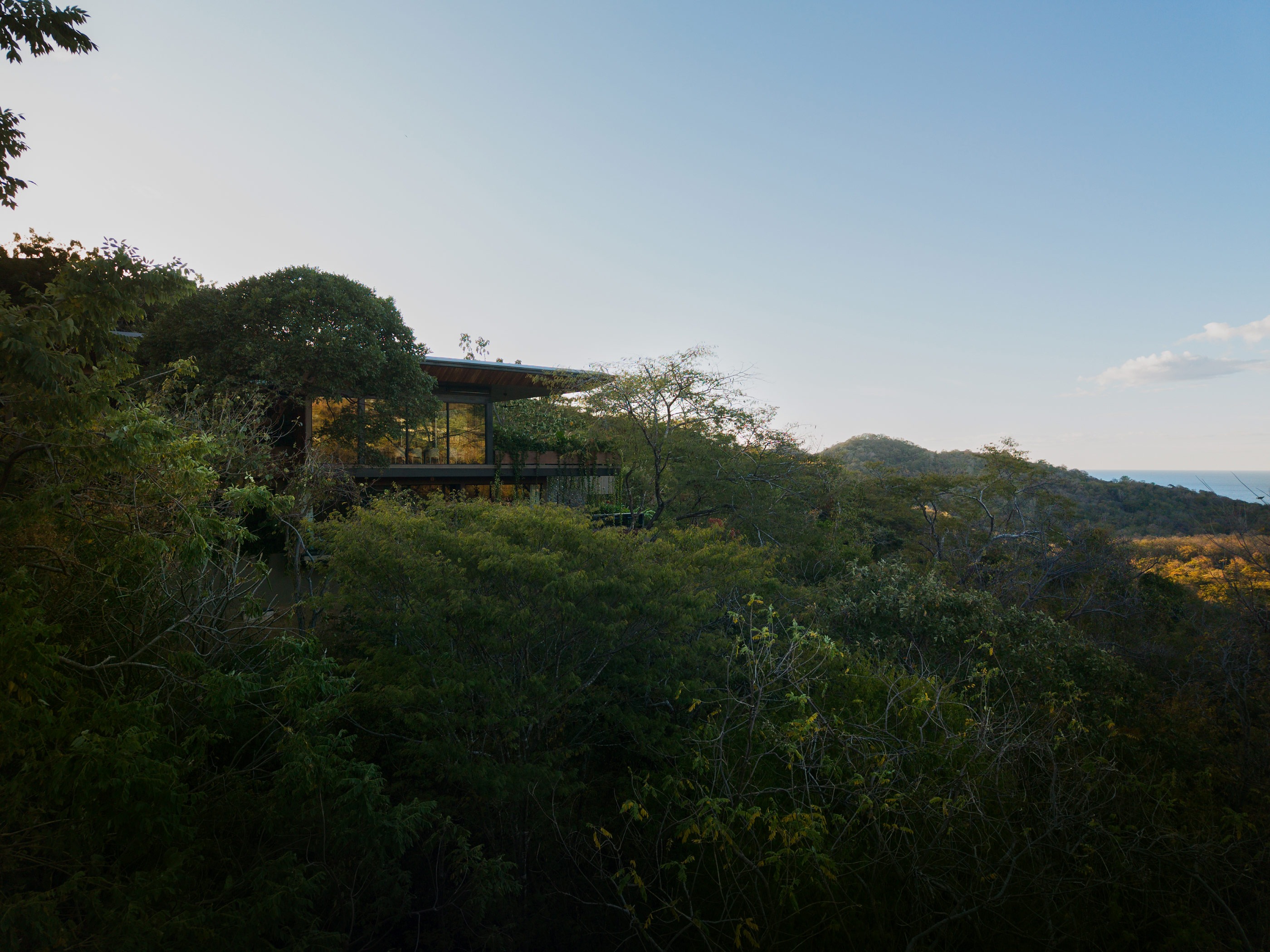
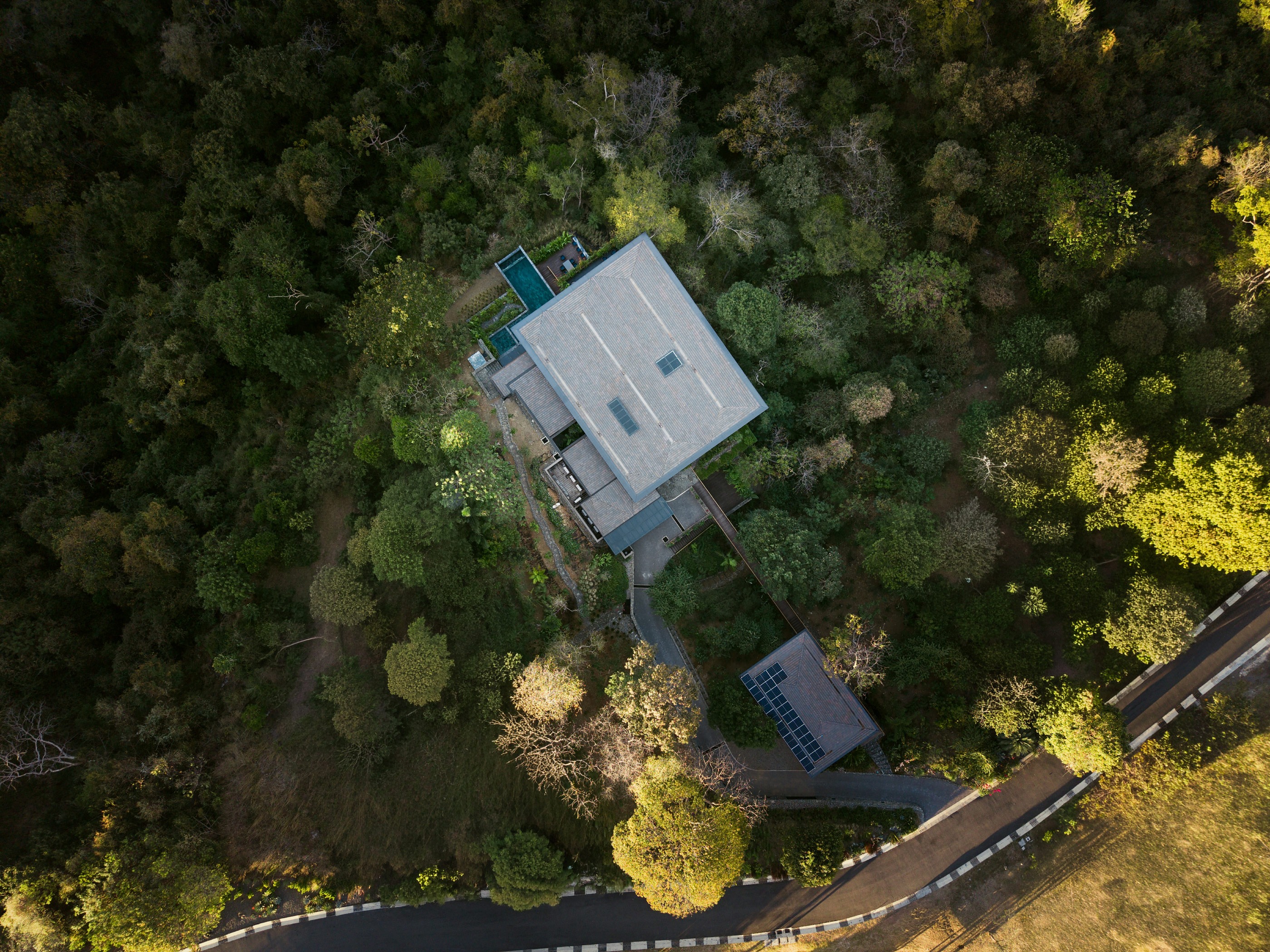
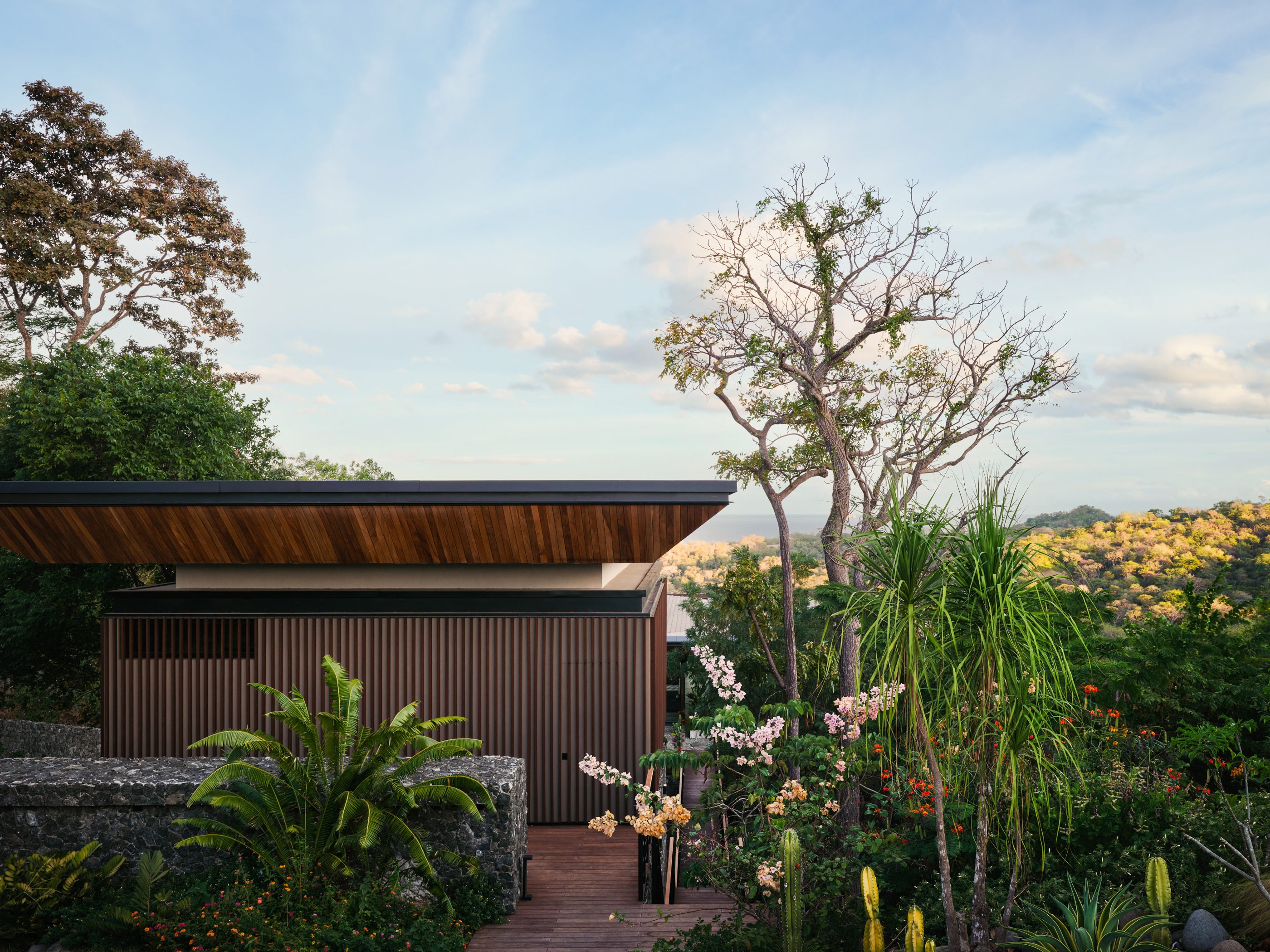
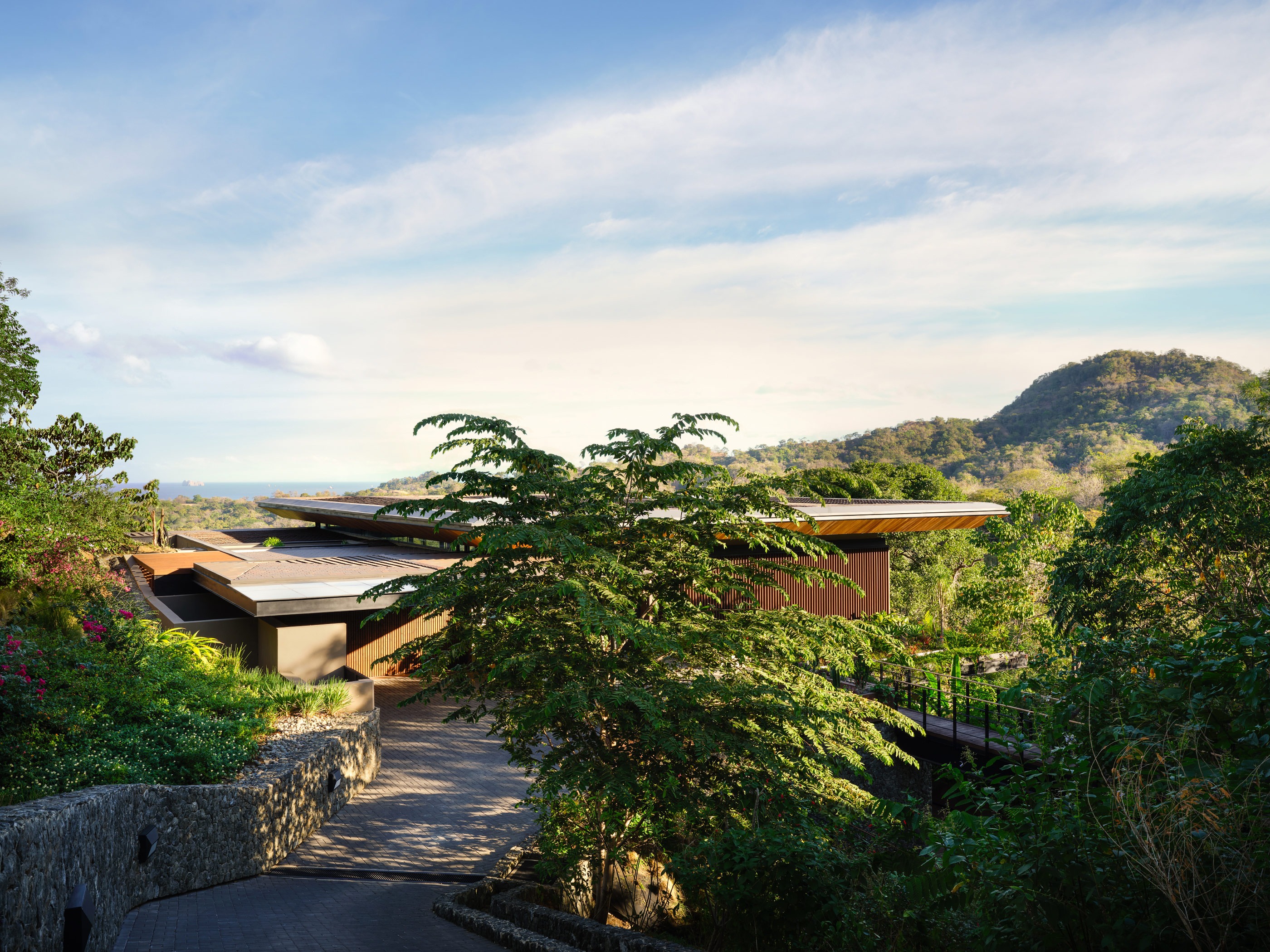
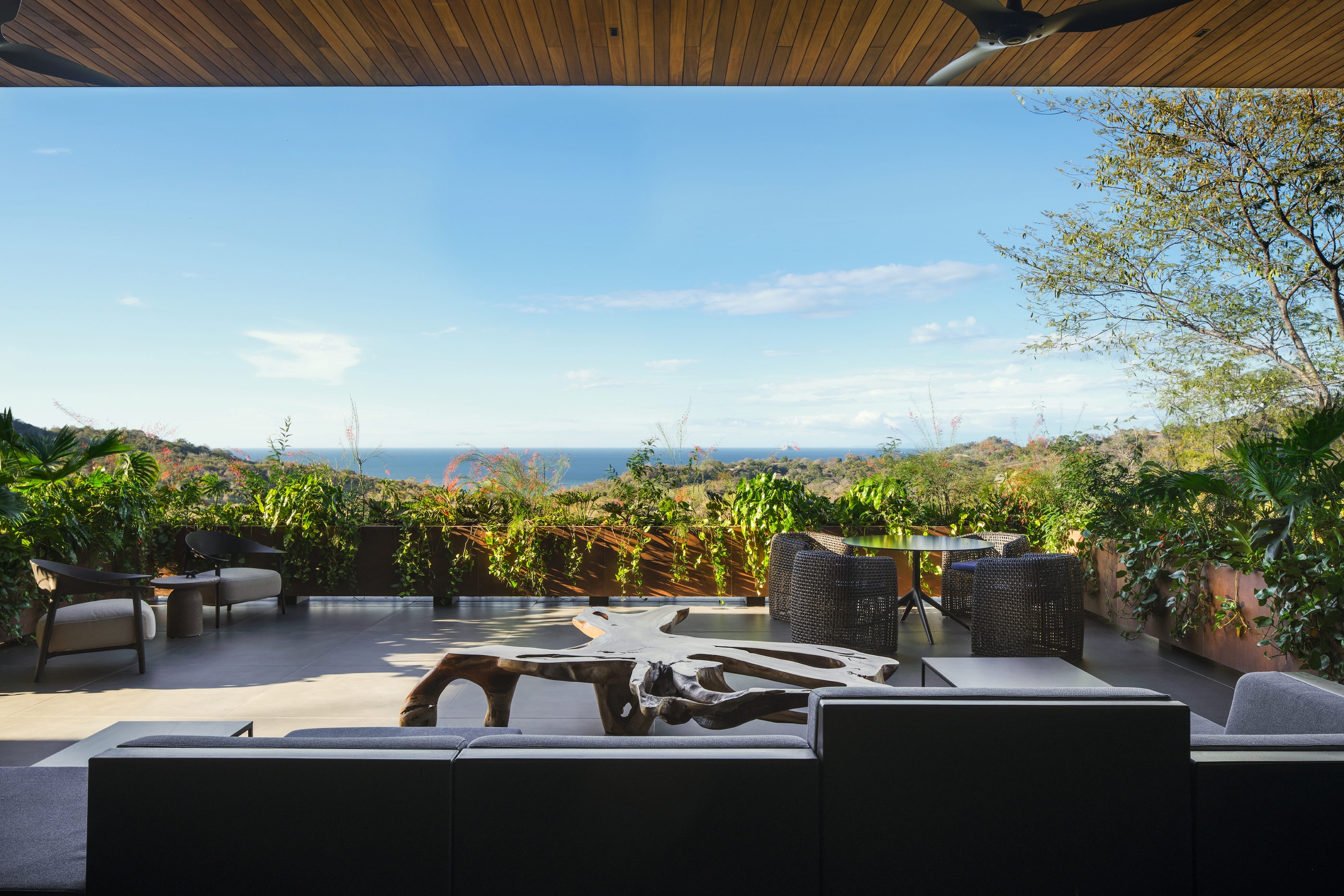
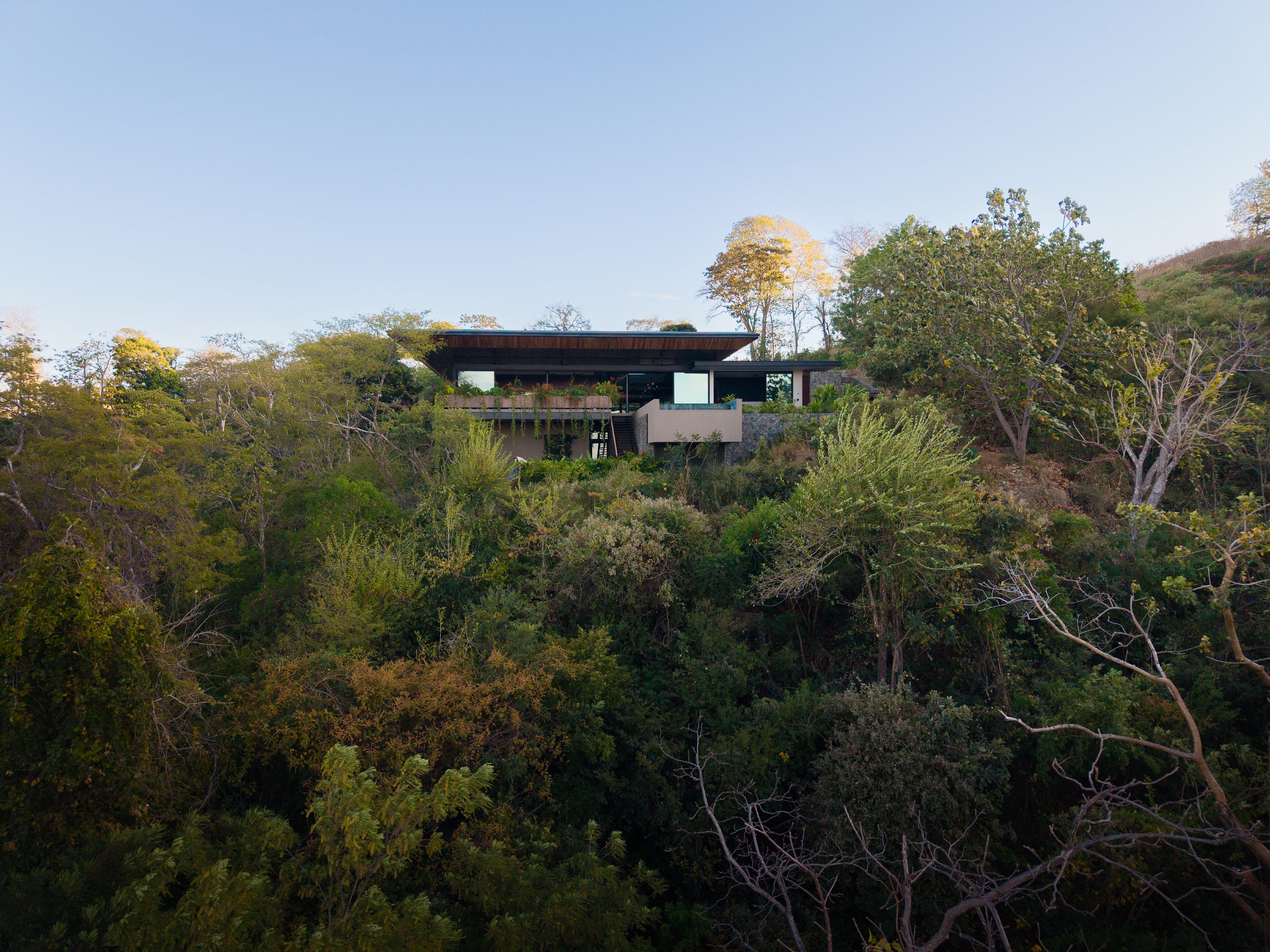
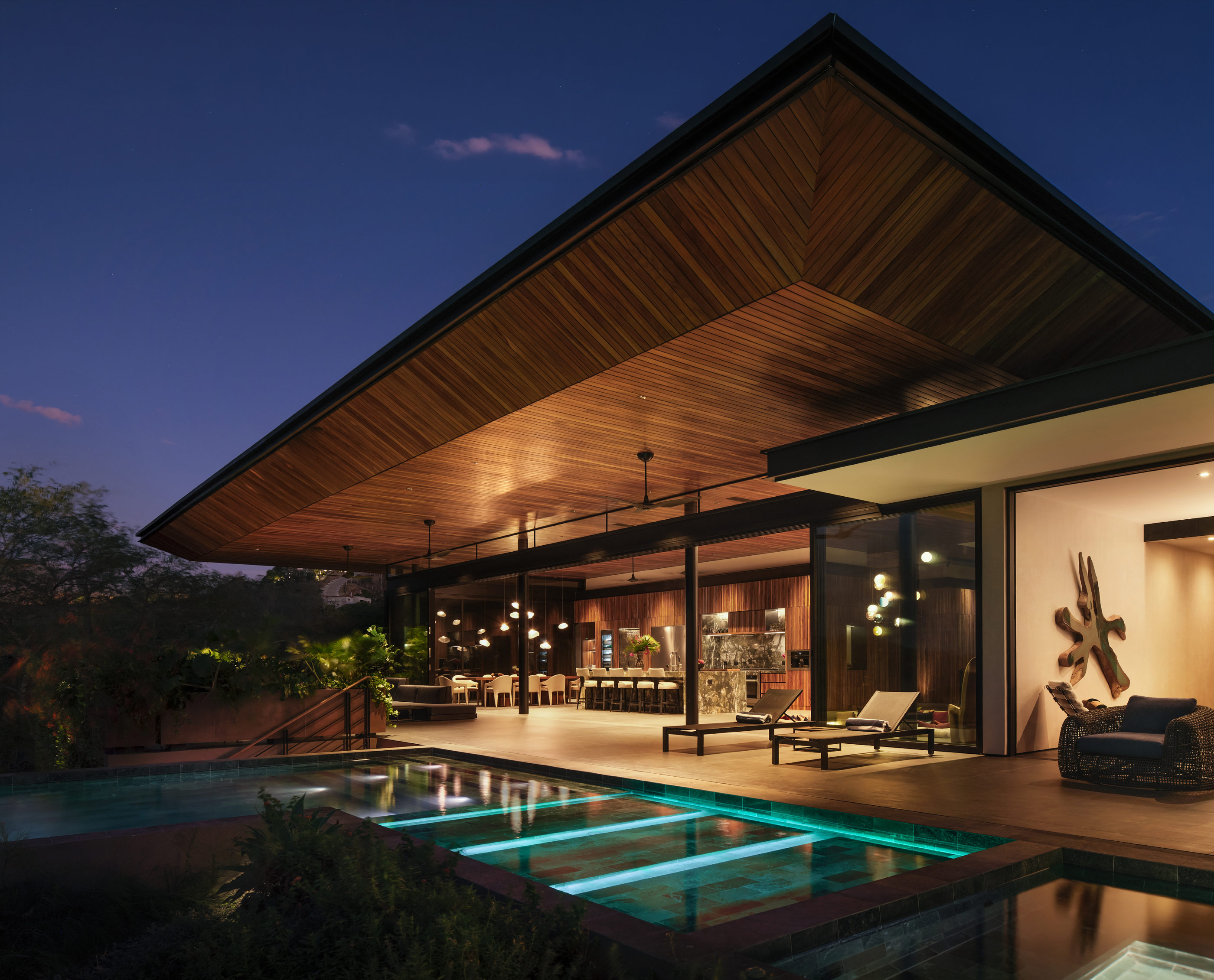
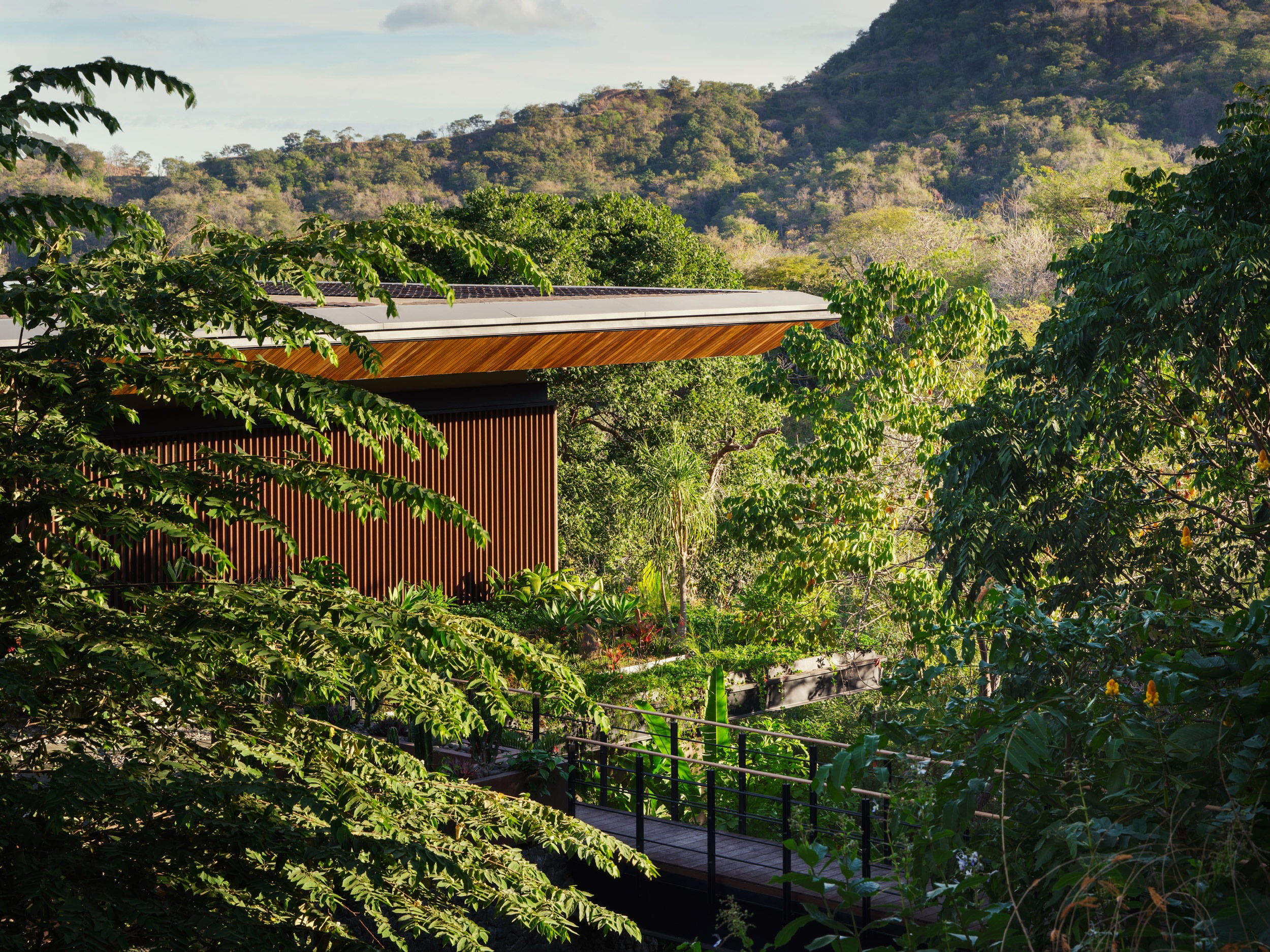
Set within a sloping site that descends toward a ravine with ocean views beyond, this residence is approached as a gradual discovery. The house does not reveal itself immediately. Instead, it remains partially hidden, embedded in the terrain and held by the landscape. From the street, only fragments are visible, allowing the natural surroundings to take precedence.
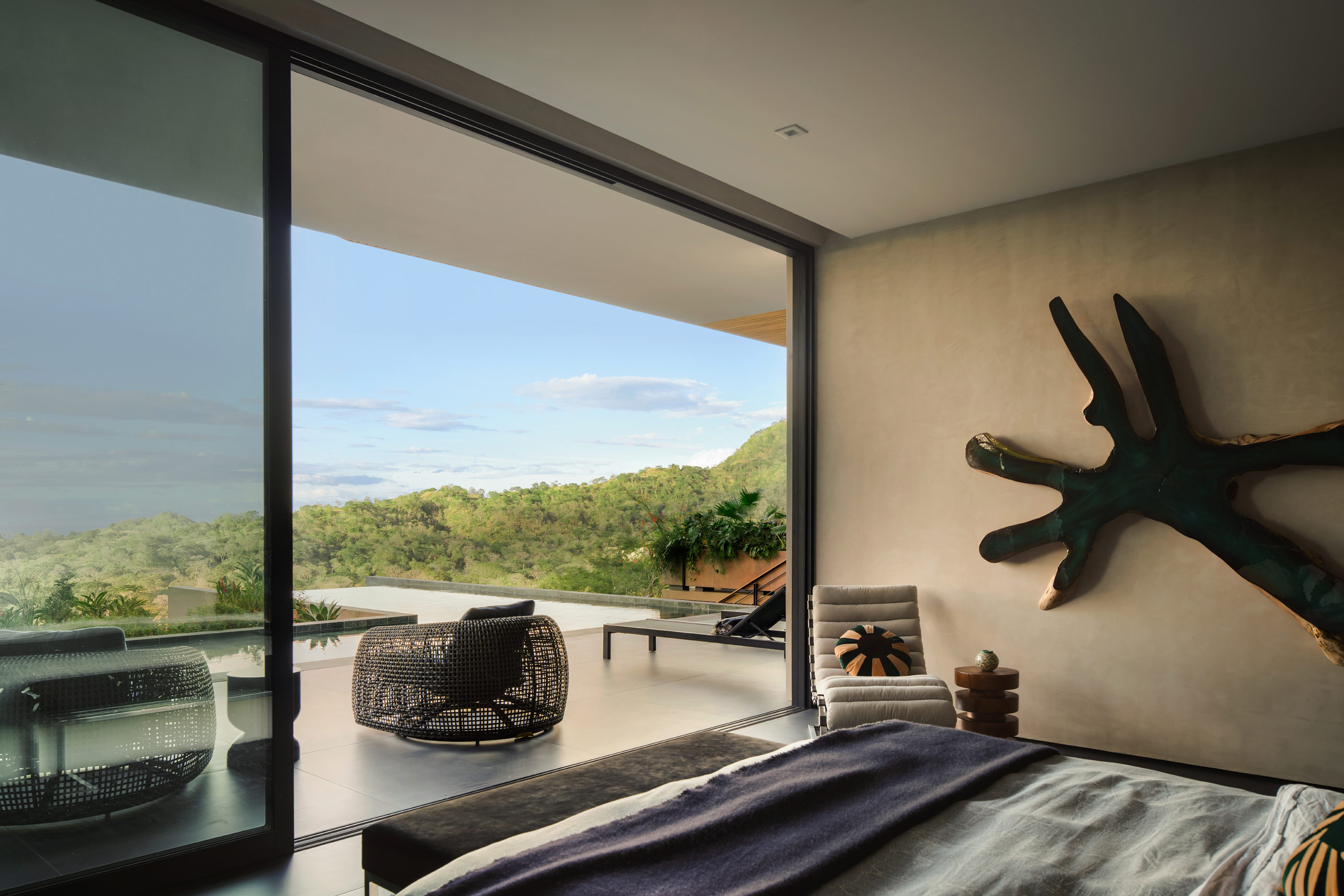
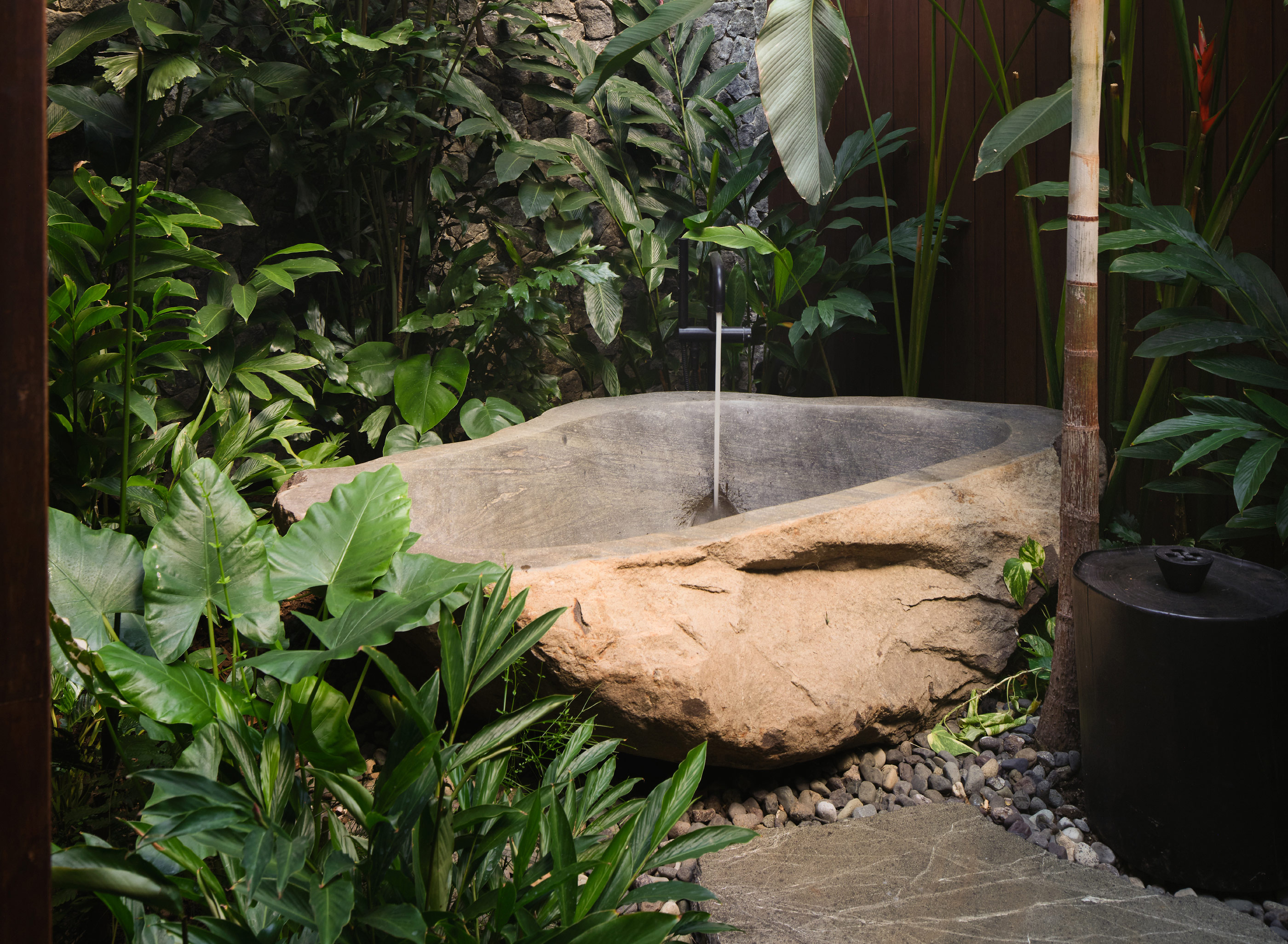
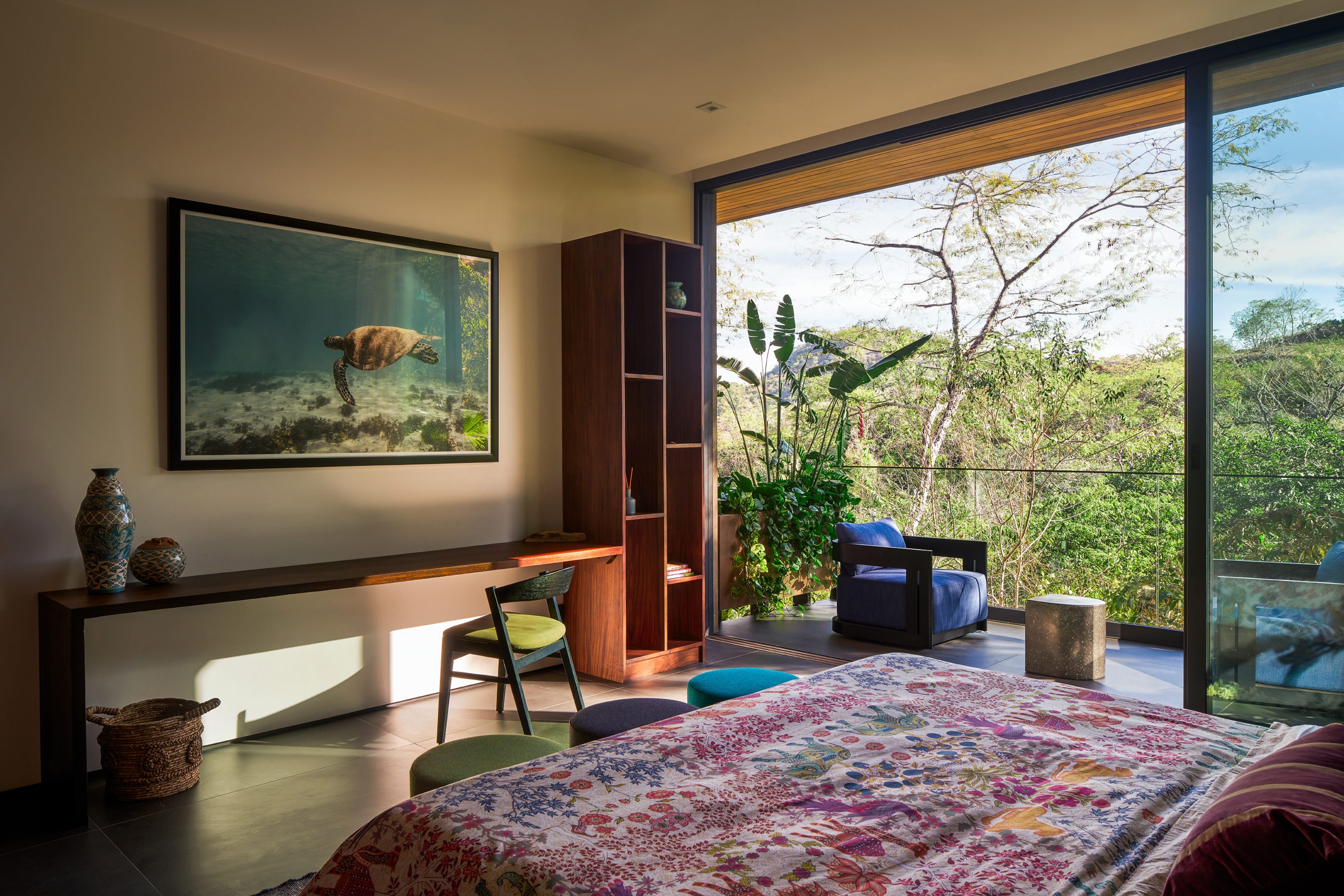
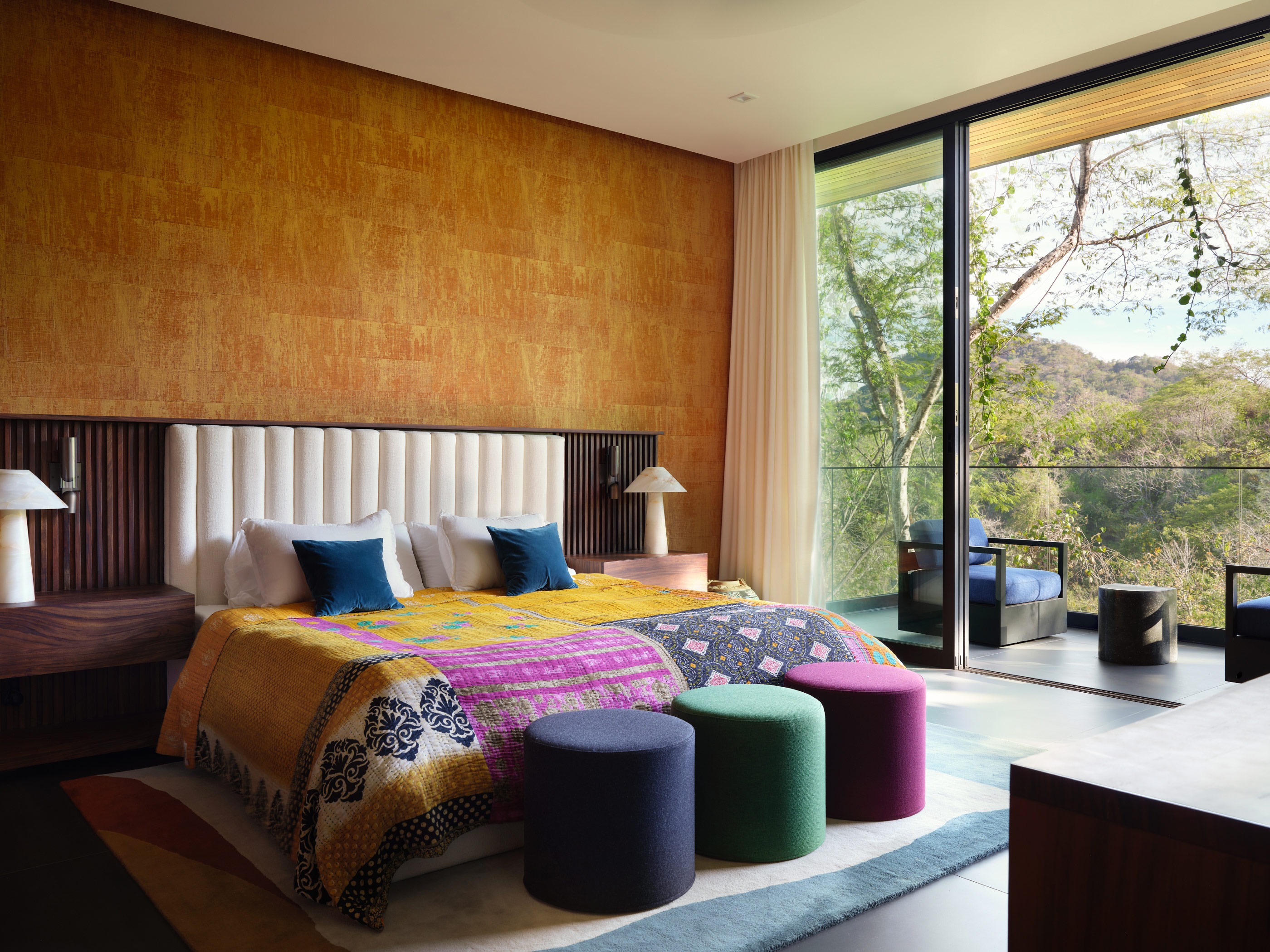
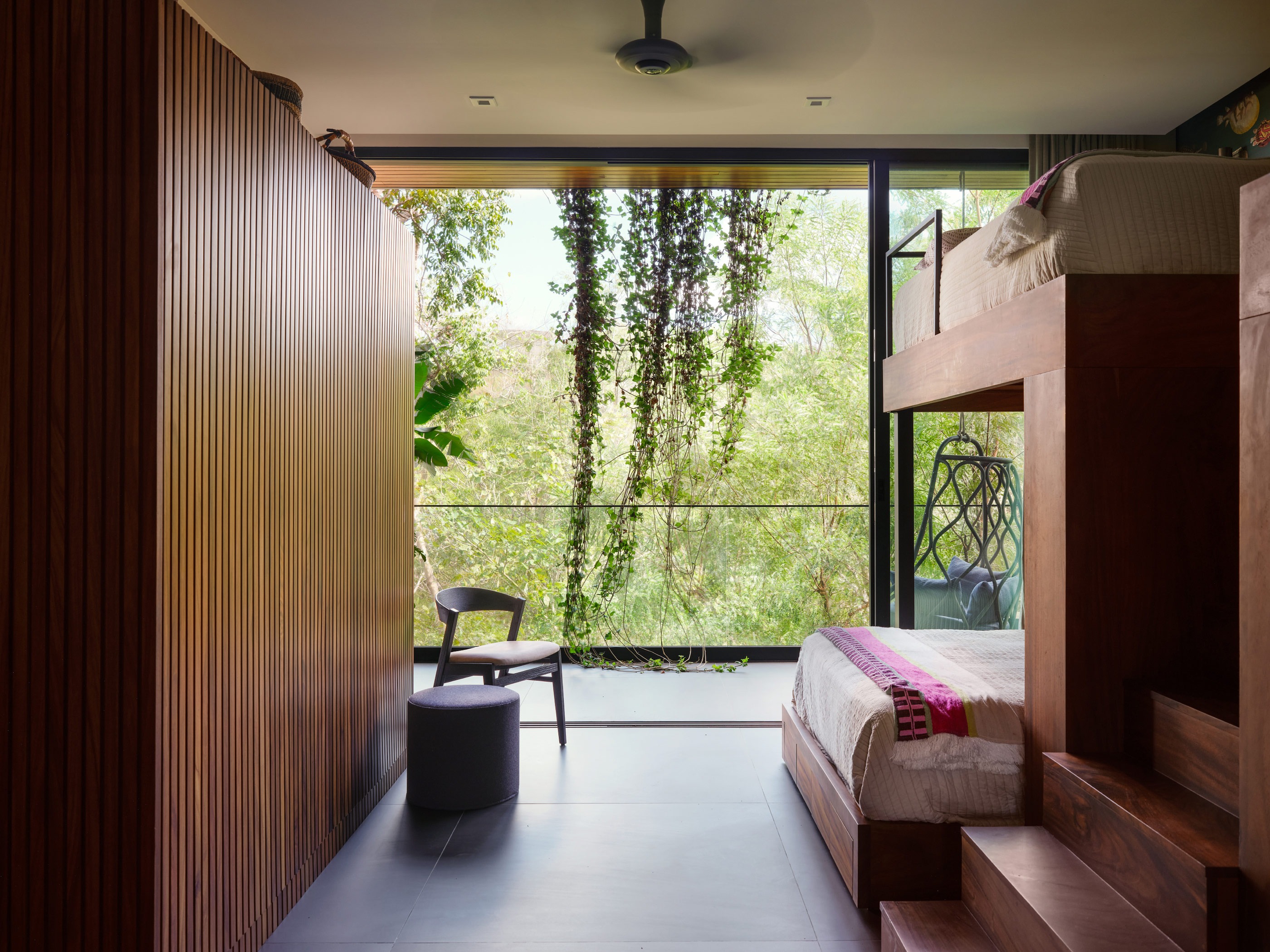
As one moves through the property, the architecture begins to unfold. The experience is defined by a close relationship with the jungle, where the house feels immersed within vegetation while still maintaining a distant connection to the ocean. It is this dual condition, being deeply within nature while looking outward to a broader horizon, that shapes the character of the home.
| Concept
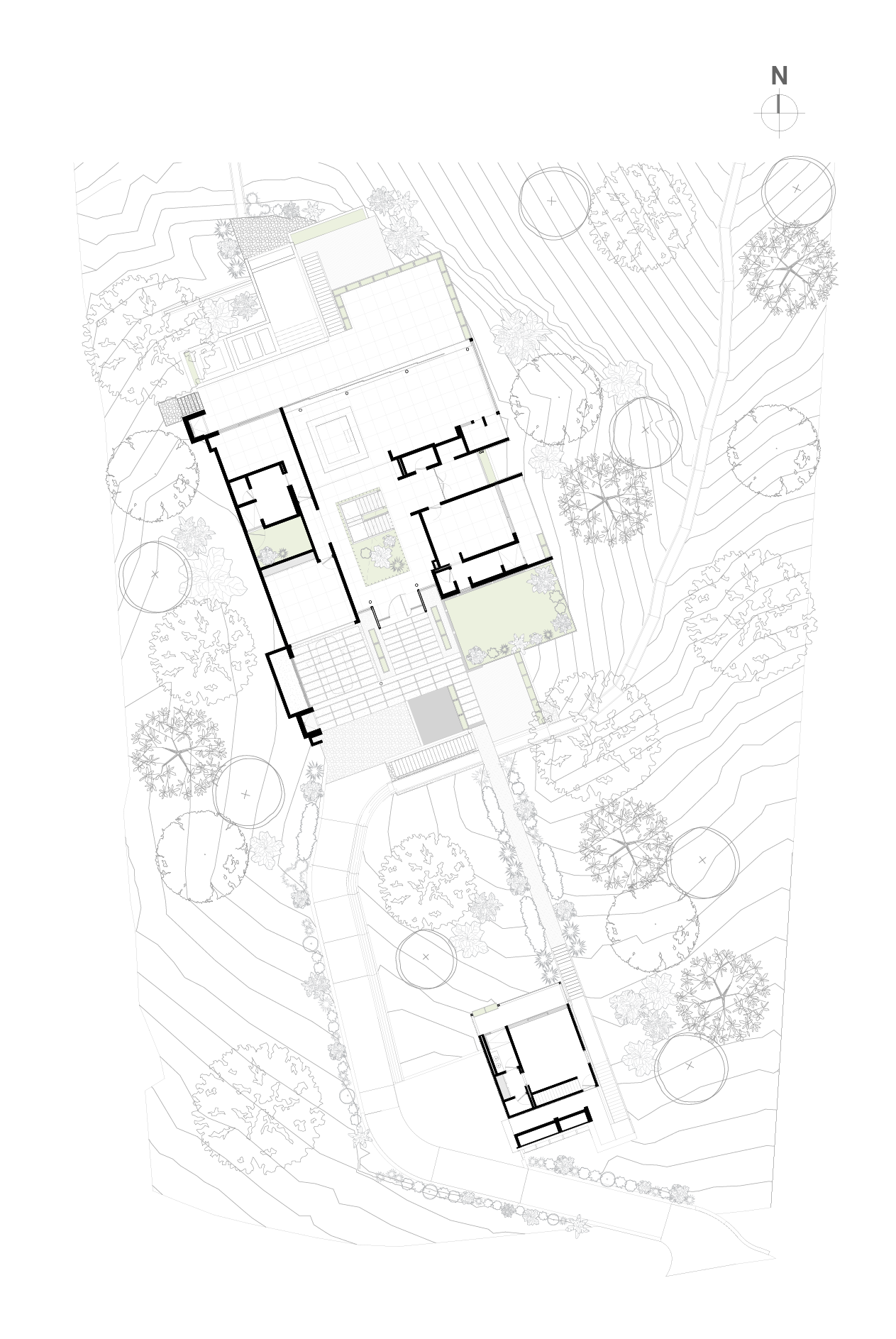
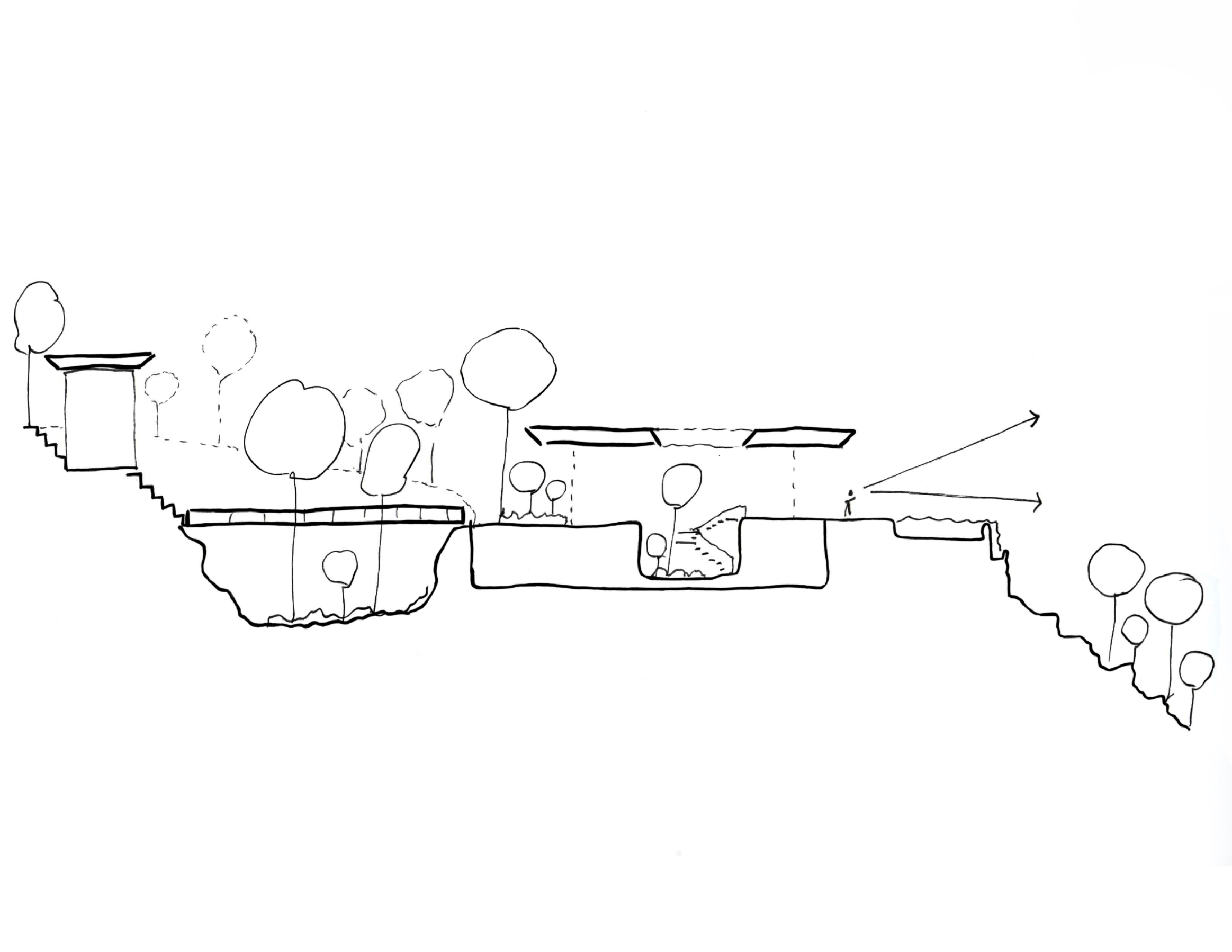
The project is grounded in the idea of constant discovery. There is no single moment where the house is fully understood. Instead, it reveals itself through movement, through walking, and through time. As part of this, the architecture anchors itself within the natural topographical levels of the site, descending with the terrain and allowing each platform to engage directly with the landscape. This creates a sequence of spaces that are not imposed on the land, but rather emerge from it.
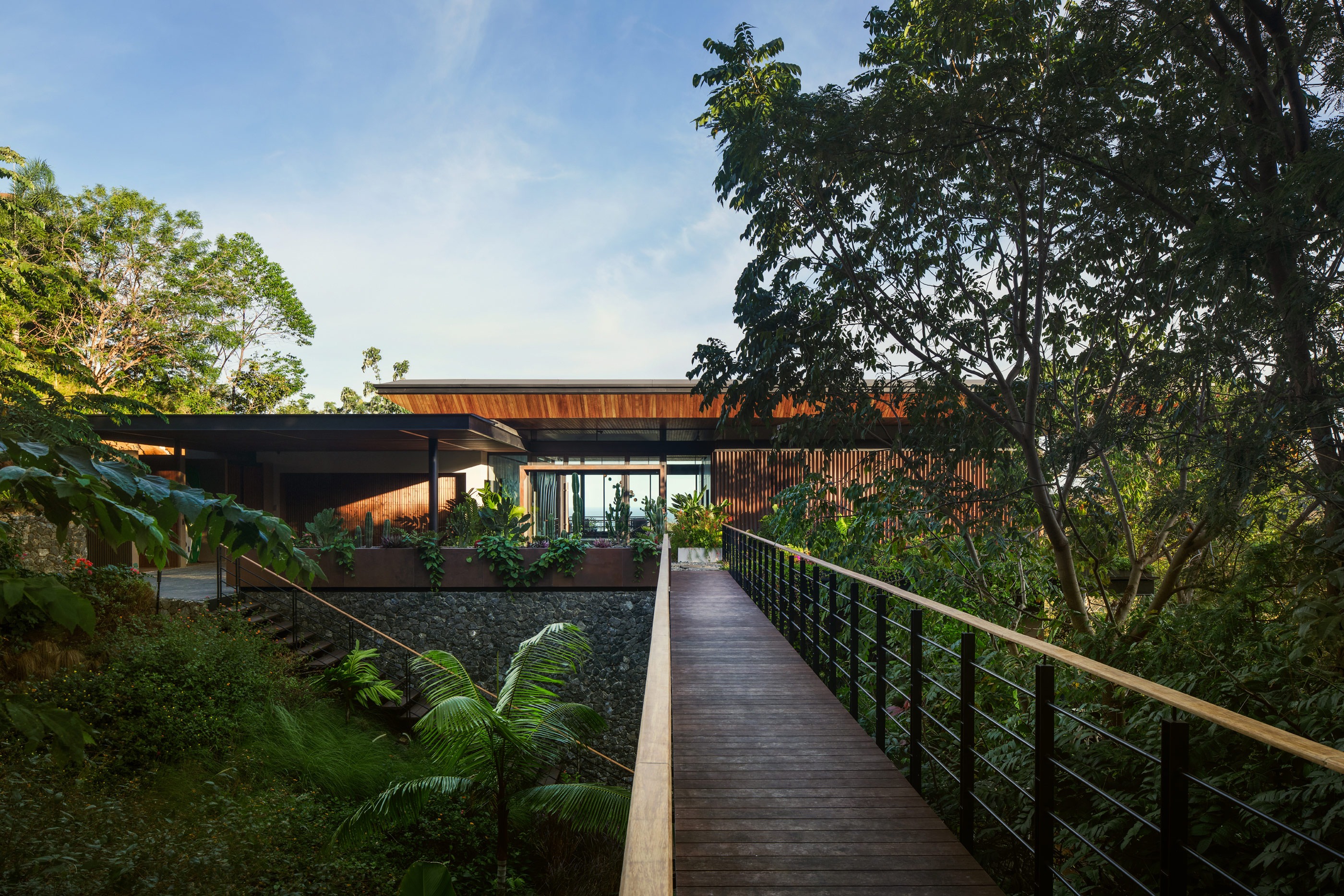
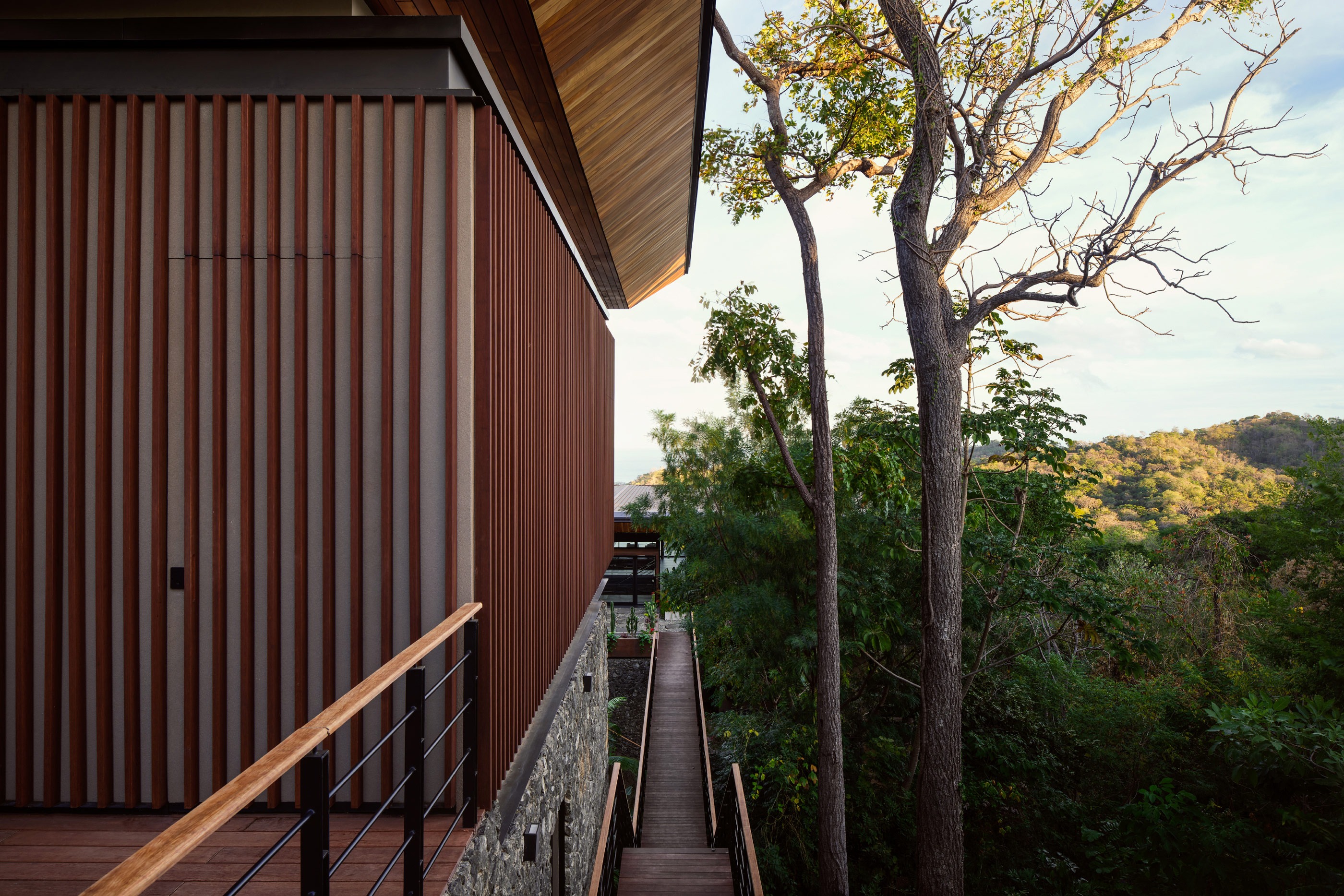
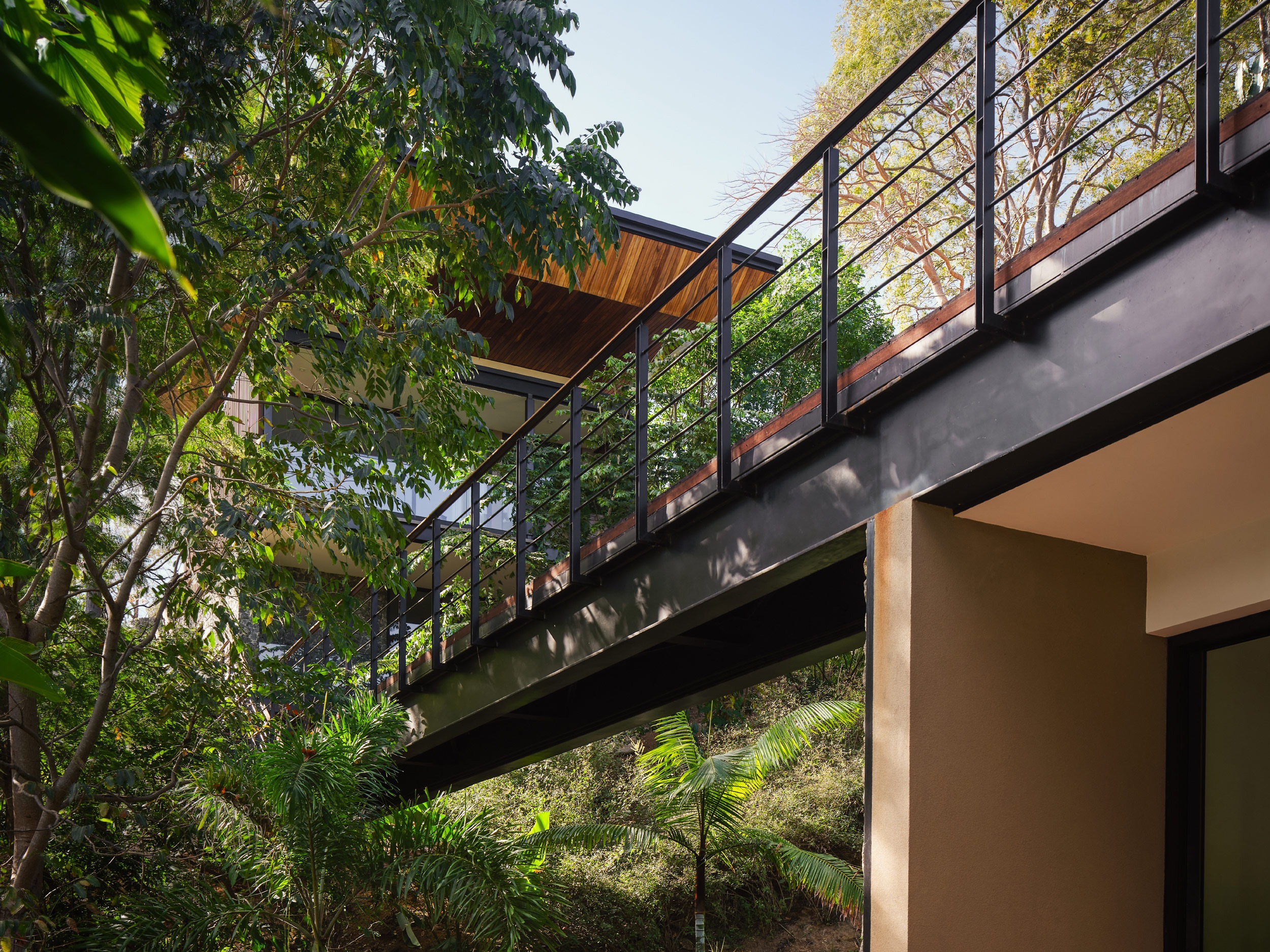
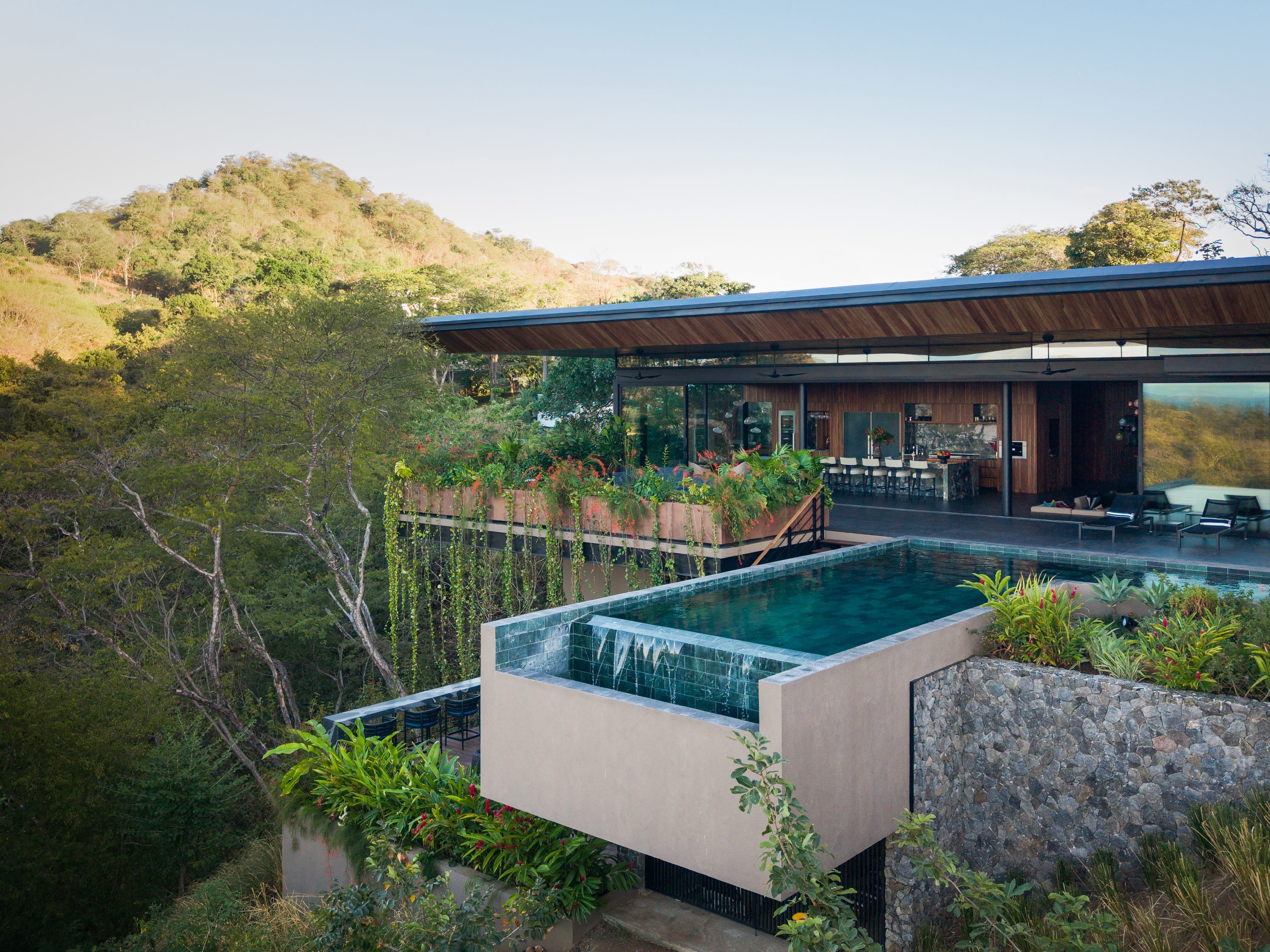
Two primary structures are positioned across the site, connected by a bridge that allows one to move through the landscape rather than over it. This passage becomes more than circulation. It is a moment of awareness, where one is suspended within nature, observing the surrounding environment, the vegetation, the wildlife, and the shifting light.
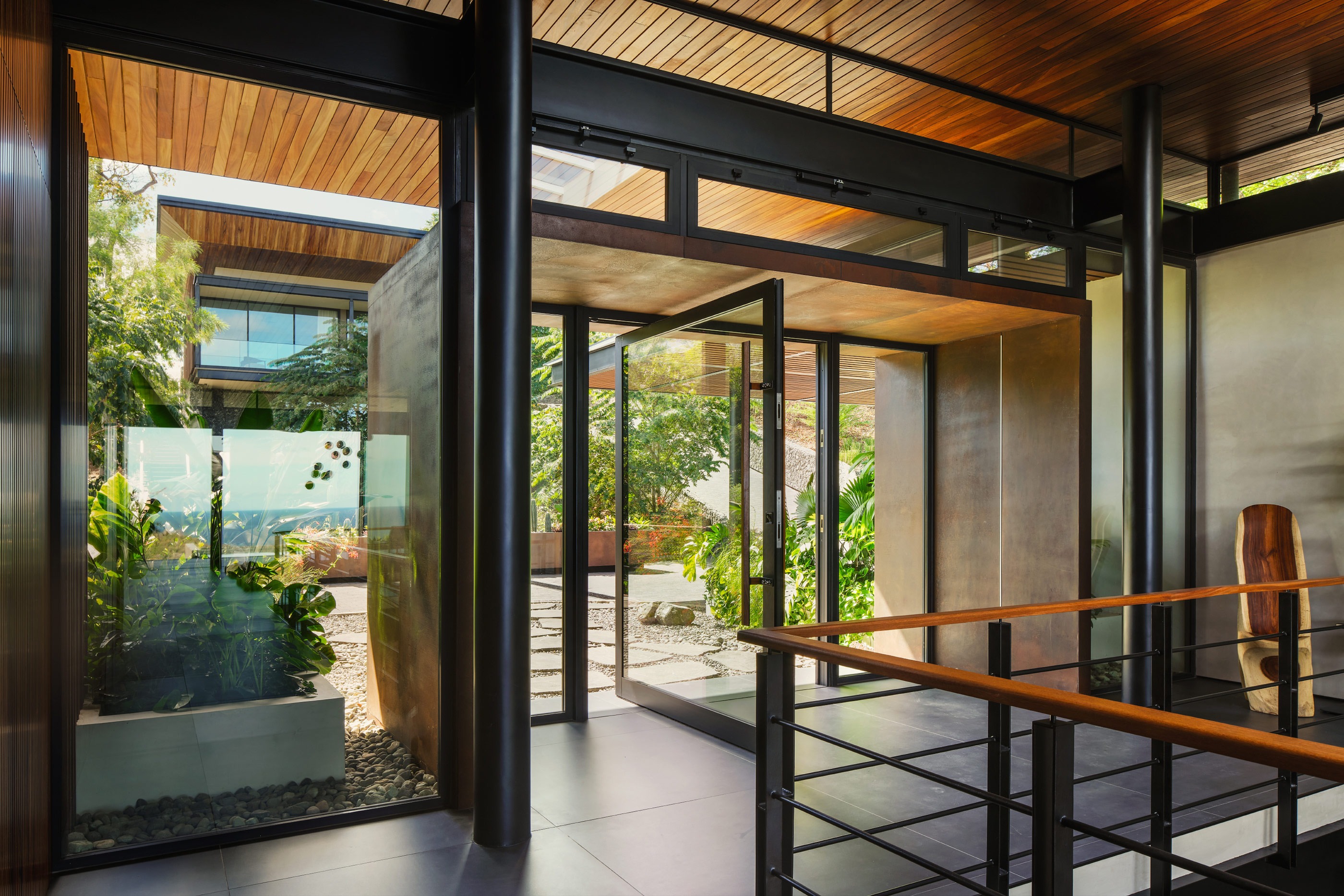
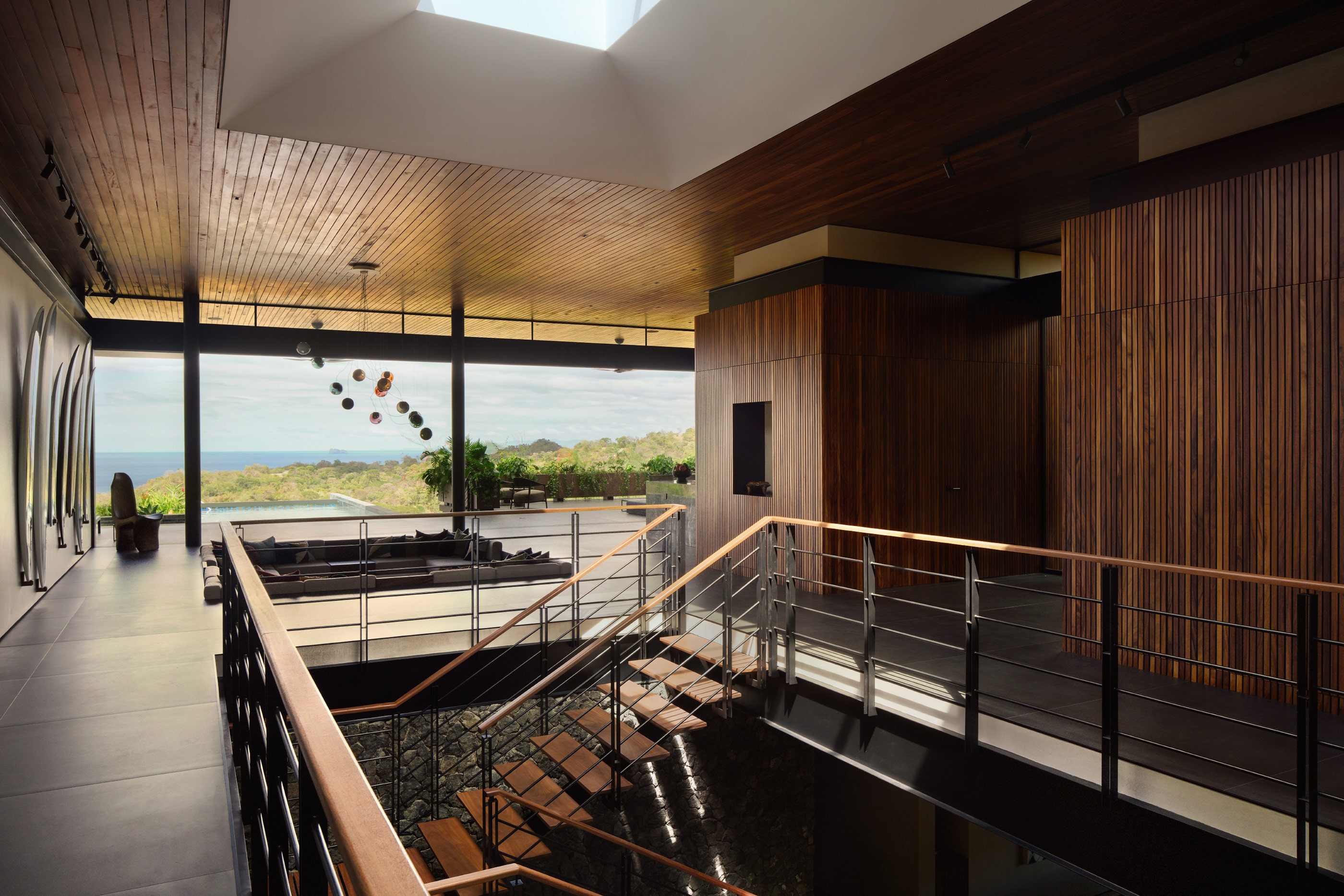
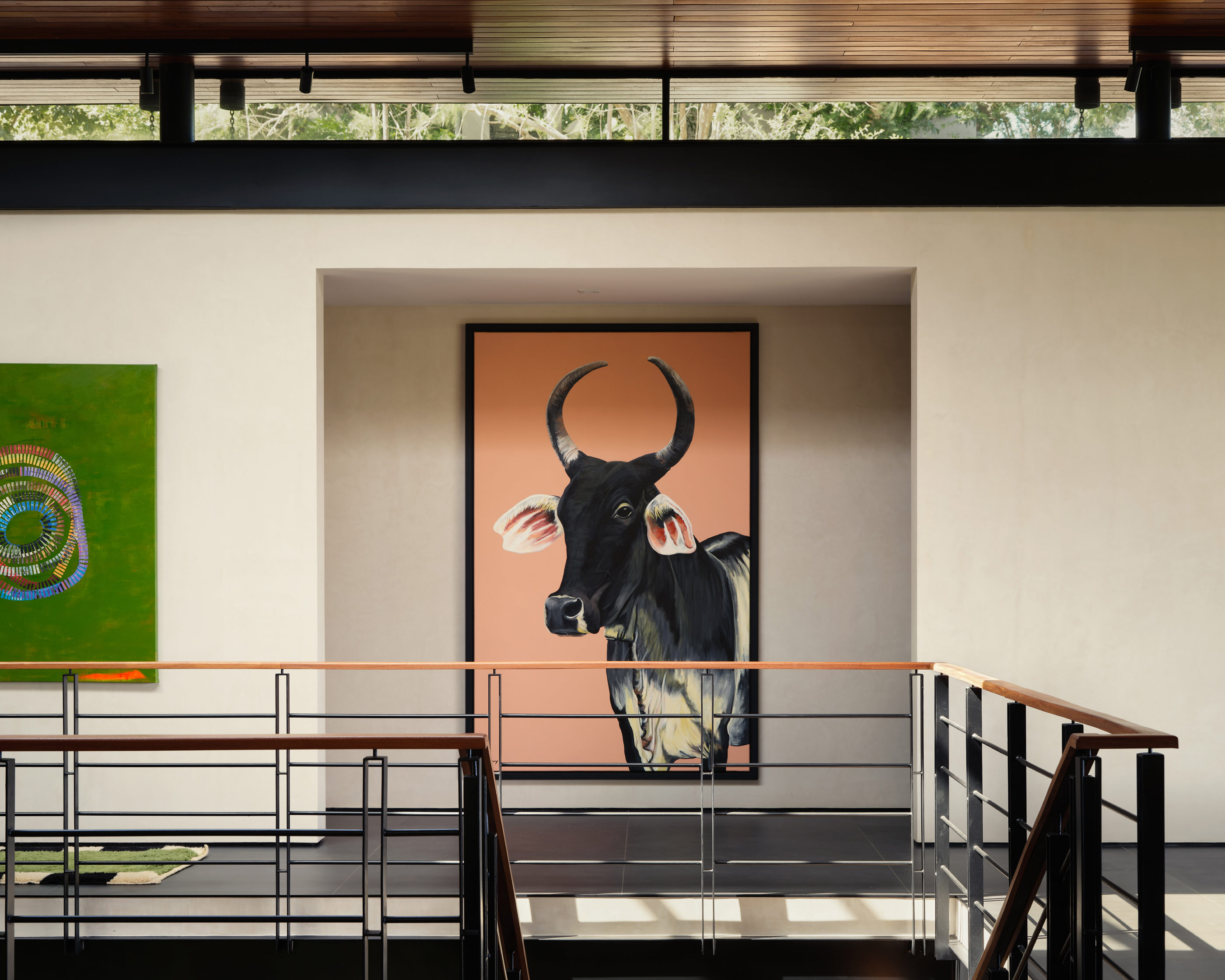
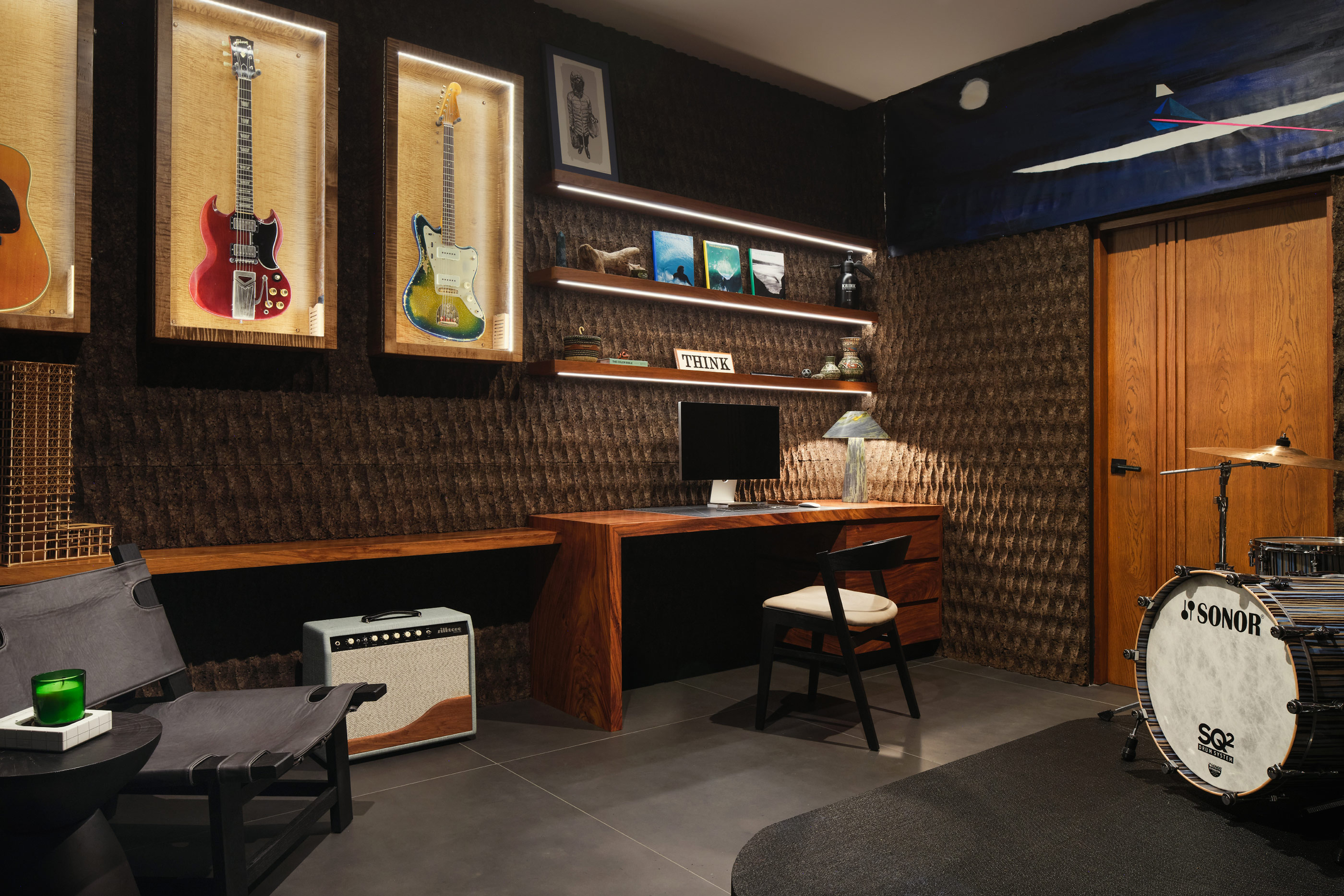
Even within the house, this sense of discovery continues. Moving from one space to another brings new perspectives, new openings, and unexpected connections to the outdoors. The architecture is designed to feel alive in this way, always offering something slightly different, something not entirely predictable.
| Design
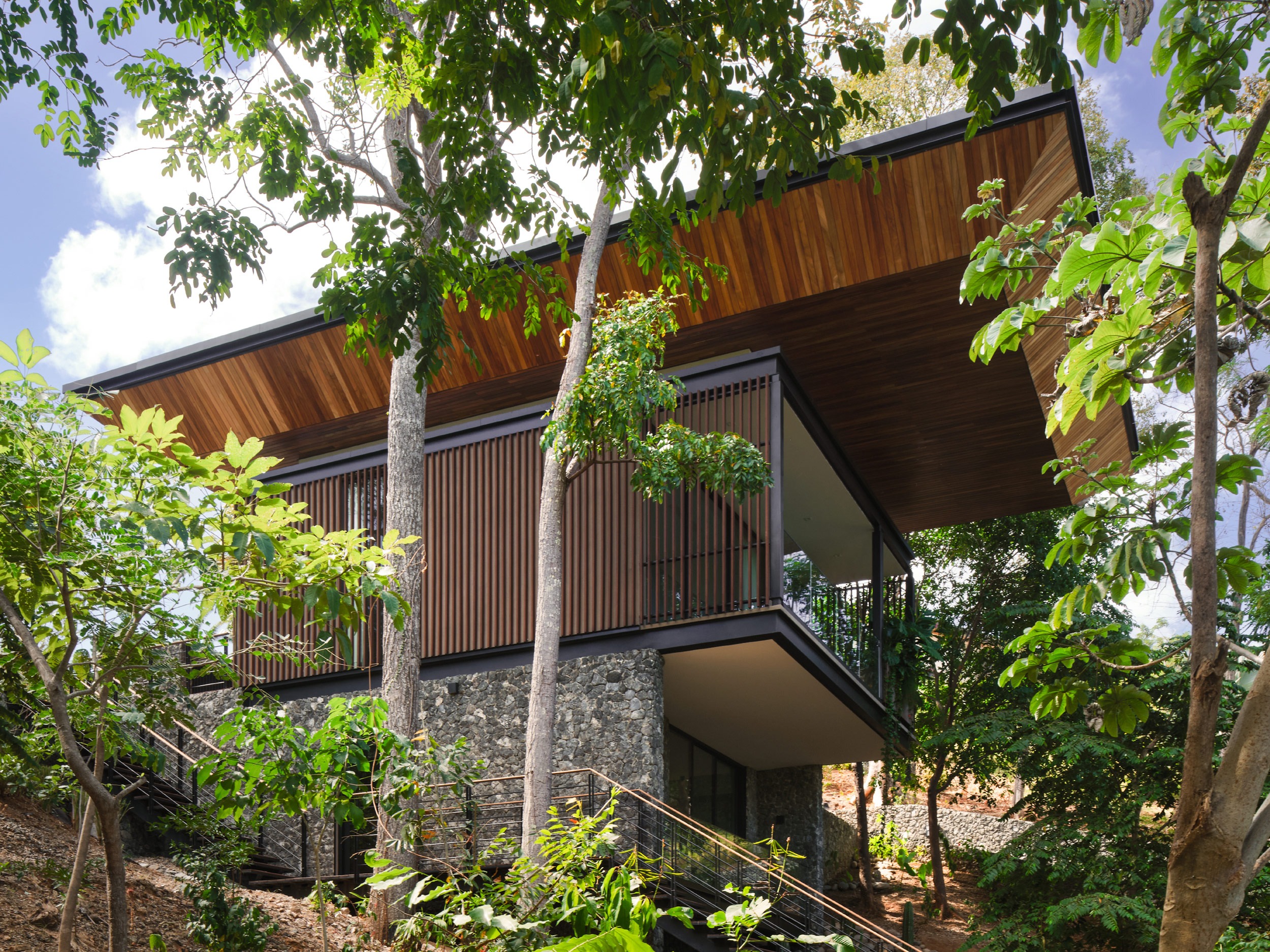
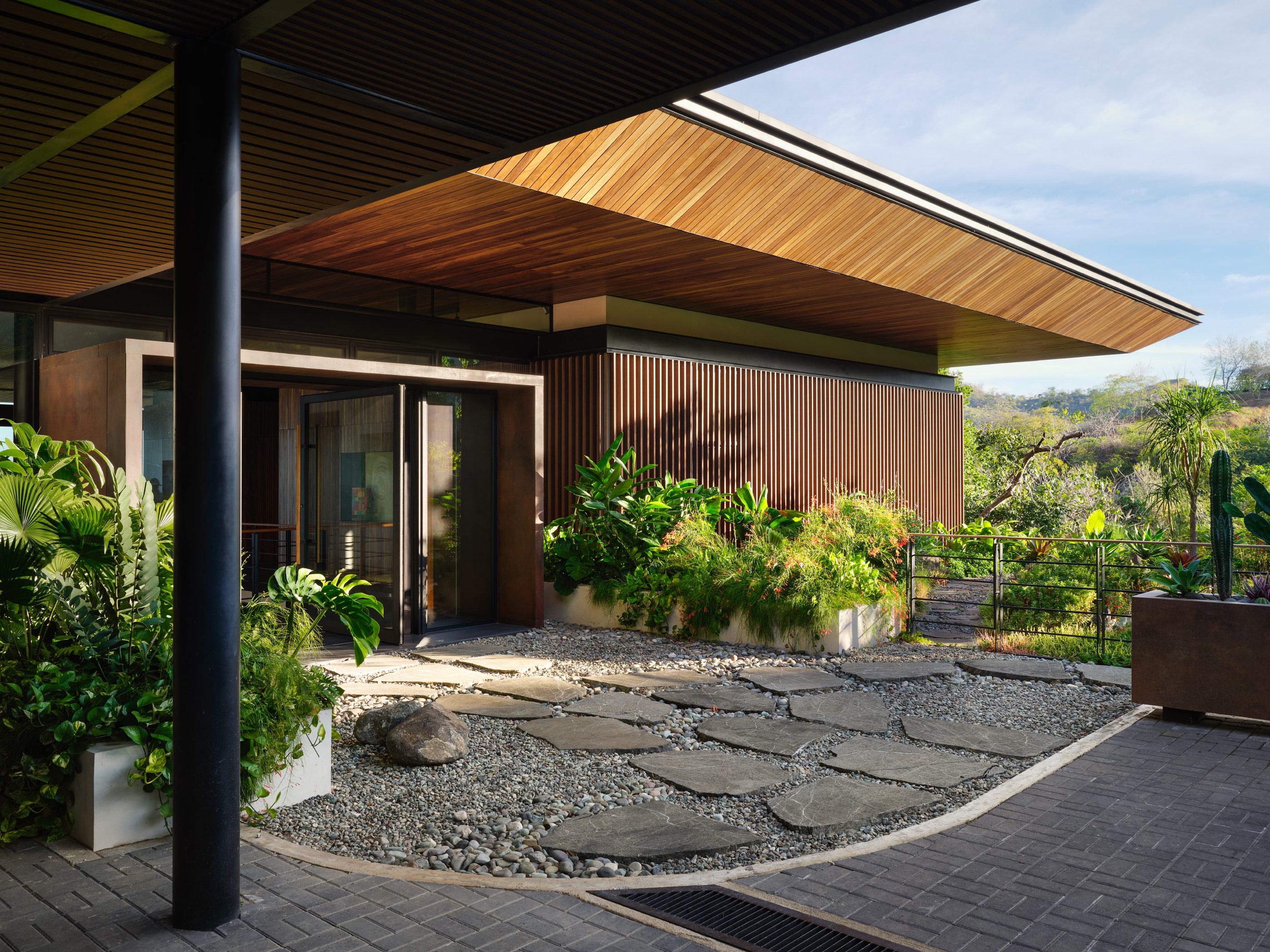
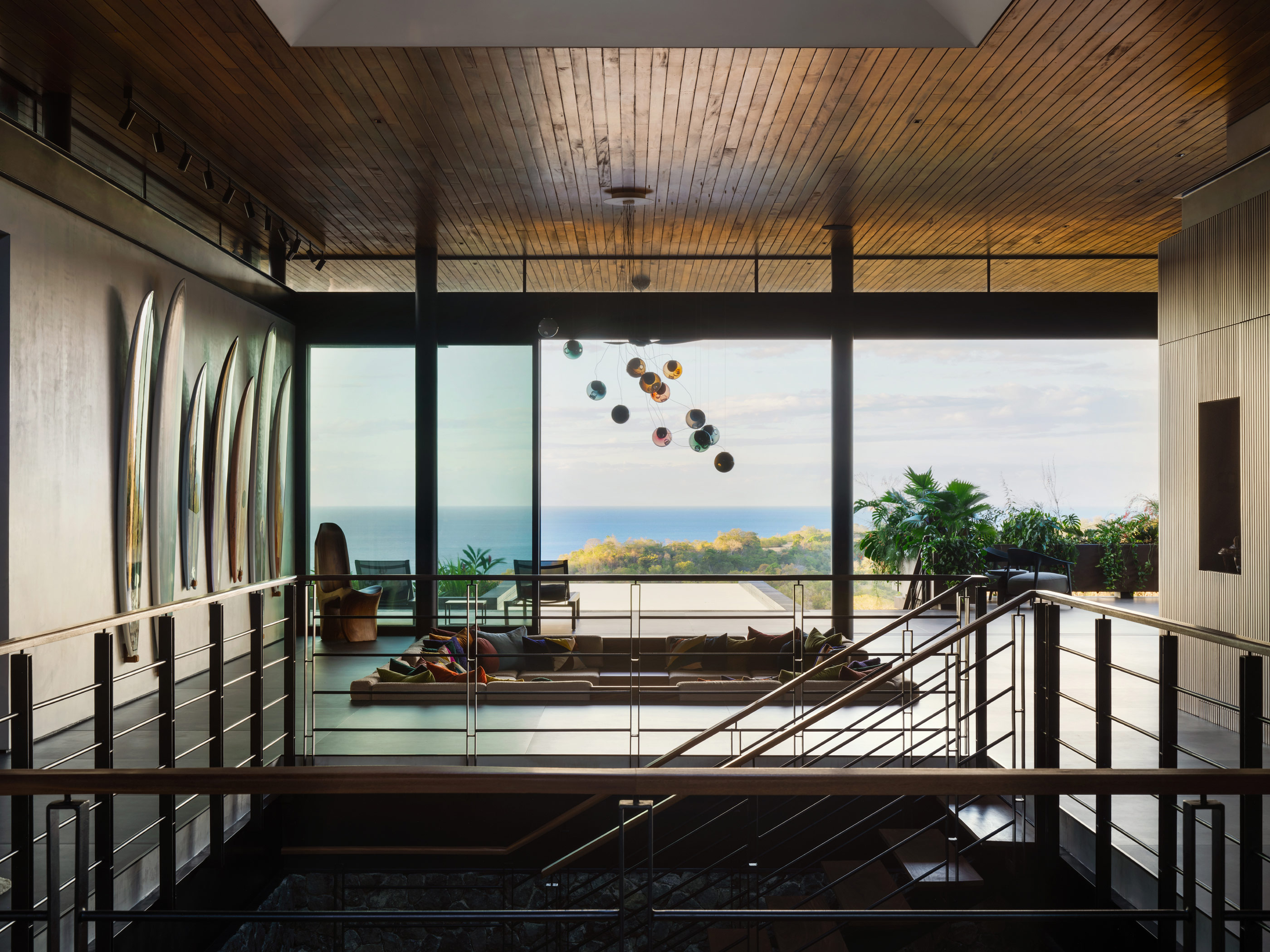
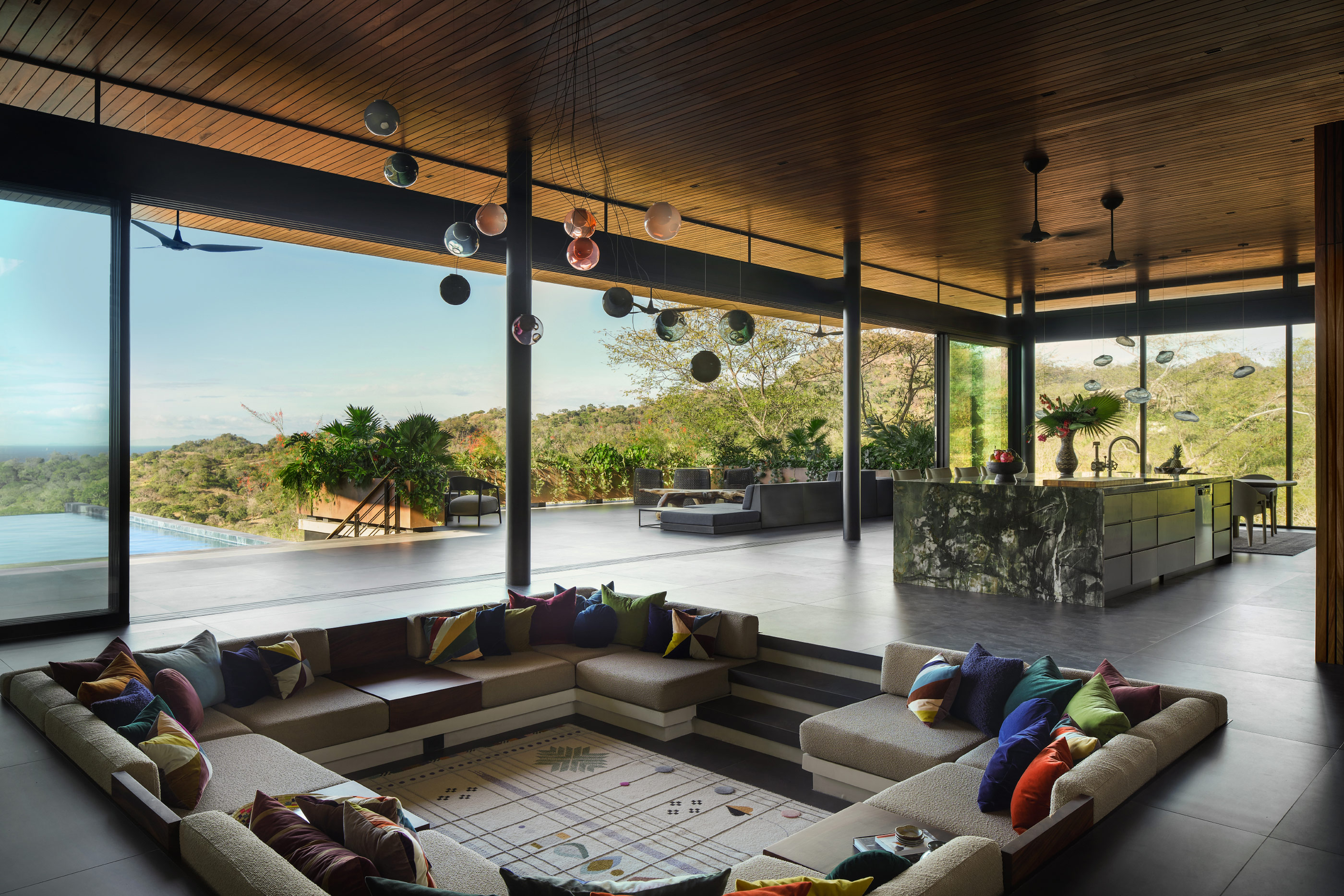
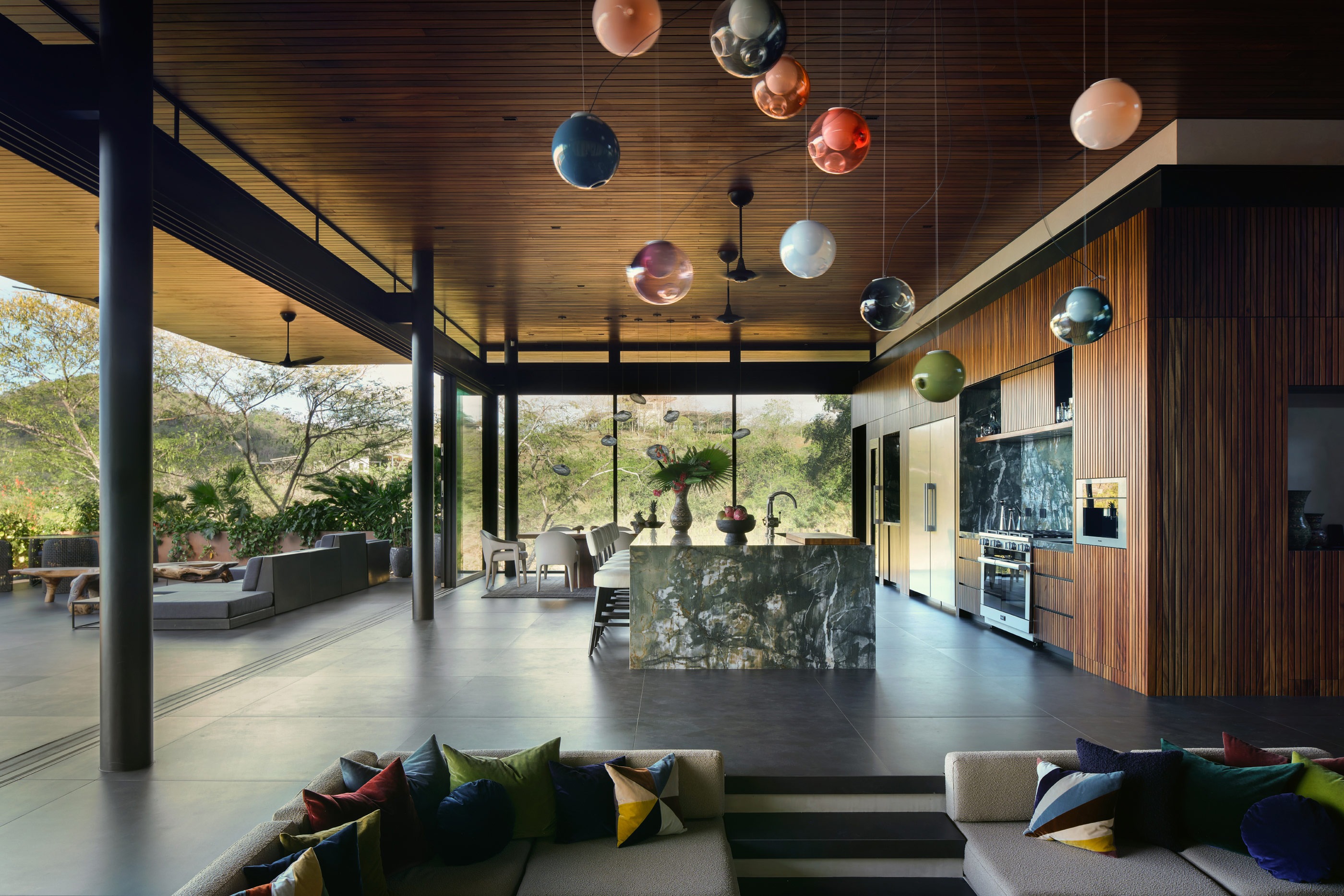
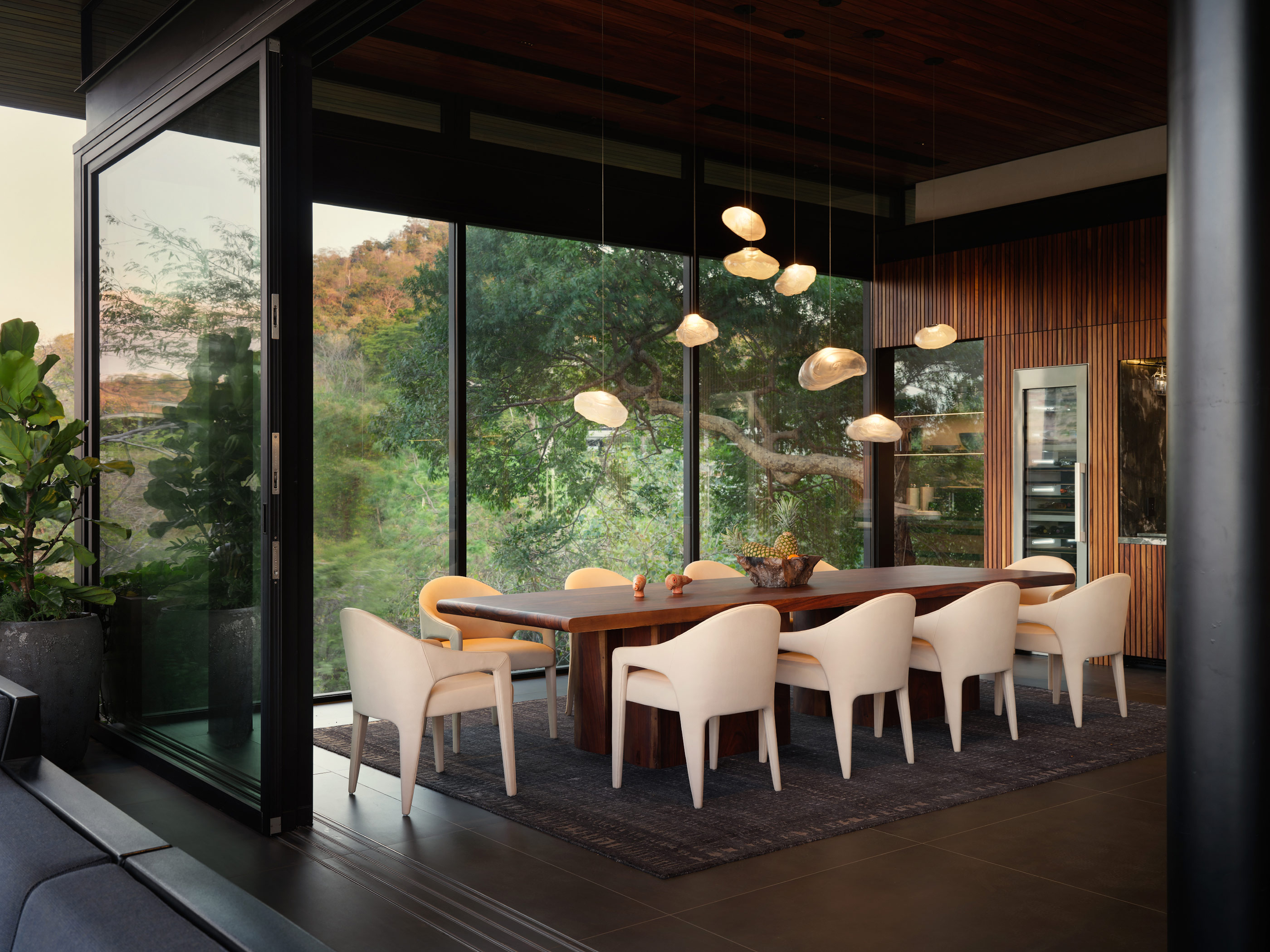
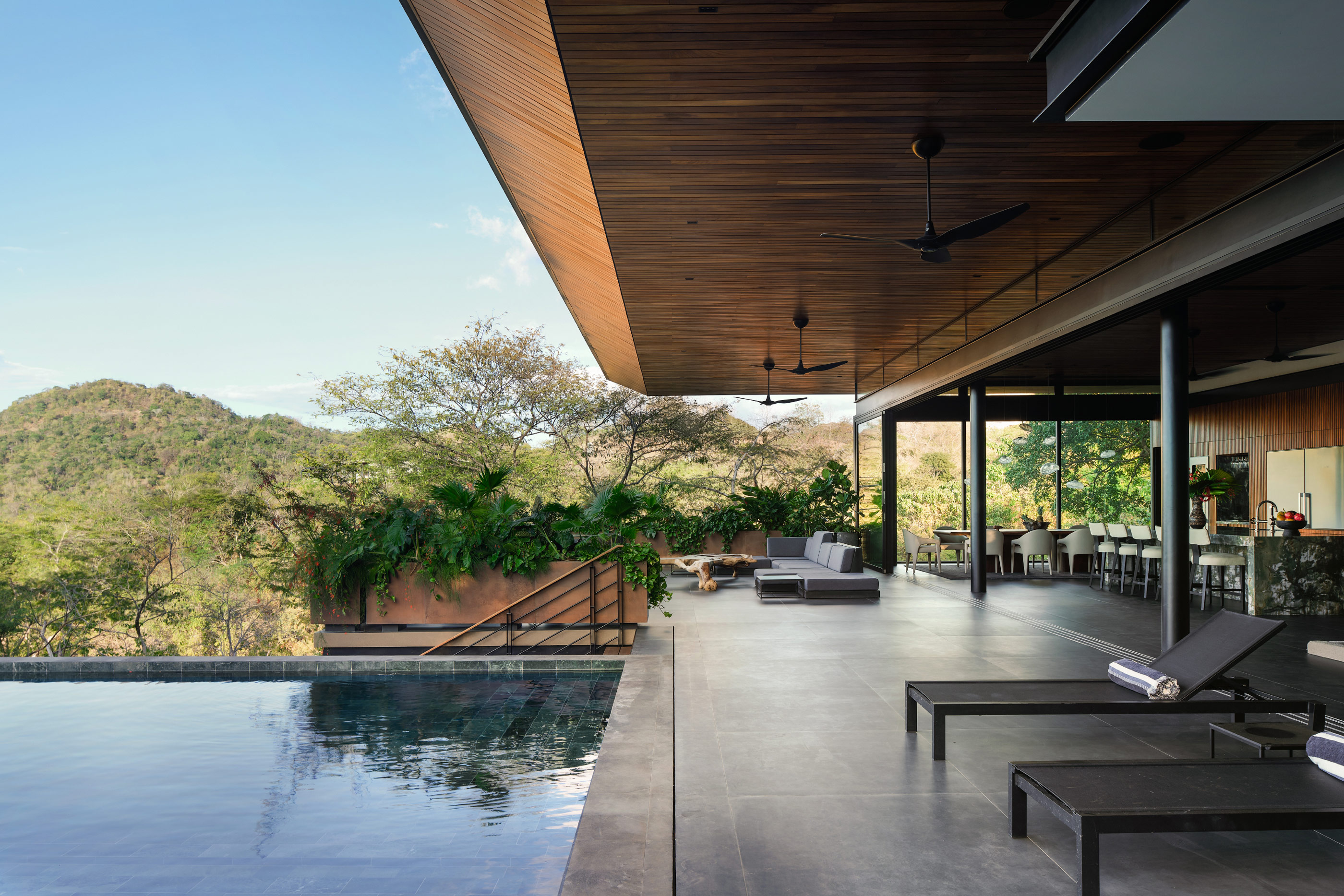
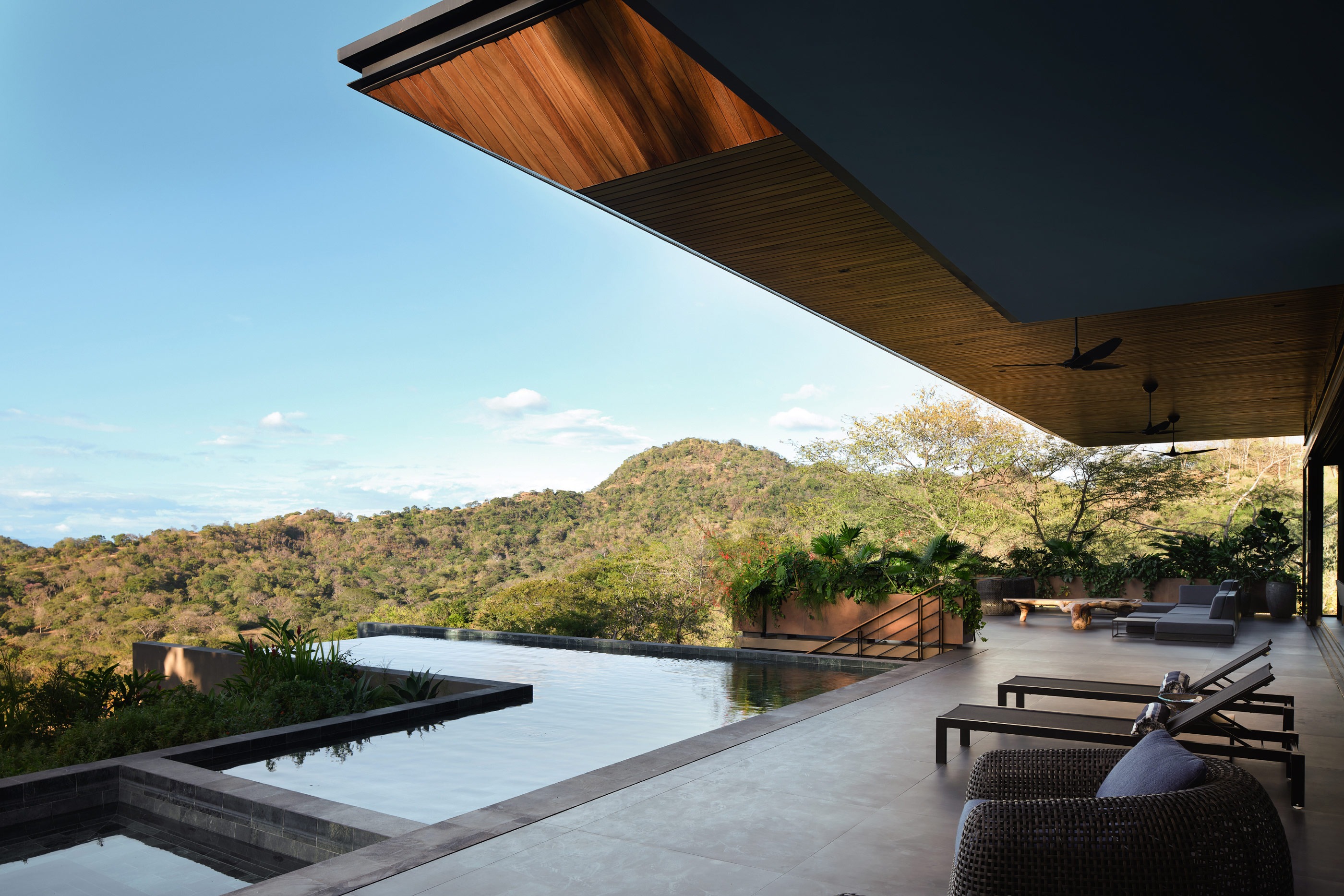
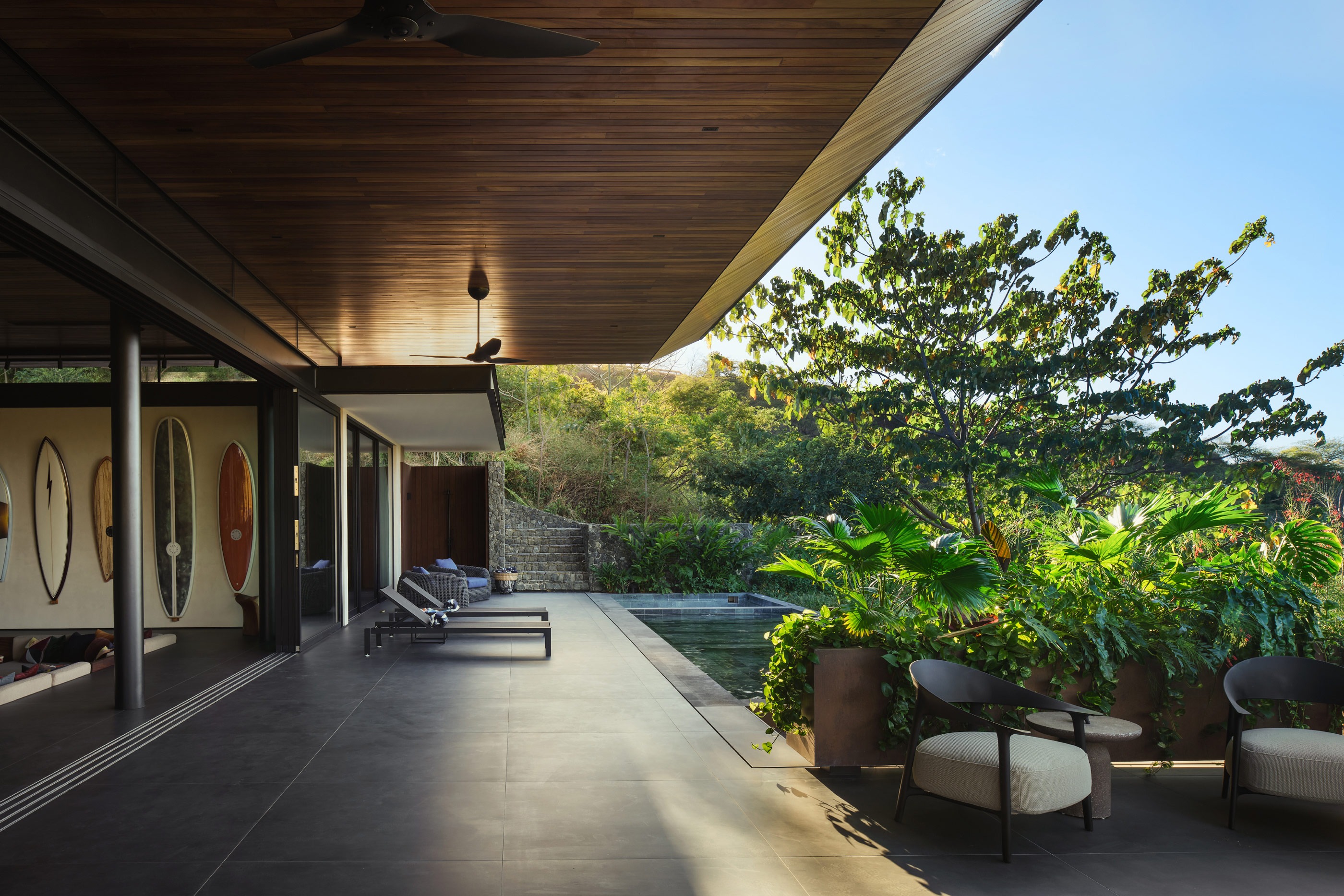
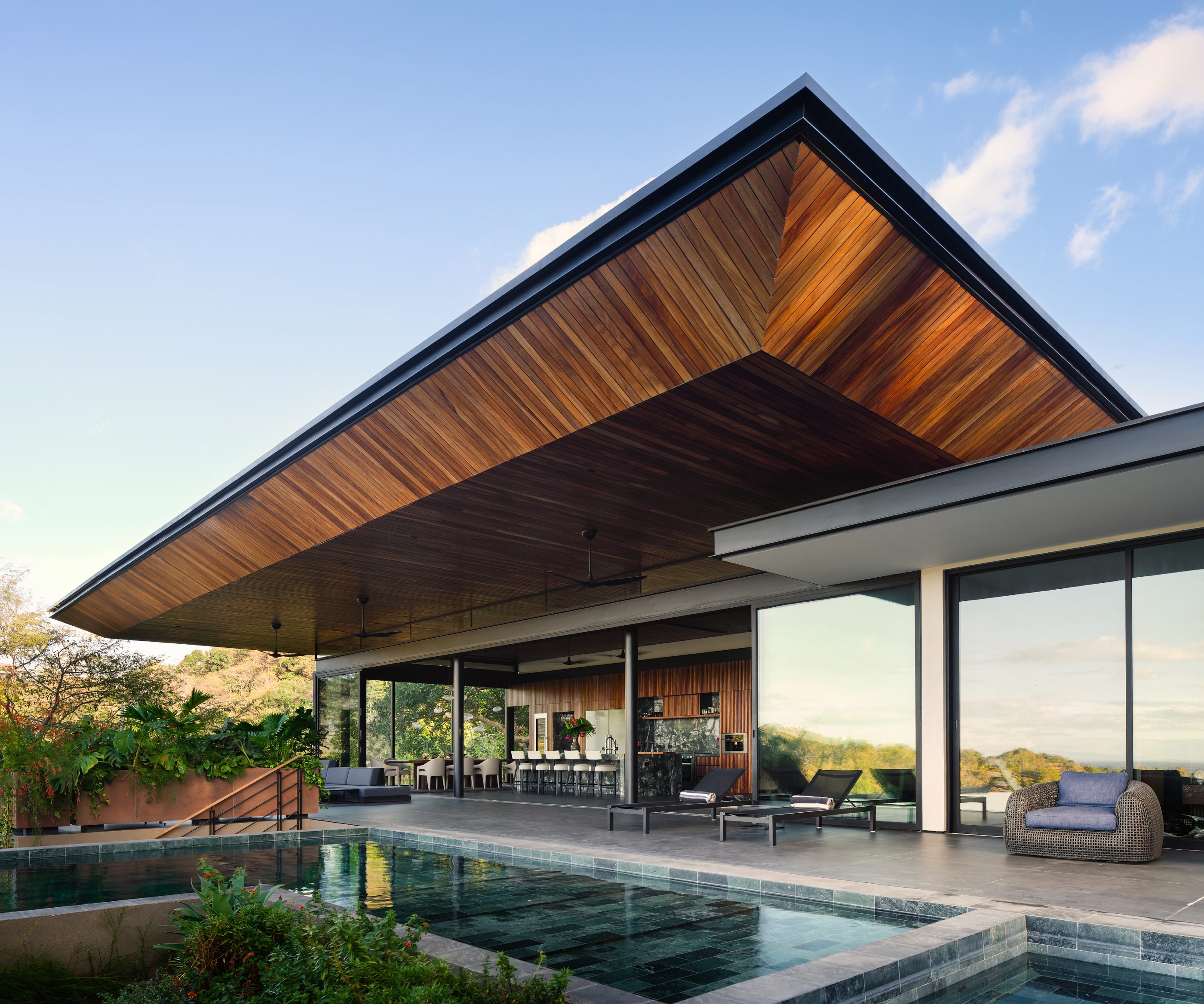
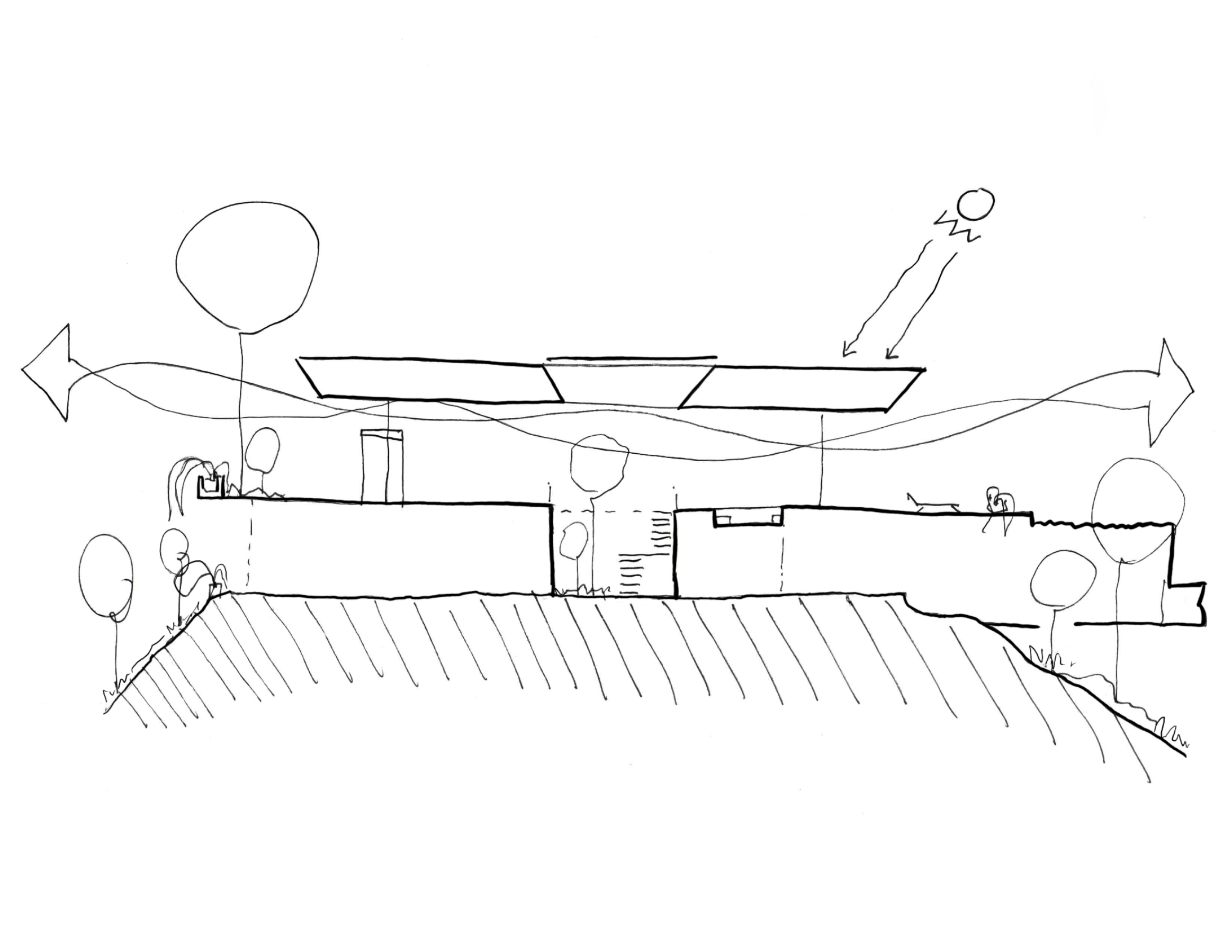
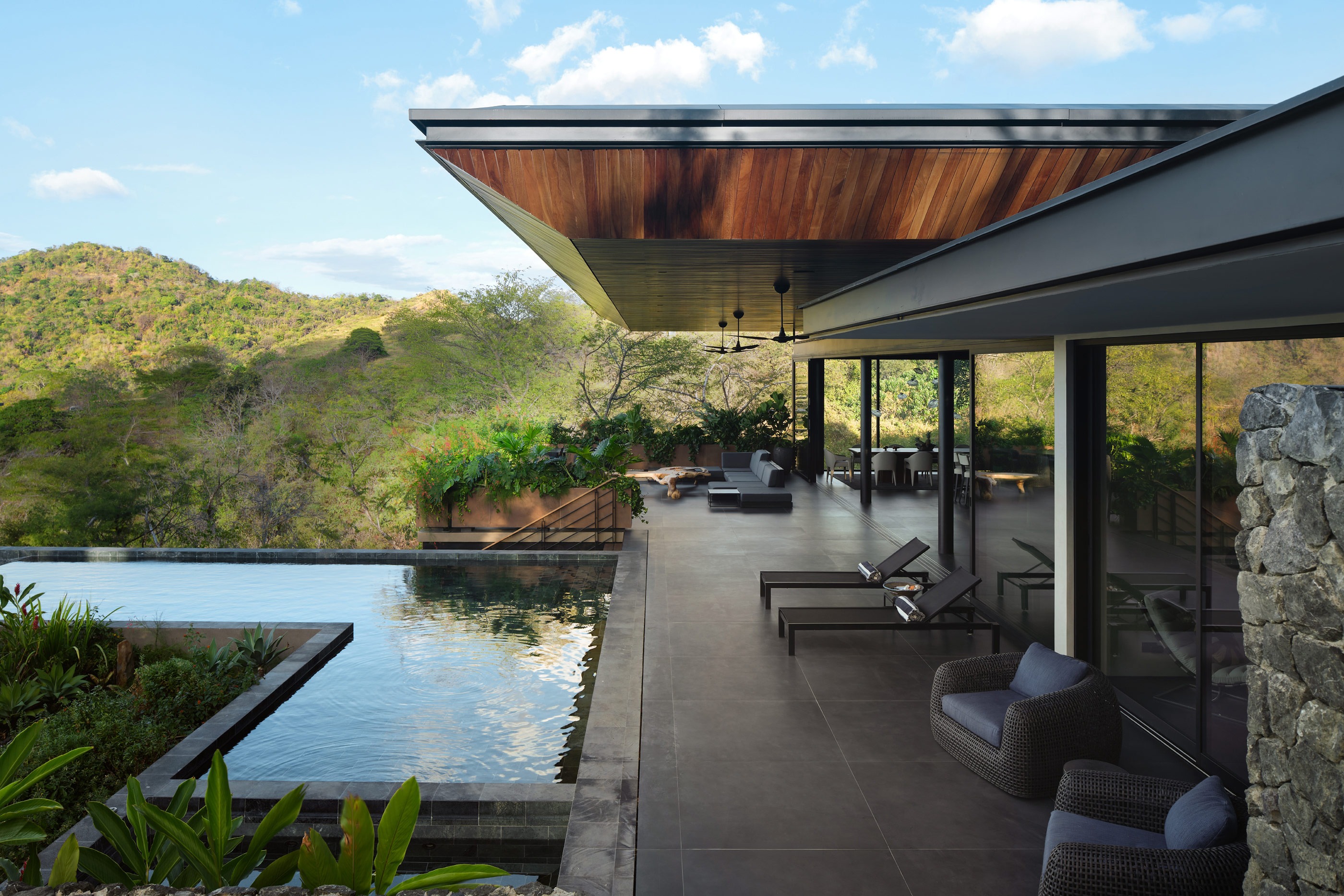
The house is partially embedded into the terrain, allowing the roof to become the most present architectural gesture. This floating roofline extends across the volumes, creating a protective layer that shelters the interior while dissolving the boundary between inside and outside.
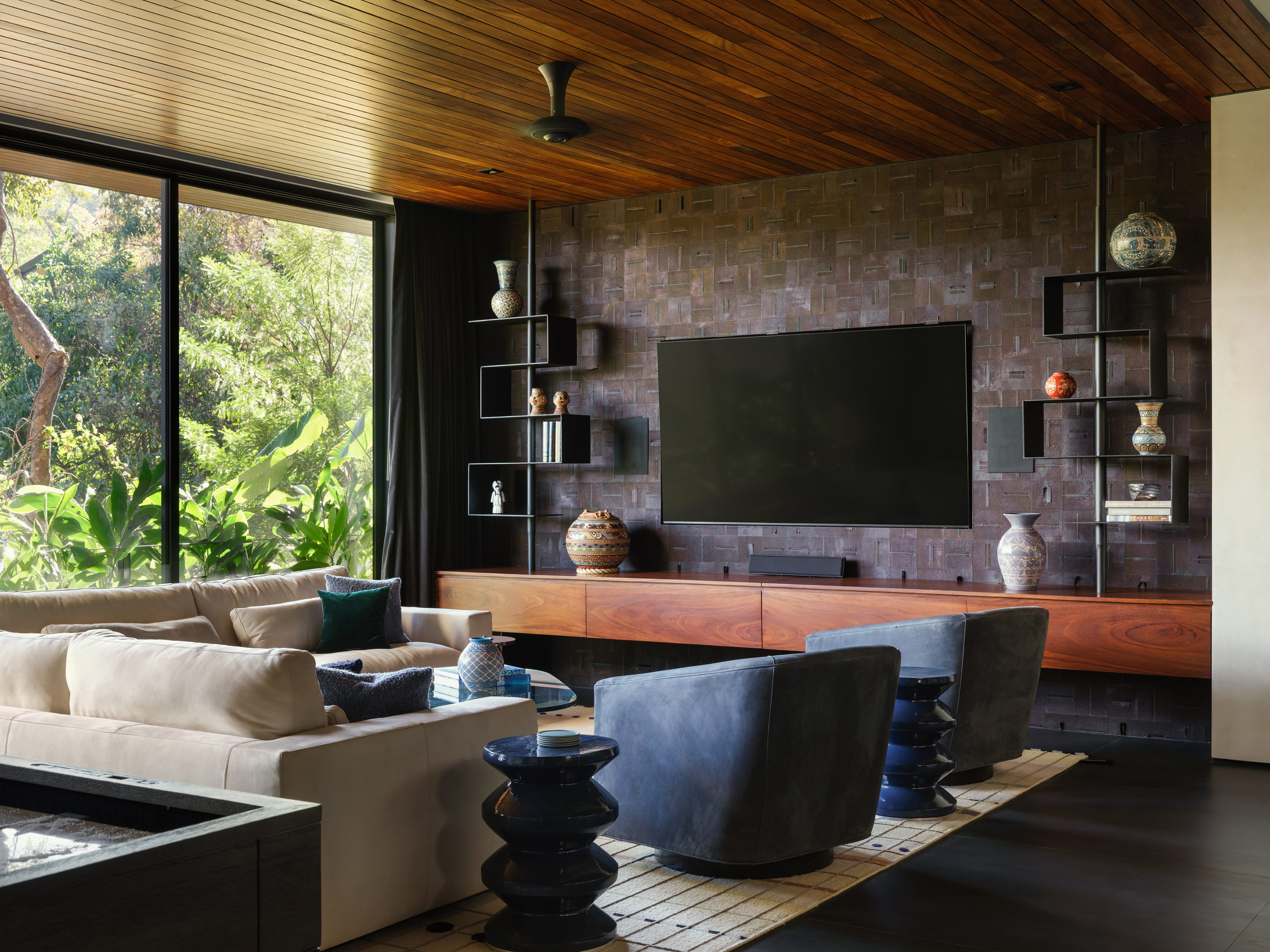
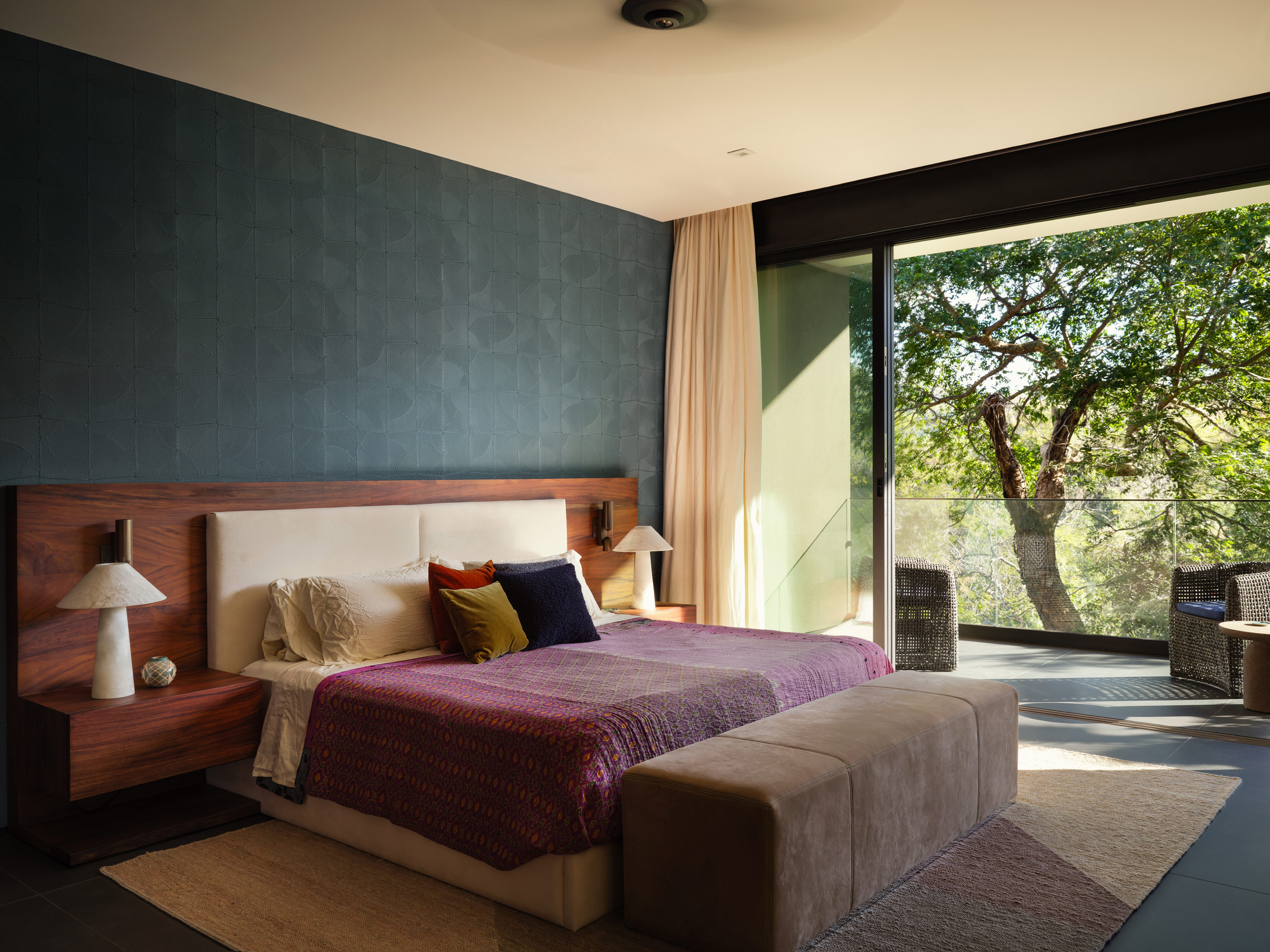
Natural light is allowed to enter generously, filling the spaces throughout the day. Openings are carefully positioned not only to frame views but to allow air to move freely through the home. This creates an environment that feels open, breathable, and constantly connected to its surroundings.
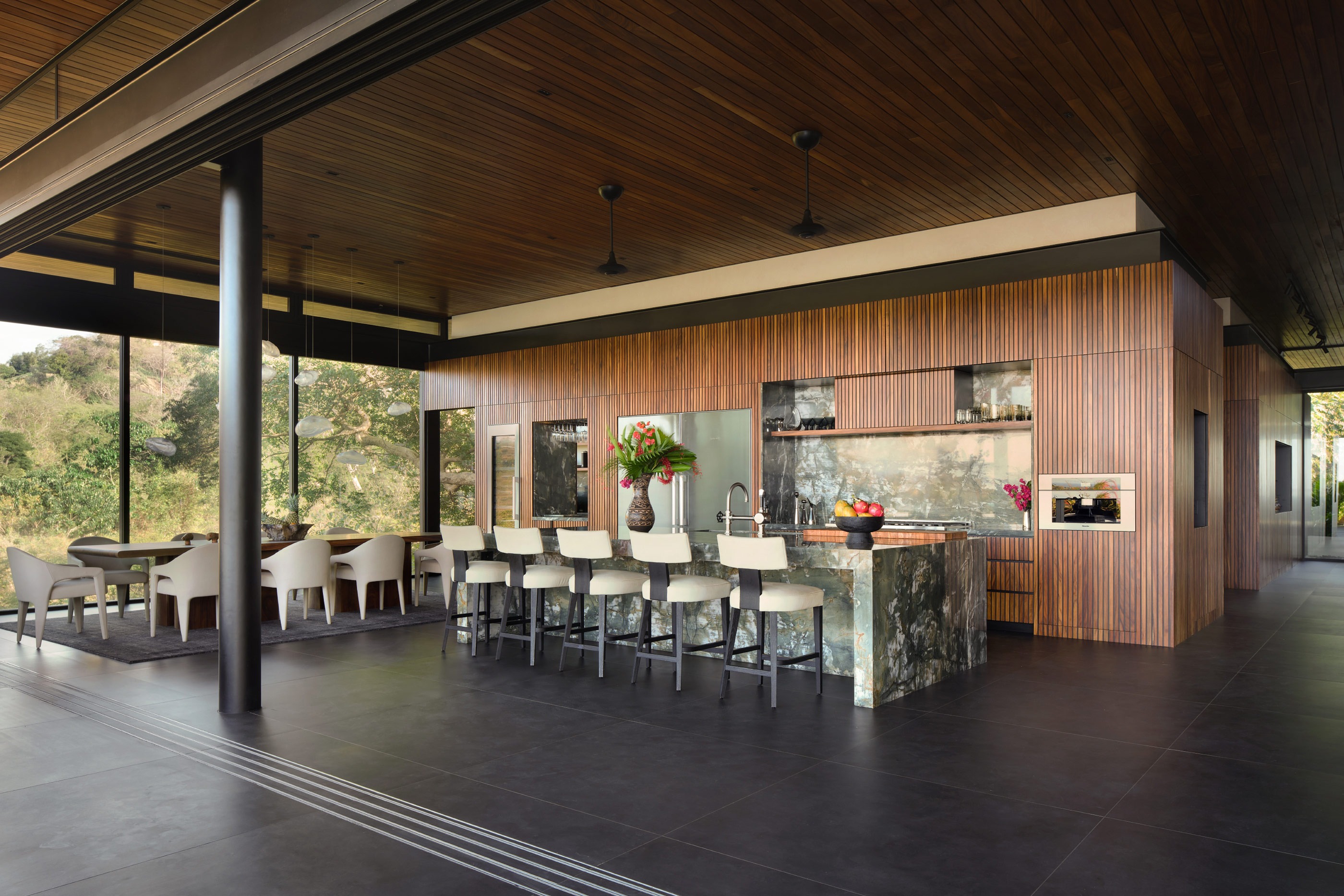
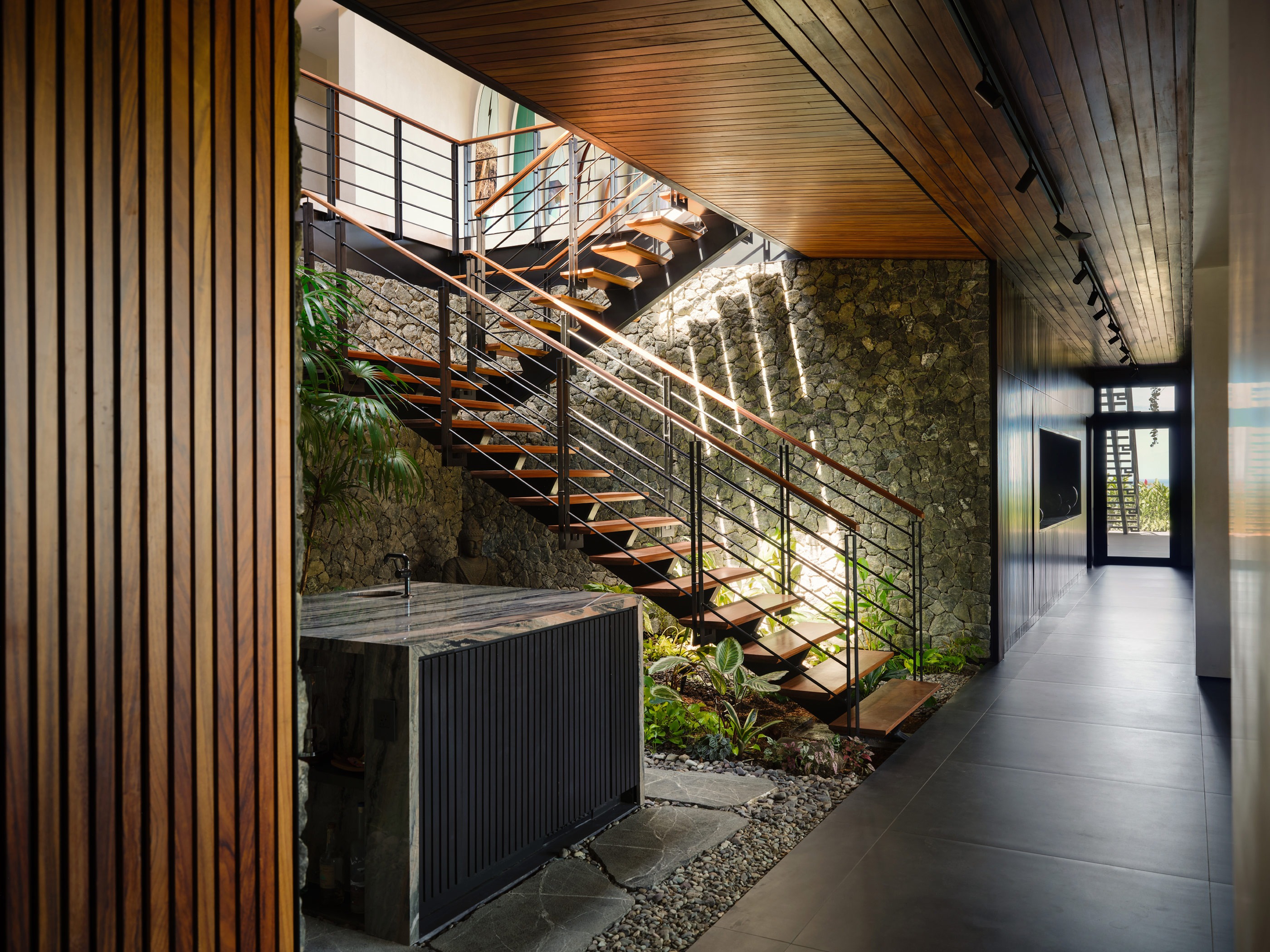
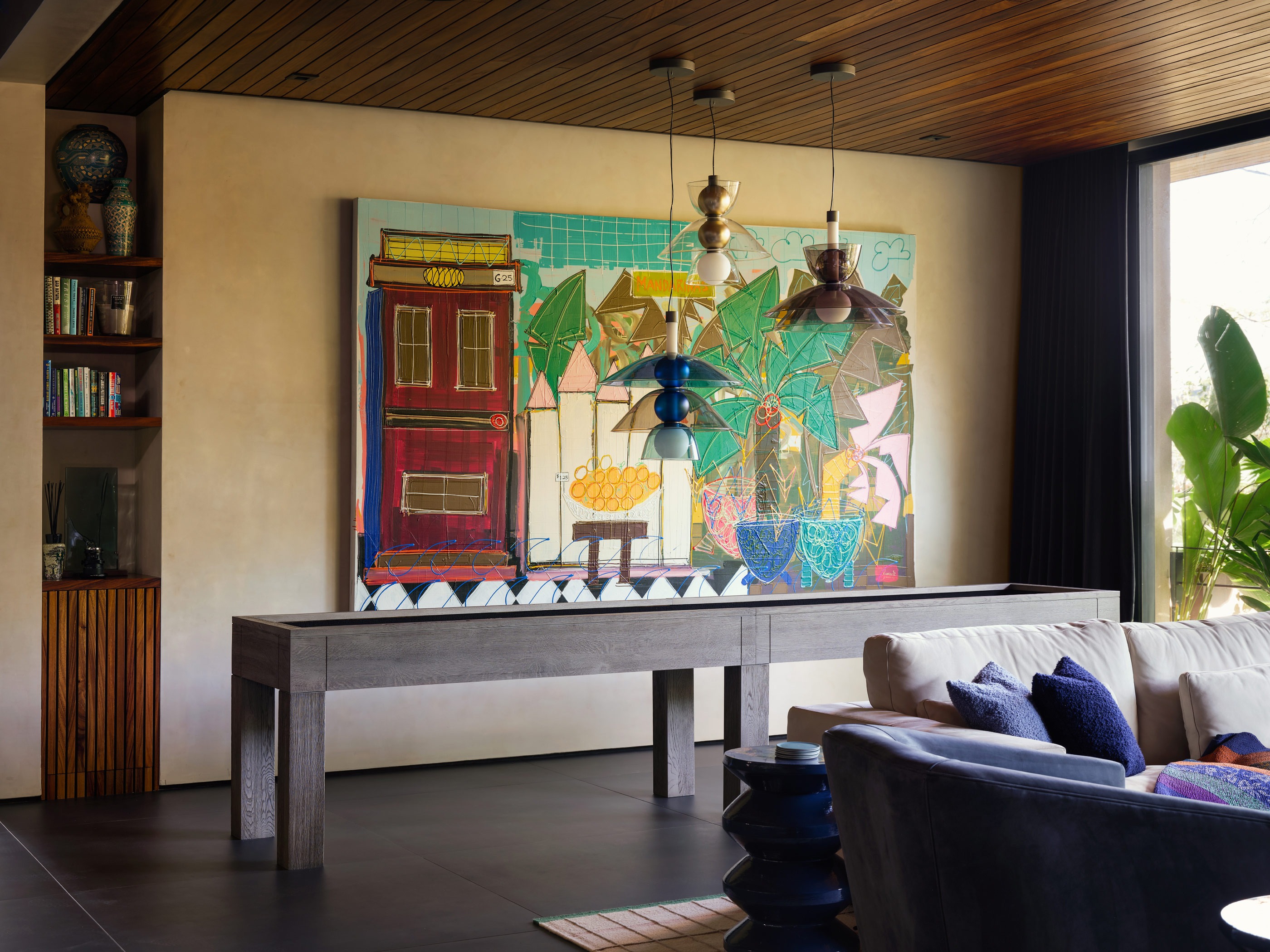
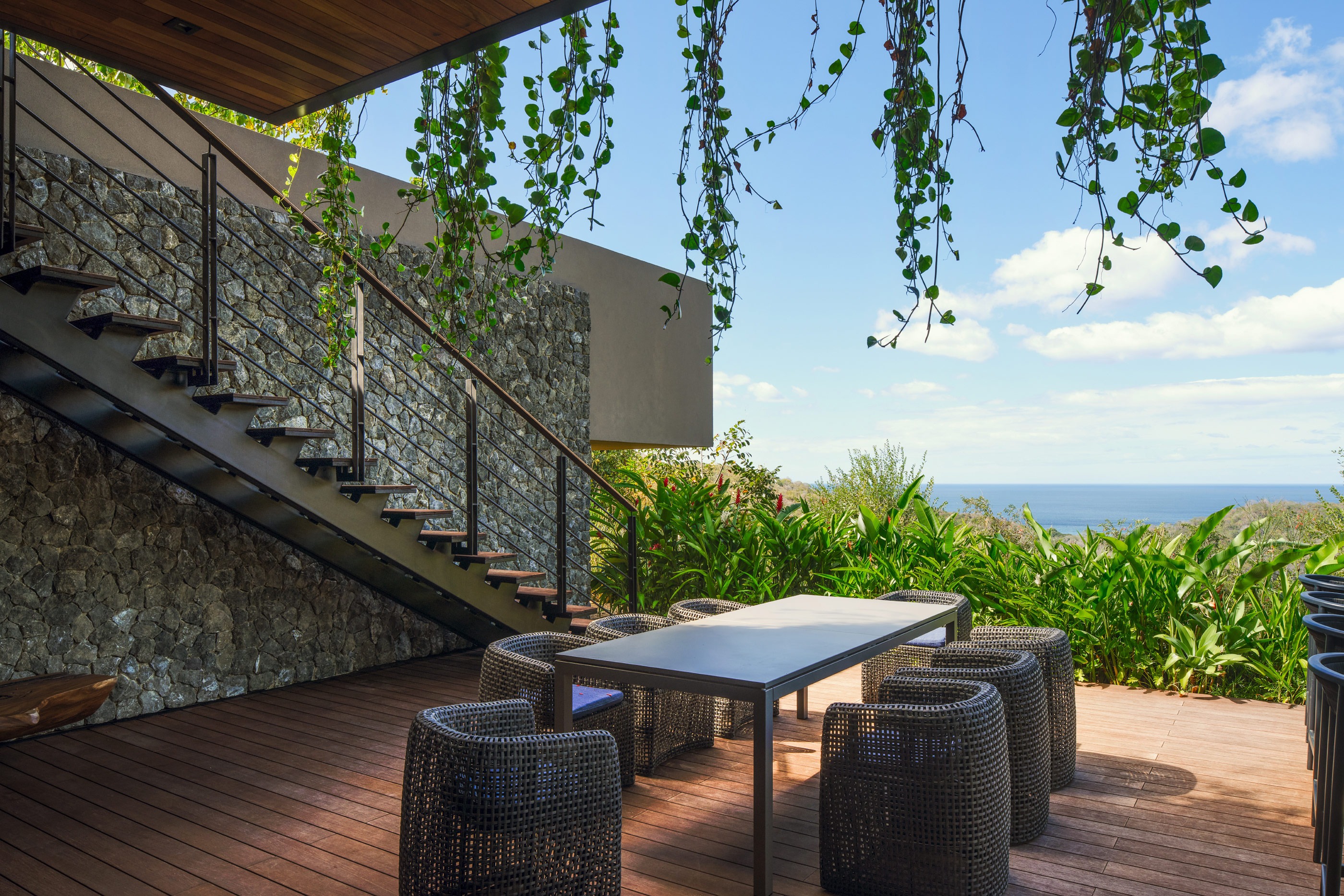
Materiality is rooted in the local context. Stone anchors the project to the ground, while wood introduces warmth and tactility. These are complemented by precise technical solutions that support the performance of the house. The clay roof plays a central role, both environmentally and experientially. It mitigates heat while forming a new topographical surface that becomes visible as one descends into the property.
| Sustainability
The project relies on passive strategies to create comfort. Cross ventilation allows air to move naturally through the spaces, while deep overhangs protect from direct sun exposure. The use of clay and insulated materials helps regulate temperature, reducing the need for mechanical systems.
Local materials reduce the environmental footprint and reinforce the connection to place. At the same time, integrated technologies support energy generation and efficient resource use.
By embedding the house into the terrain, the architecture benefits from the natural thermal mass of the earth, creating a more stable interior environment while minimizing its visual impact on the landscape.
| Construction
The site presented a complex topography, sloping in multiple directions. To address this, a series of retaining walls were introduced to shape the ground and create stable platforms. These walls are clad in local stone, giving the project a strong and grounded base.
Above this foundation, a lightweight steel structure allows the architecture to extend more freely across the site. This contrast between the heaviness of the base and the lightness above reinforces the idea of the house being both anchored and floating within the landscape.
The bridge that connects the two volumes becomes a defining element of the project. It allows movement across the terrain while elevating the experience of the user. Walking across it is not only a way of getting from one place to another, but a moment to pause, observe, and engage with the natural world.